


National Author’s Day: Celebrating the Voices Behind the Words and the Power of Storytelling

National Author’s Day celebrates the creative minds behind the books, stories, and written works that shape our thoughts, entertain us, teach us, and reflect our humanity. On this day, we pause to appreciate authors those who take pen to paper (or fingers to keyboard) and craft worlds, ideas, characters, and knowledge for us to explore. In a world full of screens, streaming and sound-bites, remembering the power of the written word is more important than ever.
Thank you for reading this post, don't forget to subscribe!In this blog, we will explore what National Author’s Day is, its origins, why it matters (especially to readers and cultures such as ours in Assam/India), how we can observe it, and what it means for aspiring writers and lifelong readers alike.
What is National Author’s Day?
National Author’s Day is observed annually on November 1. It is a day dedicated to honouring the authors who have contributed to literature, knowledge, and culture through their writing.
On this day, readers, writers, publishers and literary-communities are invited to recognise the role of authors: the work behind the scenes (drafting, editing, publishing), their creative leaps, the perseverance through rejection, and the joy of seeing their words reach readers. For many readers, the authors are unseen heroes who make our reading lives richer.
The History of National Author’s Day
Understanding the origins of National Author’s Day helps us appreciate how such a celebration came about.

- The idea started in 1928, when educator and avid reader Nellie Verne Burt McPherson, president of a local women’s club in Illinois, proposed a day to recognise American authors. While recovering in hospital during World War I, she wrote a fan letter to author Irving Bacheller for his work Eben Holden’s Last Day A-Fishing. When Bacheller sent her a signed copy of another of his works in response, McPherson was inspired to found a holiday recognising authors.
- In May 1929, the General Federation of Women’s Clubs endorsed a resolution to observe “American Authors” on that day.
- Later, in 1949, the United States Department of Commerce formally acknowledged National Author’s Day.
- Over time, while the day originated in the United States, the concept has inspired readers and writers globally.
So when you next mark November 1 as National Author’s Day, you are part of a tradition of literary appreciation that spans nearly a century.
Why National Author’s Day Matters
Celebrating Creativity and Culture
Authors are creators of culture: they capture time, place, memory, identity, imagination. On National Author’s Day, we recognise that they do more than write they shape perspectives, spark conversations, and preserve stories. As one source says, “Books have a mind of their own… those stories may take years to reach a publisher and just as long to reach a bookshelf.”
For readers in Assam, India, and globally, celebrating authors means acknowledging voices that reflect our landscapes, languages, tribes, communities and histories. Literature carries the power to preserve intangible culture and memory something very relevant for our region with its rich tribal literatures and oral traditions.
Encouraging Reading and Writing
National Author’s Day also fosters two important habits:
- Reading: By focusing on authors, the day helps shine a light on books and reading as valuable, enriching activities not just as leisure, but as a tool to grow, to understand, to empathize.
- Writing: It also encourages aspiring writers to take the leap, to begin writing, to dream of becoming authors themselves. Many writers note that when they were readers first, such a spark of inspiration came from reading a book that changed them (see reflections in some writing-blogs).
Paying Gratitude
The day is an opportunity for readers to show gratitude to the authors whose words changed their lives, opened doors of imagination, clarified truths, or simply offered comfort. Simple acts like telling an author “thank you,” writing a review, or purchasing their book are meaningful gestures.
Supporting Authors Professionally
Writing and publishing is often precarious: long hours, many revisions, uncertain rewards. Celebrating National Author’s Day brings attention to the labour behind the book, and can support the ecosystem authors, publishers, booksellers, libraries. On this day, when you buy a book, recommend it, or share an author’s work, you support the literary economy.
How to Observe National Author’s Day
How you mark National Author’s Day can vary from simple to elaborate. Here are several ideas you can adapt for your context (in Assam/India or globally).
- Read a book by your favourite author
On November 1, pick one of your favourite writers and dive into their work. Or choose an author whose work you haven’t tried before. Use the day to explore. Resources say: “Visit your local bookstore and buy a book! Support your favourite authors by buying some of their works.” - Send a note or message to an author
Whether via social media, email (if available), or a short letter, tell an author what their writing has meant to you. The origin story emphasises this: McPherson’s letter prompted the holiday. - Write your own piece
Even if you’ve never thought of yourself as an “author”, use the day to write a short story, a poem, a blog post or journal entry. The act of writing increases empathy for authors and may unlock your own creative voice. Many advice-pieces suggest this. - Host or attend a reading/discussion event
Libraries, bookstores, community centres (including in India/Assam) can host small gatherings: book readings, panels with local authors, open-mic sessions for aspiring writers, reading circles of favourite author works. Online webinars are also possible. - Support local authors and independent publishing
In the context of Assam and India, this could mean buying books by indigenous writers, regional language authors, or self-published authors. Share their work on social media with hashtags such as #NationalAuthorsDay. - Share your favourite author on social media
Post a quote from your favourite author, share a book cover, tag them (if you can), use the hashtag #NationalAuthorsDay. One suggestion: “Tweet at your favourite author today.” - Start or continue a reading-challenge
Use National Author’s Day as a launching point: commit to reading 12 books by 12 different authors in the coming year, especially exploring voices you haven’t heard. Use this day as a pledge moment.
Significance for India, Assam and Regional Literary Cultures
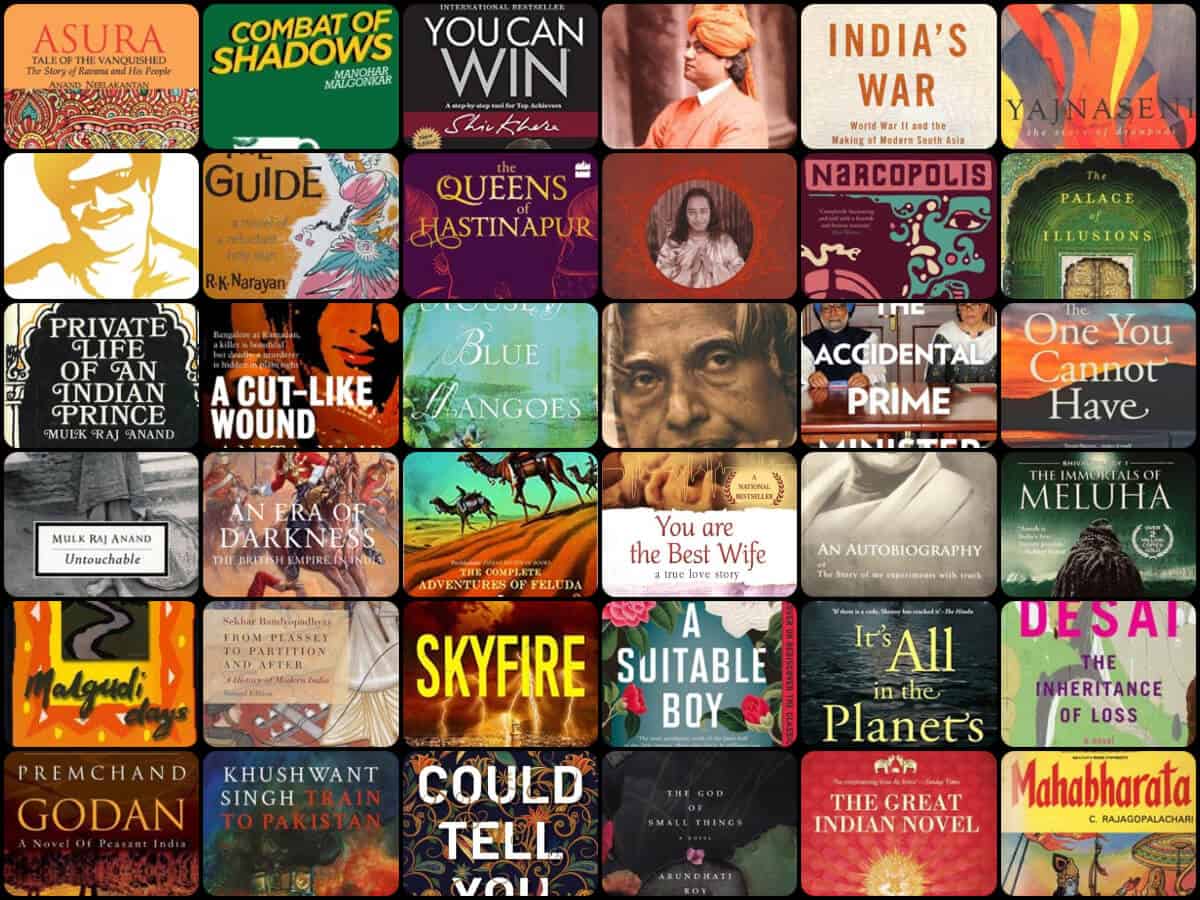
While National Author’s Day originates in the U.S., its purpose resonates in India and Assam, for several reasons:
- Diverse literary traditions: Assam and the Northeast have rich literary traditions tribal oral literatures, regional languages (Assamese, Bodo, Karbi, Deori, Dimasa, etc), modern Indian language literatures and translation movements. On this day, highlighting authors from these traditions helps raise their profile and preserves cultural heritage.
- Encouraging regional languages: Many authors write in regional languages or about regional cultures. Celebrating them encourages readers to explore beyond mainstream English-language works. It fosters multilingual awareness and gives value to culturally rooted literature.
- Inspiration for aspiring writers: Young students, budding writers in Assam may feel distance from publishing networks centred in metro cities. National Author’s Day can be used in schools, colleges, literary clubs to kick off writing workshops, author-visits, mentorship programmes and to spark interest in writing.
- Building reading culture: India has a huge youth population and many literacy/reading challenges (especially in under-served areas). Using this day as an annual focal point, libraries, schools, NGOs can organise read-athons, author-talks, book-drives. In Assam, outreach to remote areas, tribal communities, can integrate local authors to make literature relevant culturally.
- Encouraging translation and cross-cultural reading: Authors who write in Assamese, Bodo, Karbi, etc may not always reach wider audiences. A national/international awareness day supports translation efforts, cross-publishing and collaboration across languages.
Challenges & Reflections
While celebrating is important, National Author’s Day also invites reflection on challenges in the world of authorship and reading:
- Access and affordability: Many readers (especially in rural or remote areas) still face limited access to books, libraries or even basic reading infrastructure. Celebrating authors should mean advocating for greater access to literature.
- Language barriers: In multilingual contexts like India, language can be a barrier. Authors in less-used languages may lack visibility, translation support or publishing resources.
- Publishing inequities: The publishing industry still has gate-keeping, economic challenges, especially for first-time authors, regional-language authors, authors from marginalised communities. A day to celebrate authors should also be a day to acknowledge those voices and support mechanisms that amplify them.
- Reading culture decline: With the rise of digital distractions, reading for pleasure has declined in many contexts. The day gives an opportunity to reaffirm reading, but sustained effort is required.
- Author wellness: Authors often face isolation, financial uncertainty, and creative fatigue. The holiday’s origin emphasised cheering the “sometimes lonely business of being a writer.”
Spotlight: Author Journeys and Inspirations

On this day we can reflect on the journeys of authors their struggles, breakthroughs and draw inspiration from them.
- Many authors do not succeed overnight. For instance, while not specifically from the Assam region, authors globally often face rejections, multiple drafts, years of work. Recognising this journey helps readers empathise with the work behind the book.
- For example, in a blog about celebrating National Author’s Day, one author reflected: “I write for the kid I was… the only way to cope is to retreat into a story.”
This shows how writing can be personal, healing, and shaped by identity. - Reading such accounts motivates aspiring writers especially in our region to begin writing local stories: of our tribes (Karbi, Bodo-Kachari, Deori, Dimasa), our landscapes, our languages, our lives.
How to Make National Author’s Day Meaningful in Your Context
Here are some suggestions tailored for readers, schools, community groups (especially in Assam/India), and aspiring writers:
- For schools & colleges: Organise “Author Day” events on Nov 1 where local authors (regional-language or from nearby) visit, do readings, talk about their creative process. Have students write thank you notes to their favourite authors.
- For libraries & bookstores: Display a “Meet the Author” wall, showcase regional author works, run a book-exchange or “read a little every day” challenge starting Nov 1. Discount or promote works by local authors.
- For readers: Choose a regional author you haven’t read and explore their work. Write a review on social media/blog. Use hashtag #NationalAuthorsDay to connect globally. Make it a series: “12 books by 12 authors” in the next year.
- For aspiring writers: Sit down on Nov 1 with pen/paper/computer and draft the idea you’ve postponed. Write a short story or begin a blog. Share your progress in local writing groups. Use this day as the launch of your writing habit.
- For communities: Host a reading circle in local language, invite tribal authors to share stories, connect authors with younger readers, set up book-donation drives to underserved schools.
Case Study: From Local to Global – Why It Matters
Let’s imagine a reader in Jorhat, Assam: She picks up a book by an Assamese author she has never heard of, thanks to National Author’s Day promotions at her college library. She writes a short note of appreciation and shares it on social media with the hashtag #NationalAuthorsDay. A friend sees it, asks for a copy, the friend finishes it and passes it to someone else. That chain helps build word-of-mouth, supports the author, and strengthens reading culture.
At the same time, an aspiring writer in a remote village picks up a pen on Nov 1, writes a short story in his mother-tongue, enters it in a local contest. A mentoring program links him with a regional literary organisation. Over time he grows into a published author, telling stories of his community to a wider world. The spark on National Author’s Day played a part.
The Power of the Written Word – Why Authors Matter
Authors matter because:
- They give voice: Whether through fiction or non-fiction, language or literature, authors articulate perspectives that may not have been heard.
- They connect us to time and place: A book can transport us into another era, culture, mind-set. The writer does the heavy lifting of world-building, research, characterisation, craft.
- They challenge, question, educate: Good authors don’t just entertain they provoke thought, challenge norms, shed light on hidden corners of society.
- They preserve memory: Especially important in tribal, indigenous and regional contexts, authors (especially regional-language authors) preserve history, identity, culture, oral traditions in written form.
- They build imagination: In a fast-changing digital world, authors still remind us of the value of sustained focus, reading, introspection. They expand our imagination, empathy, humanity.
When you consider all of this, National Author’s Day becomes more than just a fun observance it is a tribute to those who carry the torch of human expression, across time, place and language.
Reflections: What National Author’s Day Can Do For You

On a personal level, how can you make this day matter for yourself?
- Ask yourself: Who is the author whose writing changed me? Write a note of gratitude even if only in your journal.
- Ask: Which author have I never read but should? Pick one and start their book today.
- If you are a writer (or want to be): What piece of writing have I waited to begin? Let this day be your launch.
- If you are part of a community (school, club, library): How can I turn this day into action? Even a small event, a book-sharing circle, can have ripple effects.
FAQ about National Author’s Day
Here are some commonly asked questions and their answers:
Q: When is National Author’s Day?
A: Every year on November 1.
Q: Do I have to be a published writer to be considered an “author”?
A: The definition is broad: if you have created original written work (poem, story, article) you may consider yourself an author. Some sources say yes.
Q: What are some good ways to celebrate?
A: Reading favourite authors, buying books, writing to authors, writing your own piece, hosting discussions. See many ideas above.
Q: Is National Author’s Day only for American authors?
A: While its origins are American, the purpose is universal: to honour authors everywhere. You can apply the spirit in your country/region too.
Q: What is the hashtag for this day?
A: #NationalAuthorsDay is commonly used.
Looking Forward: How National Author’s Day Can Grow
To maximise the impact of National Author’s Day (especially in non-US contexts), consider these ideas:
- Localizing the celebration: Encourage publishers, libraries and schools in India/Assam to adopt the day for regional authors, local events.
- Translation and global sharing: Use the day to promote translated works (regional authors in translation) so that voices travel across languages and geographies.
- Digital engagement: Use social media campaigns, virtual meet-the-author sessions, webinars with writers. For remote regions, make use of mobile libraries, audio books.
- Inclusive participation: Ensure authors from marginalised communities, indigenous tribes, under-represented languages are included. Celebrate their work and make it visible.
- Year-round momentum: While November 1 is the focal point, reading and writing must be sustained. Use the day as a launchpad for year-long reading challenges, author pipelines, writing mentorship.
Concluding Thoughts
National Author’s Day is more than just a date on the calendar it is a celebration of imagination, perseverance, culture, and connection. On 1 November each year, we pause to say: thank you to the authors who gave us characters we loved, ideas that changed us, stories that stayed with us. We also invite the next generation of writers to pick up the pen and add their voice to the conversation.
For readers in Assam, India, the day offers a unique opportunity: to explore our rich regional literatures, to support local authors, to build bridges between tribal/oral traditions and written forms, and to remind ourselves that every “story” matters. An author from a small village, a young writer scripting in a local language, has the power to widen our worldview.
So this National Author’s Day, pick up a book, write a note, start your story, share your favourite author. Celebrate the magic of writing. Honour the authors who gave us worlds. And maybe, consider how you might become an author yourself.