FGM Under POCSO Act: Supreme Court Examines Constitutional Validity

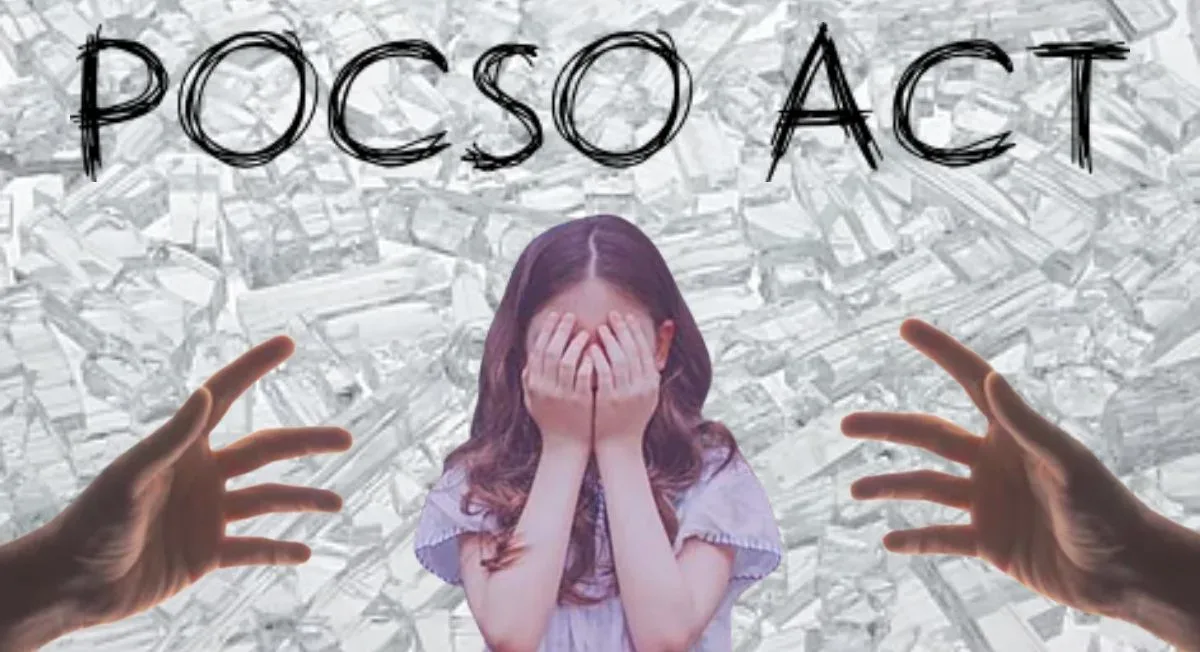
FGM Under POCSO Act has become a major legal issue as the Supreme Court of India examines whether Female Genital Mutilation violates child protection laws and constitutional rights. The nine-judge Constitution Bench is hearing a Public Interest Litigation related to the practice associated with sections of the Dawoodi Bohra community. The case has raised important questions about child safety, health, dignity, and religious freedom in India.
Thank you for reading this post, don't forget to subscribe!What is Female Genital Mutilation?
Female Genital Mutilation, commonly known as FGM, refers to the partial or complete removal or injury of female external genital organs for non-medical reasons. The practice is associated with certain communities, including sections of the Dawoodi Bohra community in India.
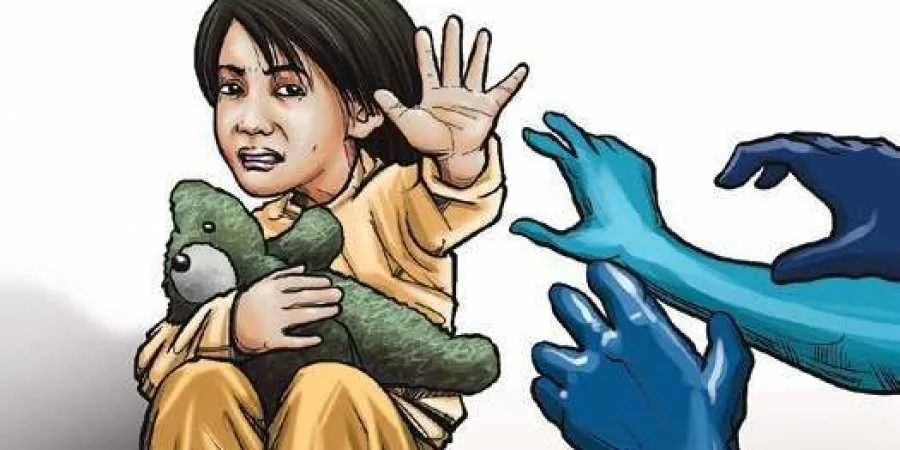
Health experts and activists have stated that FGM can cause serious physical and mental harm to young girls. The Supreme Court has also observed that the practice may lead to irreversible trauma and affect dignity, health, and bodily integrity.
FGM Under POCSO Act in India
The legal debate around FGM Under POCSO Act became important after earlier Supreme Court hearings in 2018. At that time, a three-judge bench observed that the practice appeared to fall within offences under the Protection of Children from Sexual Offences (POCSO) Act, 2012.
The POCSO Act protects children below 18 years from sexual offences and abuse. Section 3 of the Act defines penetrative sexual assault against a child. The Court is examining whether FGM performed on minor girls can be treated as an offence under these provisions.
India currently does not have a separate law that directly bans FGM. However, the practice may still be examined under sections of the Indian Penal Code related to causing hurt and bodily injury.
Supreme Court Bench and Constitutional Questions
The present hearings started on 7 April 2026 before a Constitution Bench led by Chief Justice Surya Kant. During the proceedings, Justice Joymalya Bagchi observed that restrictions on FGM could be justified on health grounds under Article 25 of the Constitution.
Article 25 gives citizens the freedom to practise and propagate religion, but it is subject to public order, morality, and health. The Court is also examining whether FGM qualifies as an essential religious practice.
The Bench has clearly distinguished FGM from male circumcision by discussing its impact on the physical, emotional, reproductive, and sexual health of girls.
Legal and Social Debate Around FGM
The issue has created debate between religious freedom and child rights. Activists supporting a ban argue that the practice violates the dignity and safety of minor girls. They also point out that the lack of official data has made it difficult to record cases properly.
The Union government had earlier informed the Court that there was no confirmed official data regarding FGM practices in India. Experts believe the absence of a separate legal category is one reason behind limited reporting.
As the hearings continue, the Supreme Court’s final decision on FGM Under POCSO Act could become a major step in defining the balance between constitutional rights, public health, and child protection laws in India.