



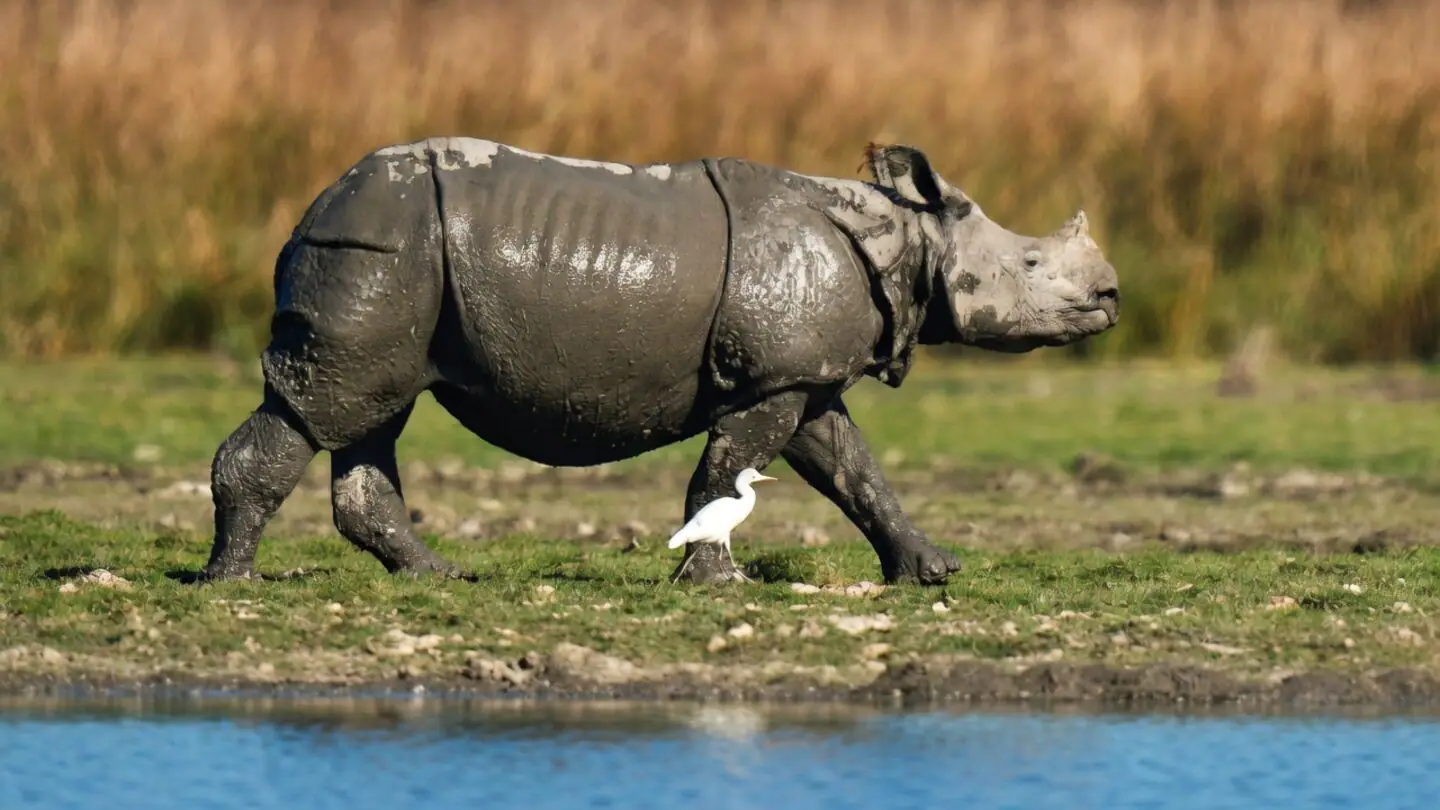
Rhino Population: Assam Records 3,260

Rhino Population in Assam has reached 3,260 greater one-horned rhinoceroses, with the state now holding nearly 80% of the estimated global population of the species. Assam Chief Minister Himanta Biswa Sarma shared the latest figure on September 15, 2026, citing the latest survey. The global population of the greater one-horned rhinoceros has reached around 4,075, making Assam the most important stronghold for the species.
Thank you for reading this post, don't forget to subscribe!Global Rhino Population Crosses 4,000
The latest Rhino Population figures show a major change in the status of the greater one-horned rhinoceros. The global population has reached about 4,075, compared with fewer than 100 animals believed to have survived in the wild in the early 1900s. India has around 3,323 rhinos, while Nepal has approximately 752.
The greater one-horned rhinoceros is scientifically known as Rhinoceros unicornis. It is native to the Indian subcontinent and is currently listed as Vulnerable on the IUCN Red List. Its main habitats include riverine grasslands, wetlands and forests in parts of India and Nepal.
Assam Holds Nearly 80% of the Species
Assam’s 3,260 rhinos account for nearly 80% of the estimated global population. The Brahmaputra Valley provides important grassland and wetland habitats for the species, making the state central to its long-term survival.
The latest numbers also underline the importance of protected areas in Assam. Forest protection, anti-poaching operations, habitat management and monitoring have helped create safer conditions for rhinos over several decades.
Forest and Climate Change Minister Jayanta Malla Baruah described the latest population figure as both a major achievement and a responsibility for the state. Conservation authorities now face the task of protecting the growing population while ensuring that suitable habitat remains available.
Kaziranga Remains the Main Rhino Stronghold
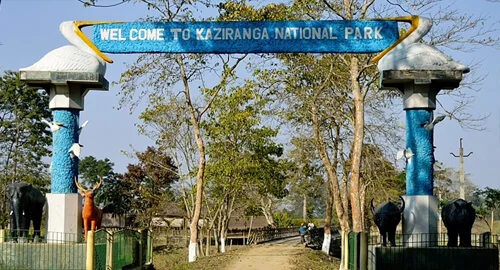
Kaziranga National Park remains the largest concentration of greater one-horned rhinoceroses in the world. More than 2,600 rhinos are estimated to live inside the park, making it the most important protected area for the species.
Kaziranga’s floodplain landscape contains extensive grasslands, wetlands and water bodies that provide suitable habitat for rhinos. Seasonal flooding is also an important part of the park’s ecosystem, although extreme floods can create risks for wildlife and require careful management.
The concentration of such a large share of the global population in one landscape also means that habitat protection in Assam has an impact far beyond the state.
Manas Supports a Smaller Rhino Population
Manas National Park is another important rhino habitat in Assam. The park currently has an estimated 40 to 50 greater one-horned rhinoceroses, according to recent assessments.
Manas has played an important role in efforts to expand the distribution of rhinos beyond Kaziranga. The Assam government’s Indian Rhino Vision 2020 programme included rhino translocation and monitoring work involving Manas.
The wider distribution of rhinos across protected areas can reduce dependence on a single habitat and support conservation planning across the Brahmaputra Valley.
Zero Known Rhino Poaching Cases in 2025
One of the most notable developments behind Assam’s latest Rhino Population figure is the state’s record on poaching. Assam reported zero known rhino-poaching cases in 2025. Officials said this was only the second such year since the 1970s, with 2022 being the other year with no known cases.
Anti-poaching patrols, intelligence gathering, forest protection teams and surveillance are important parts of rhino conservation in the state. Protection efforts are particularly important because the greater one-horned rhinoceros was historically heavily affected by hunting and habitat loss.
The fall in poaching pressure has helped create better conditions for population recovery, but officials and conservation groups continue to stress the need for long-term protection.
Habitat Protection Becomes the Next Challenge
The rise in the Rhino Population has also brought greater attention to habitat. As rhino numbers increase, conservation authorities need to maintain enough grassland, wetlands and forest areas to support the animals.
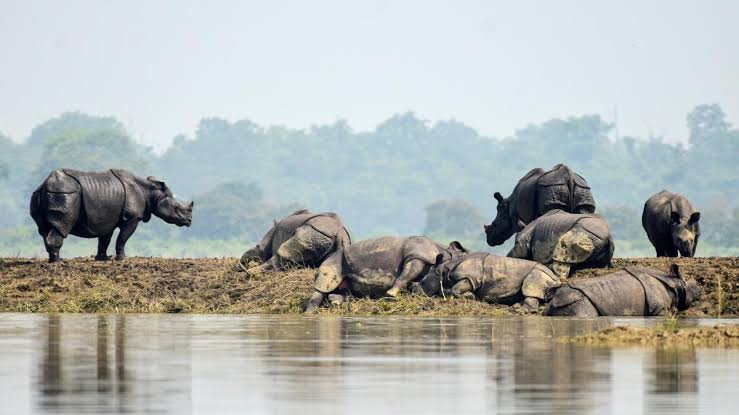
Floodplain habitats can change naturally because of erosion, flooding and the movement of rivers. Human activity around protected areas can also put pressure on available wildlife habitat.
Recent conservation discussions in Assam have therefore shifted beyond simply increasing rhino numbers. Maintaining habitat quality, improving connectivity between protected areas and reducing human-wildlife conflict are becoming increasingly important.
India and Nepal Hold the Global Population
The greater one-horned rhinoceros now survives mainly in India and Nepal. India has an estimated 3,323 animals, while Nepal has around 752, bringing the combined population to approximately 4,075.
Assam accounts for the largest share of India’s rhino population. The species’ recovery shows the importance of long-term wildlife protection, protected areas and consistent monitoring.
The latest figures also place greater responsibility on Assam because changes in its habitats can have a significant effect on the overall global Rhino Population. Continued protection of Kaziranga, Manas and other suitable habitats remains a major part of the state’s wildlife conservation efforts.