




India Germany Climate Partnership Strengthens Climate Adaptation Efforts

The India Germany Climate Partnership has received a major boost after both countries reaffirmed their commitment to climate adaptation and resilience during a high-level climate dialogue held in New Delhi. The discussions focused on strengthening ecosystem-based approaches and supporting India’s upcoming National Adaptation Plan (NAP), marking a significant step in bilateral environmental cooperation.
Thank you for reading this post, don't forget to subscribe!The climate talks brought together senior officials from both nations to deepen collaboration in tackling climate challenges. With climate change impacts becoming more visible across regions, the renewed partnership highlights the shared responsibility of India and Germany in promoting sustainable and resilient development.
High-Level Climate Dialogue in New Delhi
The meeting was attended by representatives from India’s Ministry of Environment, Forest and Climate Change and senior German officials, including Jochen Flasbarth, State Secretary at Germany’s Federal Ministry for the Environment. During the discussions, Germany announced a major financial commitment to support India’s adaptation goals.
Germany will provide up to EUR 20 million under its International Climate Initiative (IKI). The International Climate Initiative (IKI) is funded by the German government and supports climate and biodiversity projects worldwide. This new funding reflects Germany’s continued trust in India’s climate leadership and its efforts to protect vulnerable ecosystems.
The India Germany Climate Partnership is increasingly focusing not only on reducing emissions but also on strengthening resilience against climate risks. This shift shows how adaptation has become a key pillar of global climate action.
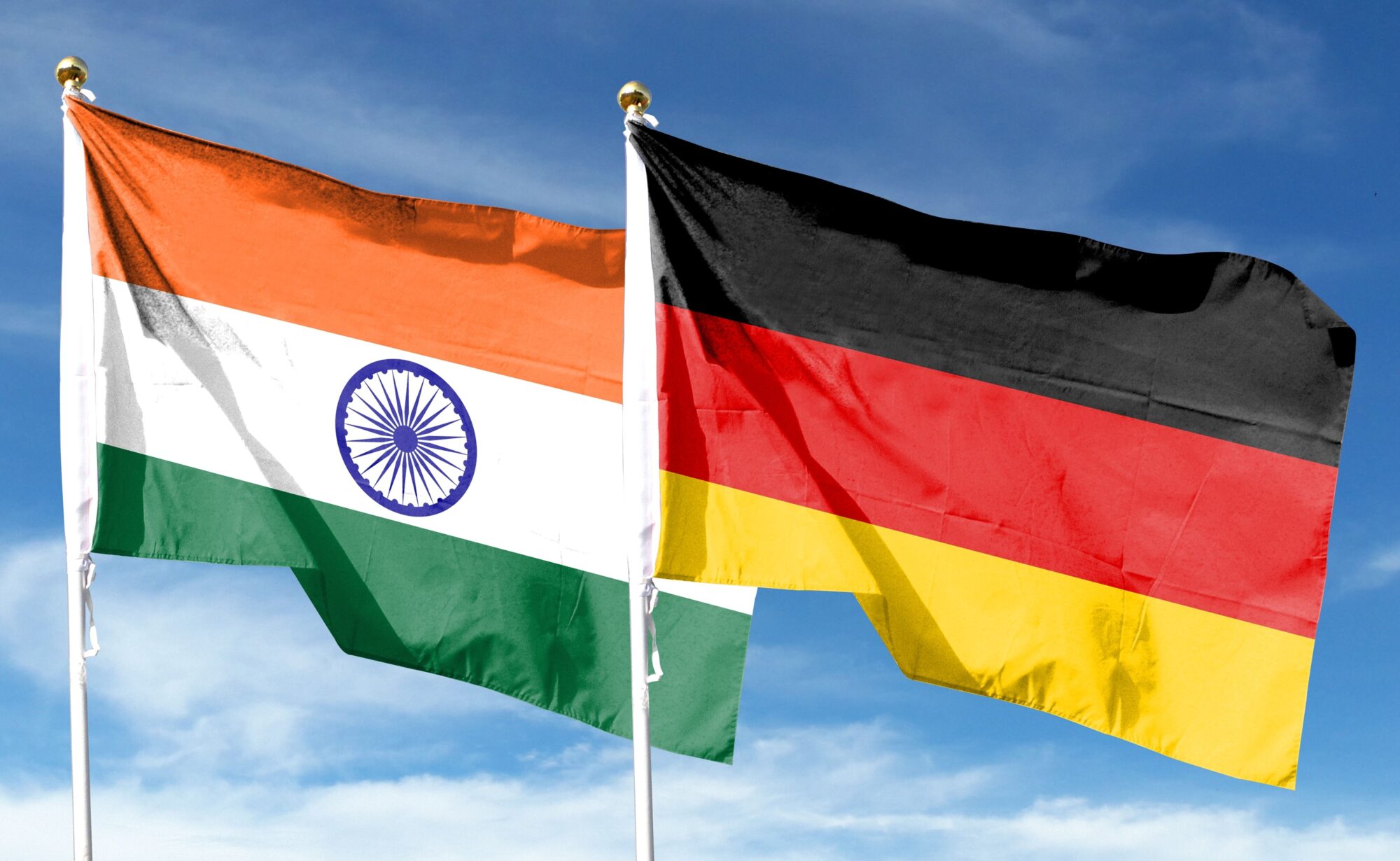
EUR 20 Million Grant to Support High-Risk Ecosystems
A major highlight of the partnership is the announcement of a Large Grant project worth up to EUR 20 million. The funding will be directed towards improving resilience in some of India’s most climate-sensitive regions.
The priority regions include:
- The Himalayas
- The Western Ghats
- India’s North-Eastern states
- Island territories
- The Lower Gangetic floodplains
These areas are highly vulnerable to climate change impacts such as floods, landslides, sea-level rise, and biodiversity loss. By targeting these regions, the India Germany Climate Partnership aims to protect both nature and communities that depend on these ecosystems.
The project will promote ecosystem-based adaptation methods. These include forest restoration, strengthening biodiversity corridors, flood and erosion control measures, groundwater recharge, and community-led natural resource management. Such nature-based solutions are considered cost-effective and sustainable in the long run.
Strengthening India’s National Adaptation Plan
India is currently finalising its National Adaptation Plan (NAP) under the Ministry of Environment, Forest and Climate Change. The NAP aims to provide a structured and comprehensive framework to integrate climate resilience into national and state-level planning processes.
Germany has expressed strong support for the effective implementation of India’s National Adaptation Plan. Under the India Germany Climate Partnership, efforts will be made to improve monitoring and evaluation systems linked to the NAP. This will ensure that adaptation measures are properly tracked and deliver measurable outcomes.
The partnership will also focus on enhancing forest ecosystems, promoting biodiversity conservation, and supporting nature-based climate solutions. These actions are expected to strengthen long-term environmental sustainability while protecting livelihoods.
Focus on Innovative Climate Financing
Another important aspect of the India Germany Climate Partnership is the exploration of innovative financing mechanisms. Climate adaptation requires large financial resources, and traditional funding alone may not be sufficient.
The partnership plans to explore blended finance models. Blended finance combines public funds with private investment to support climate projects. This approach can attract larger investments and reduce financial risks.
In addition, biodiversity credits and insurance-based risk solutions are being considered. Biodiversity credits allow investments in projects that protect or restore ecosystems, while insurance-based solutions can help communities manage climate-related risks such as floods or crop failure.
These financial innovations aim to ensure that adaptation projects are sustainable over the long term and do not depend only on government budgets.
Ecosystem-Based Adaptation at the Core
Ecosystem-Based Adaptation (EbA) is central to the India Germany Climate Partnership. EbA uses biodiversity and ecosystem services to help communities adapt to climate change. Instead of relying only on infrastructure like dams or walls, this approach strengthens natural systems to reduce climate risks.
For example, restoring forests can reduce landslides and improve water retention. Protecting wetlands can reduce flood impacts. Strengthening mangroves in coastal areas can protect against storm surges.
Officials at the dialogue stressed that ecosystem-based approaches provide multiple benefits. They reduce climate risks, improve livelihoods, conserve biodiversity, and support sustainable development. Regions such as the Himalayas and the Western Ghats are biodiversity hotspots, making conservation efforts even more important.
The partnership recognises that protecting these ecosystems is not only an environmental responsibility but also an economic necessity.

From Policy Commitments to Ground Action
Experts at the climate talks highlighted that climate adaptation strategies must move from policy discussions to real implementation on the ground. Budget allocations, local participation, and institutional coordination are necessary to make adaptation plans successful.
The India Germany Climate Partnership signals deeper bilateral cooperation that goes beyond policy announcements. It focuses on building climate resilience in vulnerable regions while aligning environmental protection with economic growth.
As climate impacts continue to increase globally, adaptation has become as important as mitigation. By strengthening cooperation, India and Germany are setting an example of how international partnerships can support sustainable development.
Through financial support, knowledge exchange, and innovative solutions, the India Germany Climate Partnership aims to create long-term climate resilience. The renewed commitment reflects a shared vision of protecting ecosystems, supporting communities, and ensuring a greener future.