Peru Frog Threat: Newly Discovered Species Faces Immediate Danger

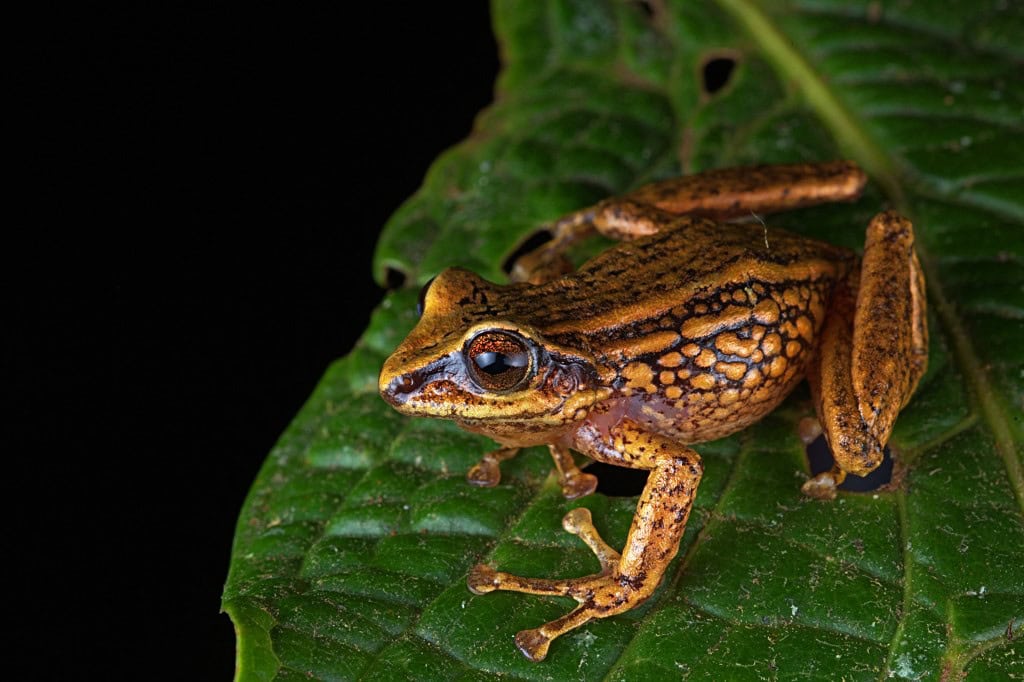
Scientists have recently uncovered a remarkable new species of frog in the cloud forests of northern Peru, raising serious concerns about the Peru Frog Threat. Named Oreobates shankusacha, this tiny amphibian is unique and at risk of extinction due to rapid habitat destruction. Experts warn that without immediate conservation efforts, this frog could disappear, highlighting urgent threats to biodiversity in fragile high-altitude ecosystems of South America.
Thank you for reading this post, don't forget to subscribe!Discovery in Peru’s Cloud Forests
The new frog was discovered in the San Martín region of Peru, a part of the country known for its dense and mist-covered cloud forests. The discovery was made by a collaborative team of Peruvian and French scientists, who worked closely with indigenous guides familiar with the local terrain.
The frog, Oreobates shankusacha, was first spotted on the forest floor amid leaf litter, moss, and ferns. Its discovery has been officially documented in the scientific journal Salamandra. The finding provides important insights into the hidden diversity of Peru’s cloud forests, which are home to many species found nowhere else in the world.
Unique Features of Oreobates shankusacha
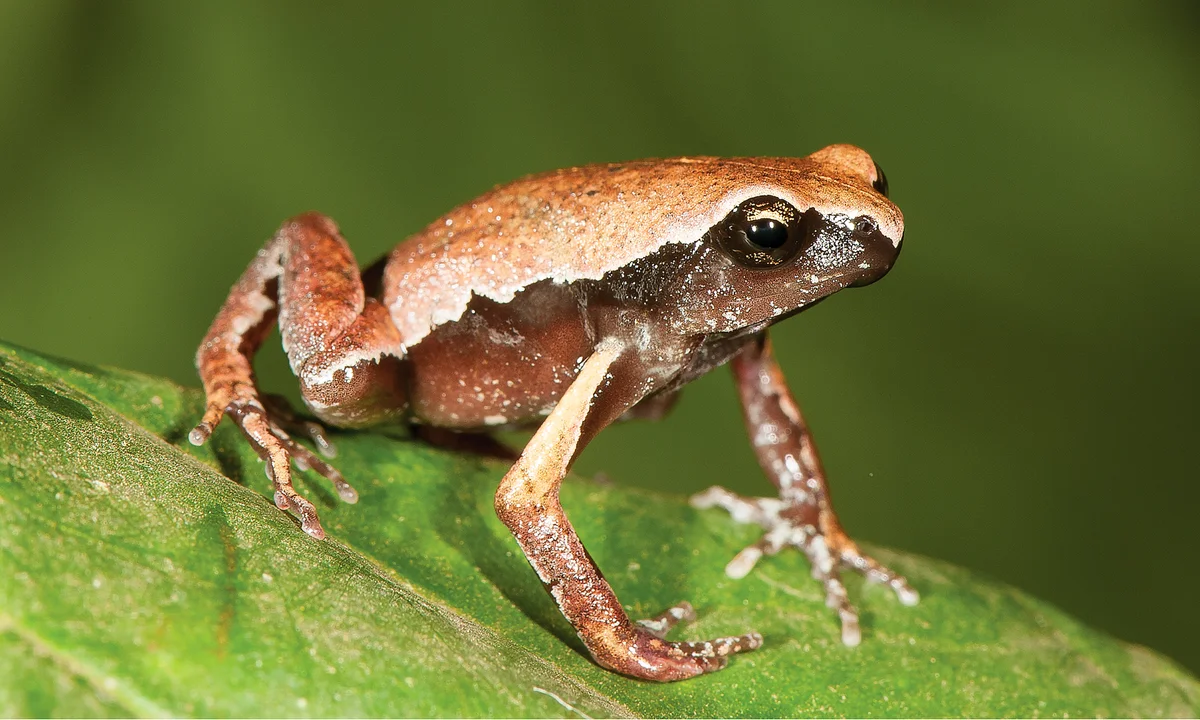
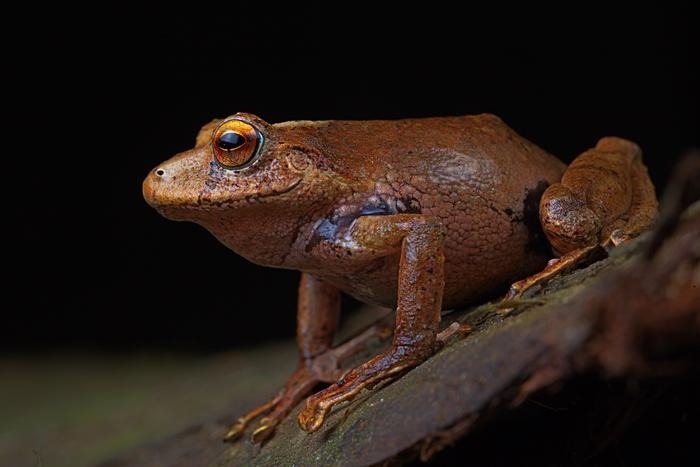
This newly discovered frog is small, measuring roughly one inch in length. Its dark brown body helps it blend into the forest floor, while its golden eyes make it distinct and easy to identify for researchers.
The species’ name has a special connection to local culture. “Shanku sacha” in the Kichwa-Lamista language means “heart of the forest,” paying tribute to the indigenous communities that have long lived in harmony with this ecosystem. By naming the frog in this way, scientists highlight both the ecological and cultural importance of the cloud forest region.
Habitat Range and Ecological Role
Oreobates shankusacha lives in cloud forests at elevations above 4,430 feet. These high-altitude forests are naturally fragmented across mountain ridges, creating isolated “islands” that support unique species adapted to very specific conditions.
The frog is nocturnal, meaning it is active during the night. It moves slowly across the forest floor, searching for insects and other small invertebrates to eat. Like many amphibians, it plays an essential role in controlling insect populations and maintaining the ecological balance of its habitat.
Importance of Amphibians in the Ecosystem
Amphibians such as Oreobates shankusacha are vital indicators of environmental health. Because they have permeable skin and are sensitive to changes in temperature, humidity, and pollution, their populations often reflect the state of their ecosystems. A decline in amphibian numbers can signal larger environmental problems affecting multiple species.
Cloud forests, where this frog lives, are particularly important for biodiversity. These high-altitude forests are rich in endemic species plants and animals found only in a small geographic area. The discovery of a new frog species highlights how much more remains to be studied and protected in these fragile ecosystems.
Rising Threats to the Peru Frog
Despite the excitement of this discovery, scientists have raised immediate concerns about the frog’s survival. The cloud forests in northern Peru are under intense pressure from human activity. Nearly 60 percent of the forest cover in the region has already been lost due to coffee farming, cattle grazing, and illegal logging.
The extremely limited range of Oreobates shankusacha makes it particularly vulnerable. Even small amounts of deforestation can fragment its habitat further, reducing its ability to find food and reproduce. Researchers have recommended that the species be classified as endangered immediately.
Urgency of Habitat Protection
Protecting the frog’s habitat is critical not only for the survival of this species but also for the many other plants and animals that depend on cloud forests. Conservation efforts in Peru must balance human development with ecological preservation. Local communities, scientists, and policymakers are being urged to work together to prevent further loss of these unique ecosystems.
Preserving cloud forests also has global significance. These forests store large amounts of carbon, regulate local water cycles, and support agriculture by maintaining soil and water quality. Protecting them benefits both biodiversity and human communities.
Cultural and Scientific Significance of the Peru Frog Threat
The discovery of Oreobates shankusacha demonstrates the important connection between indigenous knowledge and scientific research. Indigenous guides played a key role in locating the frog, showing how local traditions and understanding of the forest can aid modern science.
Naming the frog after the local language emphasizes the shared responsibility of humans to safeguard nature. It is a reminder that conservation is not just about protecting animals but also respecting and preserving cultural heritage.
Future Research and Conservation Efforts
Scientists plan to continue studying Oreobates shankusacha to learn more about its behavior, breeding habits, and ecological role. Such research is vital to design effective conservation strategies. Additionally, monitoring other cloud forest species may help prevent further biodiversity loss in the region.
This frog’s discovery is a wake-up call for environmentalists and governments worldwide. It underlines the urgent need for conservation measures to protect cloud forests and the unique life forms they harbor. Immediate action can ensure that future generations witness the rich biodiversity of Peru’s high-altitude forests.
Protecting Peru’s Natural Treasures
The new frog species is a symbol of hope and a warning. It shows that there is still much to discover in the world’s forests, but also that these ecosystems are fragile and vulnerable. By safeguarding cloud forests and their inhabitants, we not only protect individual species but also preserve the intricate web of life that sustains the planet.
The rediscovery of a new species like Oreobates shankusacha highlights the ongoing threats faced by wildlife in Peru. Urgent habitat protection, combined with awareness and community engagement, can prevent this “Peru frog threat” from becoming a tragic story of extinction.