



India-Greece Defence Pact: A New Chapter in Strategic and Industrial Cooperation

The India-Greece Defence Pact marks an important milestone in the growing relationship between two nations that share a long history of maritime traditions and strategic thinking. By signing a joint declaration of intent, India and Greece have signalled their commitment to work closely in defence manufacturing, military cooperation, and maritime security. This move reflects a shared understanding that modern security challenges require trusted partnerships and long-term planning rather than short-term arrangements.
Thank you for reading this post, don't forget to subscribe!India-Greece Defence Pact and the Joint Declaration
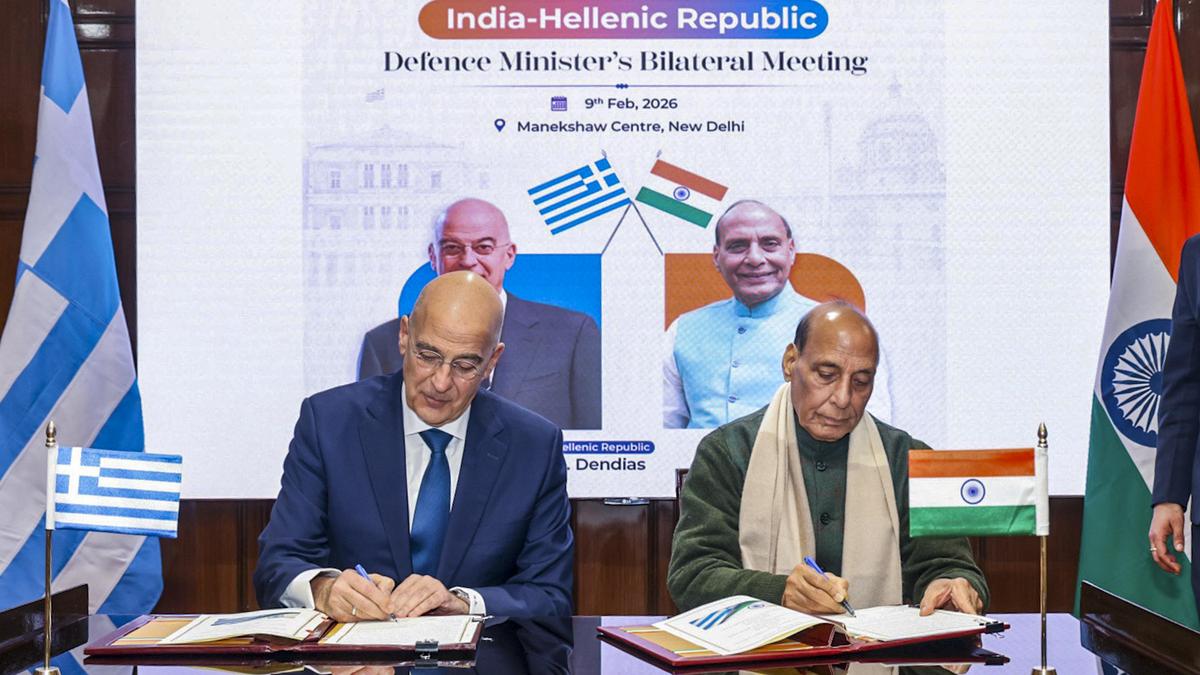
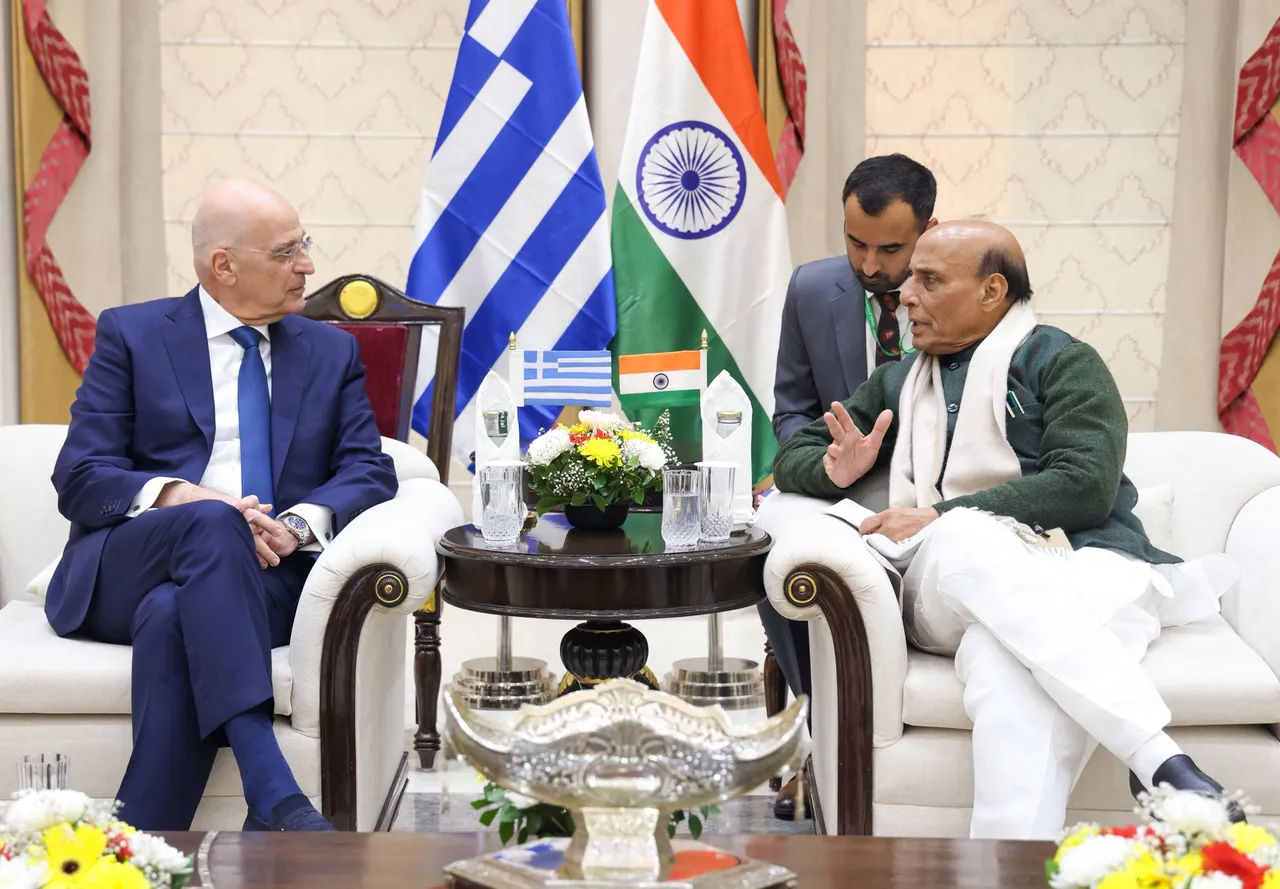
The foundation of the India-Greece Defence Pact was laid during high-level bilateral talks between India’s defence minister Rajnath Singh and Greece’s minister of national defence Nikolaos Georgios Dendias. The discussions took place at the Manekshaw Centre, a location symbolic of India’s military heritage.
The joint declaration of intent is not a binding treaty but a clear political commitment. It acts as a starting point for deeper engagement and sets the direction for cooperation in defence industrial activities. Both sides stressed that the aim is to create a sustained partnership, where industries, armed forces, and policymakers work together over time.
Five-Year Roadmap for Defence Industrial Growth
A key feature of the India-Greece Defence Pact is the proposal to develop a structured five-year roadmap. This roadmap will guide cooperation in areas such as defence manufacturing, technology sharing, and joint research. Instead of focusing on isolated projects, the two countries want to build systems that allow long-term collaboration.
This approach gives clarity to defence companies and investors. It helps industries plan ahead, invest in capacity building, and explore joint ventures with confidence. For India, this means greater opportunities for domestic firms to engage with European defence markets. For Greece, it opens doors to cost-effective manufacturing and access to India’s growing defence ecosystem.
Connecting Aatmanirbhar Bharat and Agenda 2030
Another major pillar of the India-Greece Defence Pact is the alignment of national defence strategies. India’s push for self-reliance under Aatmanirbhar Bharat matches well with Greece’s defence modernisation plans under Agenda 2030.
Aatmanirbhar Bharat focuses on reducing dependence on defence imports by strengthening domestic manufacturing, innovation, and design. Greece’s Agenda 2030 aims to modernise its armed forces and revive its defence industry to meet future security needs. By linking these two initiatives, both countries can benefit from shared expertise, joint production, and co-development of defence systems.
Industry-to-industry collaboration is expected to play a central role. Private companies, public sector units, and start-ups from both sides will be encouraged to work together, exchange knowledge, and explore new technologies.
Military Cooperation and Maritime Security
Beyond industrial cooperation, the India-Greece Defence Pact also strengthens military ties. During the visit, both sides exchanged a Bilateral Military Cooperation Plan for 2026. This plan outlines future military engagements, training exchanges, and joint activities between the armed forces.
Maritime security emerged as a major area of convergence. India and Greece are ancient seafaring nations with strong interests in protecting vital sea lanes. With global trade heavily dependent on maritime routes, ensuring safety and stability at sea has become more important than ever.
The two ministers highlighted the shared responsibility of maintaining open and secure oceans. This includes cooperation in naval exercises, information sharing, and coordinated responses to emerging maritime threats.
Role of Information Fusion and Regional Stability
As part of the India-Greece Defence Pact, India welcomed Greece’s decision to position an international liaison officer at the Information Fusion Centre – Indian Ocean Region. This centre plays a key role in enhancing maritime domain awareness by sharing real-time data on shipping and security developments.
Greece’s presence at the centre strengthens information exchange and trust. It also reflects Greece’s growing interest in the wider Indian Ocean region, which is central to global trade and energy flows. Such cooperation sends a strong signal about the importance both countries place on regional stability and collective security.
Defence Industry Engagements and Technology Exchange
The Greek delegation’s visit was not limited to official meetings. They also toured defence industrial facilities in Bengaluru, often referred to as India’s technology and aerospace hub. Interactions with Indian defence public sector units and start-ups provided insights into India’s manufacturing capabilities and innovation-driven approach.
These engagements are expected to lead to practical outcomes, such as joint production, technology transfer, and skill development. For Indian start-ups, collaboration with Greek firms offers access to European markets and standards. For Greece, partnerships with Indian companies provide scale, affordability, and a dynamic innovation environment.
Strategic Meaning of the India-Greece Defence Pact
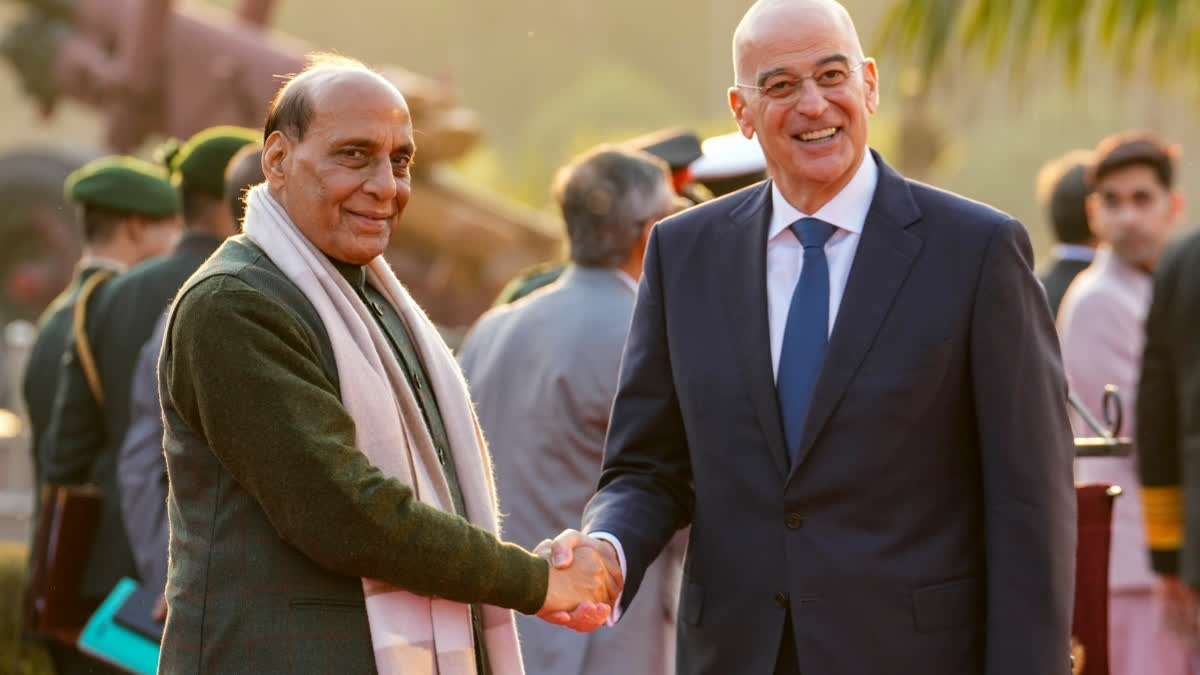
The India-Greece Defence Pact goes beyond defence contracts. It reflects shared values such as respect for international law, peaceful cooperation, and mutual trust. At a time of changing global security dynamics, partnerships like this help countries diversify their strategic options and build resilience.
By focusing on long-term cooperation, industrial growth, and maritime security, India and Greece have laid the groundwork for a deeper strategic relationship. The pact strengthens bilateral ties while also contributing to broader regional and global stability. As the roadmap takes shape in the coming years, the India-Greece defence partnership is expected to become a model of how nations from different regions can work together for shared security and development.