



SpaceX Crew-12 Returns to Earth

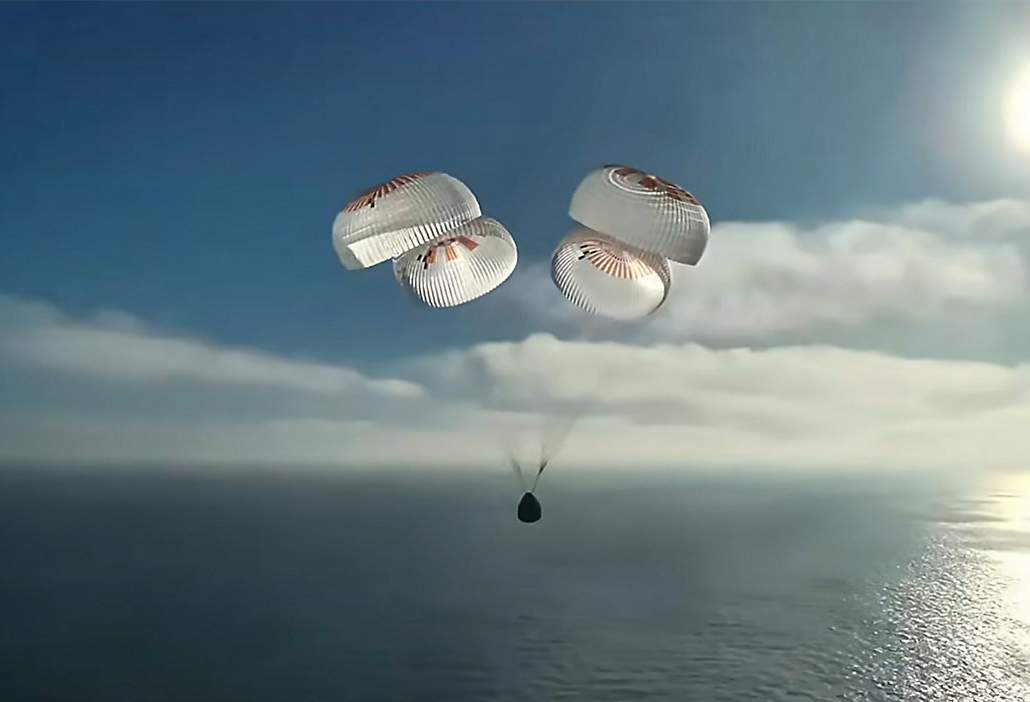
SpaceX Crew-12 returned to Earth on 8 October 2026 after spending 237 days aboard the International Space Station (ISS). The four-member crew travelled back in SpaceX’s Crew Dragon Freedom spacecraft, which splashed down in the Pacific Ocean off the coast of Los Angeles at 8:34 a.m. Pacific Daylight Time. During their mission, the astronauts completed more than 3,792 orbits of Earth and travelled over 100 million miles while conducting scientific research in space.
Meet the SpaceX Crew-12 Astronauts
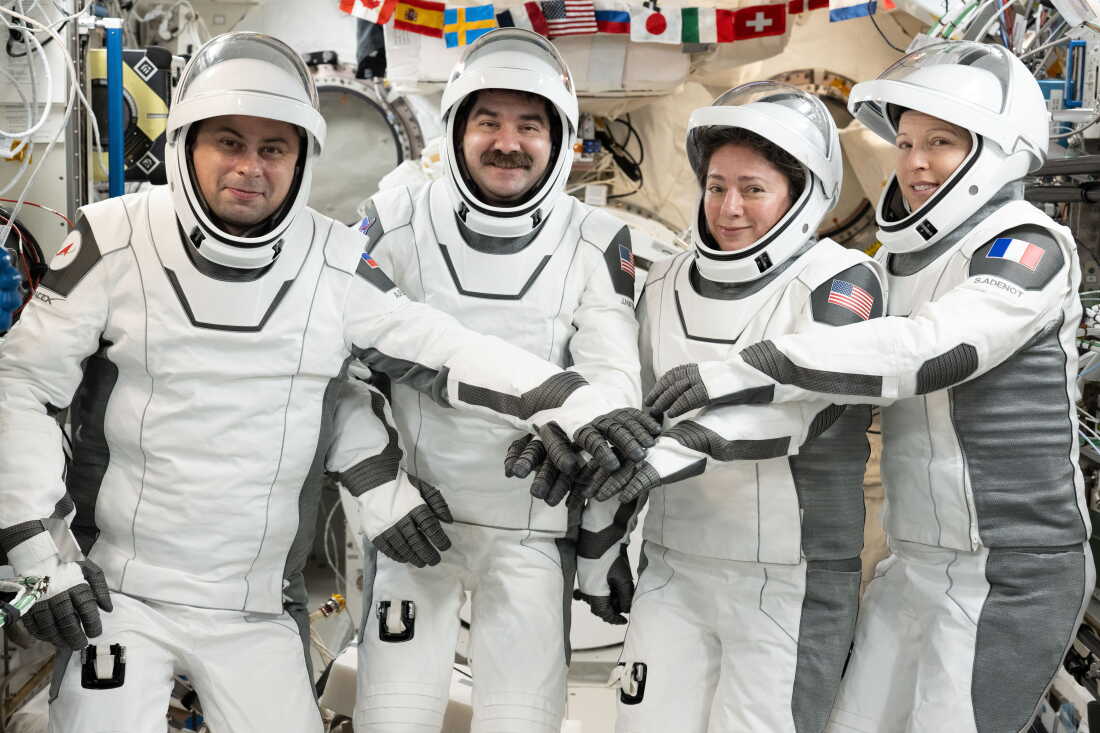
The Crew-12 mission included NASA astronauts Jessica Meir and Jack Hathaway, European Space Agency (ESA) astronaut Sophie Adenot, and Russian cosmonaut Andrey Fedyaev.

The spacecraft launched on 13 February 2026 and docked with the International Space Station the following day. Meir and Fedyaev had previous spaceflight experience, while Hathaway and Adenot completed their first missions in space.
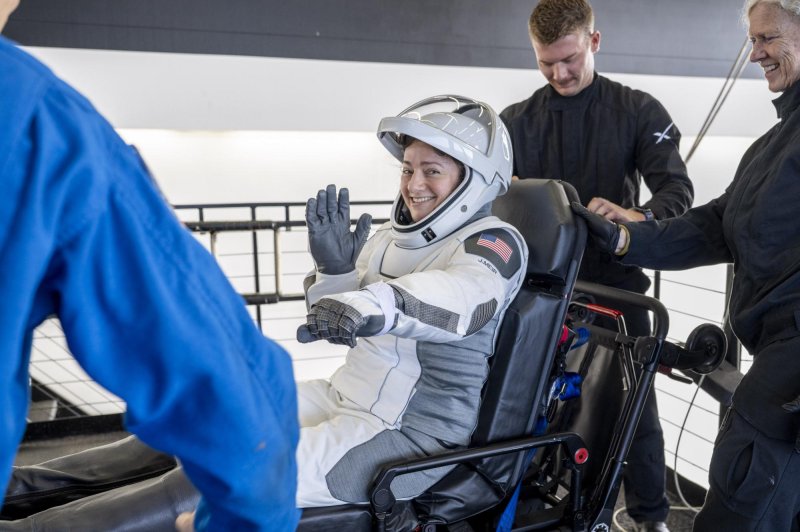
After the spacecraft splashed down, SpaceX recovery teams retrieved the capsule and assisted the astronauts. The crew underwent medical checks before returning to NASA’s Johnson Space Center in Houston, Texas.
The mission was part of ongoing international cooperation in human spaceflight. NASA, SpaceX, ESA and Roscosmos contributed to a programme that supports scientific research and prepares for future missions beyond Earth’s orbit.
Scientific Research Conducted on the ISS
During their 237-day stay, Crew-12 carried out experiments focused on human health, medicine and future space exploration. Research aboard the ISS allows scientists to study biological processes in microgravity, where the effects of gravity are very different from those experienced on Earth.
One investigation explored the production of stem cells in space. Stem cells can develop into different types of specialised cells, making them important for research into tissue repair and disease. Studying how they behave in microgravity could help scientists understand their growth and development.
Another project examined technology for producing intravenous (IV) fluids when needed. This type of technology could be useful on future long-duration missions, where astronauts may have limited access to medical supplies and resupply services.
The crew also supported research into how pneumonia-causing bacteria may contribute to heart damage. Other studies examined nutrition and changes in blood flow during spaceflight.
Why Microgravity Research Matters
Microgravity research helps scientists understand how the human body responds to long periods in space. Astronauts can experience changes in muscles, bones, circulation and other body systems during extended missions.
Research conducted on the ISS can support the development of medical methods and equipment for future crews. It may also provide useful information for healthcare research on Earth.
Producing medical supplies during a mission could become increasingly important as astronauts travel farther from Earth. Missions to the Moon and Mars will involve longer journeys, greater distances from emergency services and more limited opportunities to receive supplies.
Spacewalks During the Mission
A spacewalk, formally known as extravehicular activity (EVA), takes place when an astronaut works outside a spacecraft or space station while wearing a spacesuit.
Jessica Meir completed four spacewalks during Crew-12, bringing her career total to seven. According to the mission report, this placed her third among NASA women for total career spacewalks, behind Peggy Whitson and Suni Williams.
Sophie Adenot completed three spacewalks during the mission and became the first French woman to conduct a spacewalk outside the International Space Station.
Spacewalks are essential for station maintenance, equipment installation and scientific work. They require careful preparation because astronauts operate in a harsh environment without the protection provided by the spacecraft.
The International Space Station’s Role in Space Exploration
The International Space Station is a permanently crewed research laboratory in low Earth orbit. It is operated through international cooperation and supports experiments in biology, physics, medicine and technology.
The station provides an environment where scientists can investigate how living organisms and materials behave in microgravity. It also helps space agencies test systems and procedures needed for longer missions.
The knowledge gained from ISS missions supports planning for future human exploration of the Moon and Mars. These missions will require reliable life-support systems, effective medical care and a better understanding of the effects of long-duration spaceflight.
What Happens After an ISS Mission?
Returning astronauts undergo medical evaluations to check how their bodies have responded to months in space. Their bodies must readjust to Earth’s gravity, and medical teams monitor their recovery.
Scientists also review research data collected during the mission. Some experiments require further analysis on Earth before their findings can be fully understood.
The return of Crew-12 marks another completed long-duration mission aboard the ISS, adding to the growing body of research that supports human spaceflight and future exploration beyond Earth.