Digital Connectivity Rating: TRAI Launches Standardised Property Assessment in India

Digital Connectivity Rating has become a significant benchmark for evaluating how well buildings support high-speed and reliable digital access. The Telecom Regulatory Authority of India (TRAI) recently authorised eight agencies as Digital Connectivity Rating Agencies (DCRAs), marking a key milestone in formalising digital infrastructure standards for properties across India. These registrations are valid for five years, beginning August 27, 2025, and aim to provide consumers, developers, and service providers with a clear, standardised view of indoor digital connectivity performance.
Thank you for reading this post, don't forget to subscribe!Background of Digital Connectivity Rating in India
The initiative follows TRAI’s release of a draft manual for rating properties based on their digital connectivity, which was subsequently finalised as the official Manual for Rating of Properties for Digital Connectivity in August 2025. This regulation sets the first standardised framework in India for evaluating how buildings support seamless access to high-speed internet, mobile data, and other digital services.
As the country embraces a digital-first economy, the importance of reliable indoor connectivity cannot be overstated. The regulations aim to ensure that buildings meet the evolving needs of modern users, ranging from professionals working remotely to students attending online classes.
Role of Digital Connectivity Rating Agencies
The eight authorised DCRAs include well-known organisations such as Ardom Towergen Private Limited and TUV SUD South Asia Private Limited, among others. These agencies are tasked with assessing properties based on a uniform methodology defined in TRAI’s manual.
Through this assessment, each property receives a ‘Star Rating’ that reflects the quality and reliability of digital connectivity within the building. This rating system creates transparency for stakeholders and helps set industry benchmarks, encouraging property developers to prioritise connectivity from the design stage.
Importance of Indoor Digital Connectivity
Studies indicate that over 80 percent of mobile data usage occurs indoors, making indoor connectivity a critical factor for both residential and commercial spaces. Modern building materials, including concrete and metal, can weaken 4G and 5G signals, leading to poor reception.
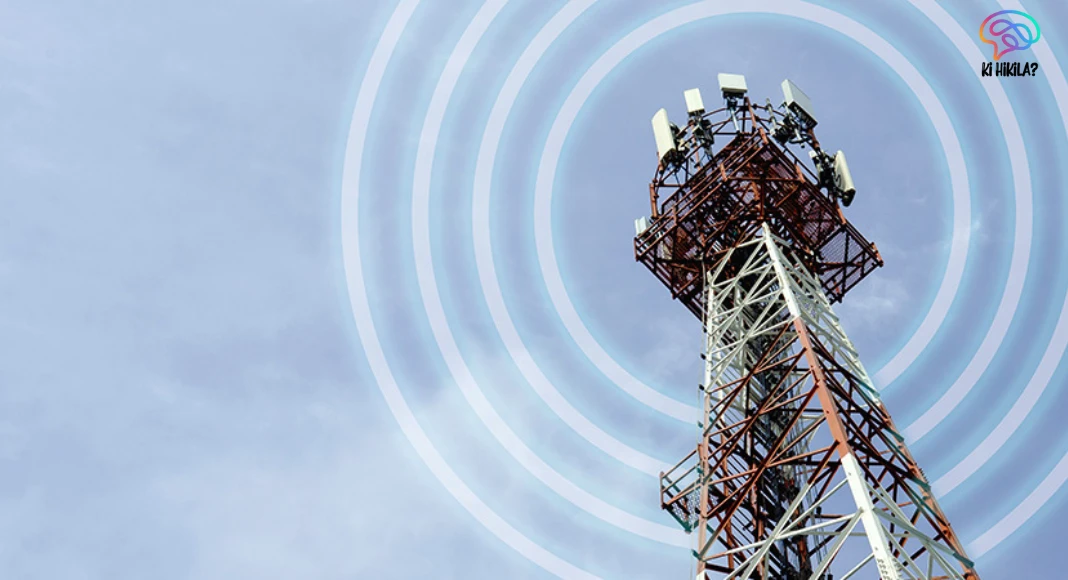
Poor connectivity has far-reaching implications. It can disrupt work-from-home arrangements, hinder access to online education, compromise telemedicine services, and negatively impact daily digital interactions. By ensuring reliable in-building networks, the Digital Connectivity Rating initiative aims to enhance user experience and maintain high service quality across all types of properties.
Assessment Criteria and Methodology
TRAI’s manual lays out transparent and standardised criteria for rating properties. Key assessment factors include fibre readiness, in-building mobile coverage, Wi-Fi availability, broadband speeds, and the overall user experience.
The methodology is designed to provide an objective measurement of a building’s digital infrastructure capabilities. Property managers, real estate developers, and service providers can use this information to plan for upgrades, ensure adequate network performance, and future-proof buildings against evolving connectivity demands.
Benefits for Buyers, Tenants, and Businesses
The introduction of Digital Connectivity Ratings provides multiple benefits for stakeholders. Buyers and tenants gain clear visibility of the connectivity performance in properties they are considering, helping them make informed decisions. Businesses and commercial tenants can select office spaces with reliable digital infrastructure, reducing downtime and improving operational efficiency.
For developers, the rating system acts as a guiding framework, encouraging the integration of robust digital infrastructure during the construction and design phases. This proactive approach increases property value, enhances user satisfaction, and ensures that buildings remain competitive in a digitally connected market.
Impact on Real Estate Standards
The Digital Connectivity Rating initiative represents a significant shift in Indian real estate standards. By setting measurable and transparent benchmarks for connectivity, TRAI promotes accountability and encourages the adoption of future-ready infrastructure.
As India continues to expand its digital economy, reliable indoor connectivity becomes essential for supporting the increasing demands of remote work, online education, telemedicine, smart homes, and other digital services. This initiative ensures that new and existing buildings align with these evolving expectations.
Future Implications
The launch of Digital Connectivity Rating Agencies signals the beginning of a broader transformation in property evaluation. Over time, the ratings could influence investment decisions, real estate pricing, and urban planning, creating a strong incentive for developers to prioritise digital infrastructure.
Moreover, as stakeholders become more aware of connectivity standards, the initiative is likely to stimulate innovations in in-building networking solutions, smart building technologies, and sustainable digital infrastructure development. Ultimately, this effort supports India’s vision of a fully connected, digitally empowered society.
Digital Connectivity Rating is poised to become a key factor in property valuation and user satisfaction, highlighting the importance of robust digital infrastructure in modern buildings.