India TB Cases Decline but Global Share Still High

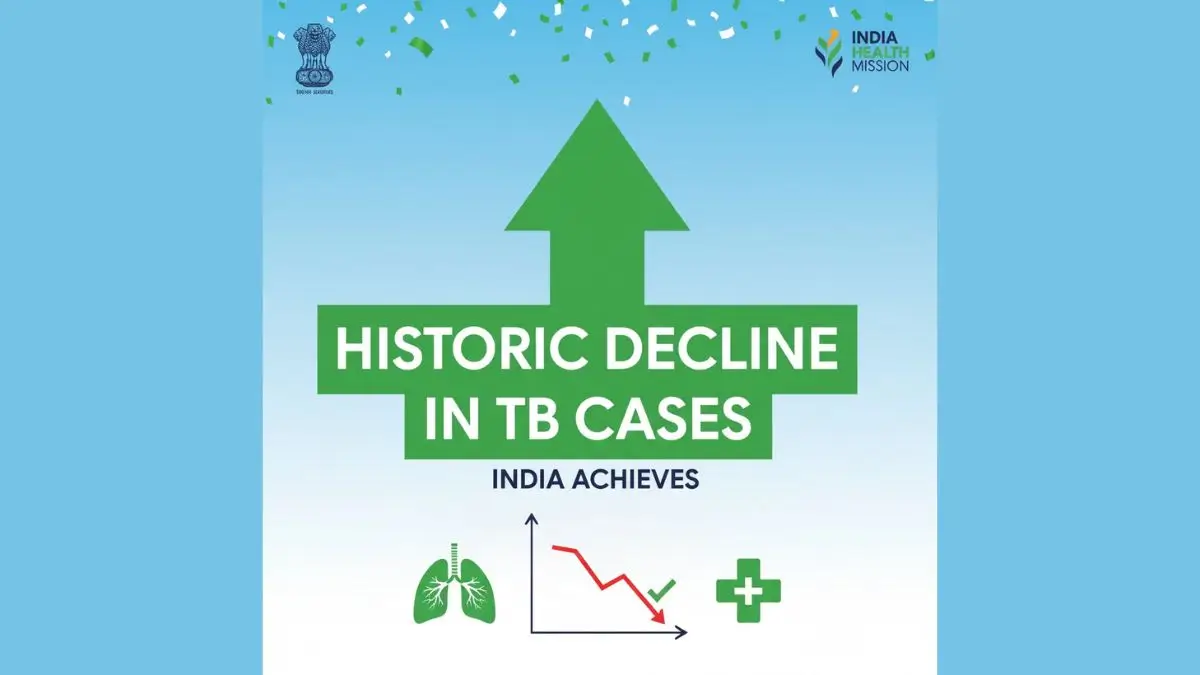
India TB cases have once again come into national focus as the latest data shows a 21% decline in tuberculosis incidence over the past decade, marking one of the fastest improvements among high-burden countries. Despite this significant progress, India still contributes a quarter of all global new TB infections, making the battle against the disease far from over.
Thank you for reading this post, don't forget to subscribe!India TB Cases Show Significant Decline Amid Ongoing National Efforts
India has recorded a notable reduction in tuberculosis (TB) incidence, reflecting the impact of sustained national health initiatives, improved detection systems and greater public awareness. According to the latest estimates, TB incidence in India fell from 237 per lakh population in 2015 to 187 per lakh in 2024, marking a 21% decline. Health experts describe this as an encouraging sign that India is steadily moving toward its TB elimination goals.
What stands out is that India’s rate of decline is nearly double the global average, placing the country among the fastest-improving high-burden nations. This improvement is attributed to a combination of modern diagnostic practices, community-level outreach and widespread treatment availability.
However, the decline does not overshadow the fact that India continues to represent 25% of the world’s new TB cases, a reflection of its large population, historical burden of infection and evolving socio-economic challenges.
India’s Position in the Global TB Landscape
Globally, tuberculosis remains one of the top infectious killers. Worldwide progress appears uneven, with certain regions still battling persistent transmission rates. According to international health assessments, thirty high-burden countries contribute to the majority of TB infections.

A large portion of global TB cases come from a handful of nations India, Indonesia, the Philippines, China and Pakistan. Together, they account for more than half of all new infections worldwide. Among these, India remains the largest contributor.
The regional distribution also highlights disparities:
- South-East Asia continues to record the highest concentration of TB cases
- Western Pacific and African regions follow closely
- Countries with weaker health systems face additional challenges in detection, diagnosis and treatment adherence
Despite the scale of the challenge, India’s faster-than-average decline has been widely noted by global health bodies as a promising trend.
Key Drivers Behind India’s Accelerated TB Decline
The sharp decline in India TB cases over the last decade is largely due to the expansion of nationwide initiatives and the adoption of robust public-health strategies. Several factors have played a decisive role:
1. Improved Detection Through Modern Diagnostics
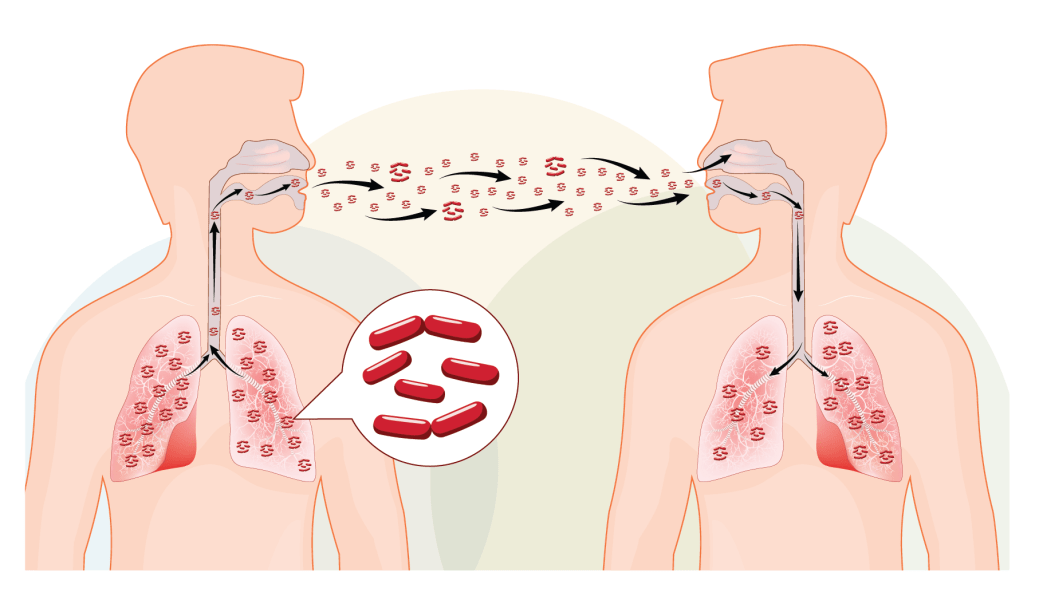
India has expanded access to advanced TB testing methods, including CBNAAT and TrueNat machines. These tools help detect TB more accurately and quickly, including multidrug-resistant strains. Early diagnosis significantly reduces transmission.
2. Strengthened Community-Level Engagement
Frontline health workers, ASHA volunteers and local awareness campaigns have been instrumental in identifying symptomatic individuals earlier. Increased community participation has helped reduce the number of “missing” TB patients who previously remained undiagnosed.
3. Boost in Treatment Coverage
By 2024, India achieved over 92% treatment coverage, one of the highest rates globally. Out of the estimated 27 lakh cases in 2024, the system successfully diagnosed over 26 lakh patients.
4. High Treatment Success Rates
Treatment success in India reached 90%, surpassing the global average of 88%. This reflects strong follow-up mechanisms, improved drug availability and ongoing patient-support interventions.
5. Significant Reduction in Undetected Cases
A major achievement has been the reduction of “missing” TB cases from roughly 15 lakh earlier to under one lakh today. This marks a transformative shift in India’s TB surveillance and reporting.
Why India Still Carries a Large Share of Global TB Cases
Despite the visible progress, India’s TB burden remains substantial for several reasons:
- Large population: Even a moderate incidence rate translates into a high absolute number of cases.
- Socio-economic factors: Poor nutrition, crowded living conditions and limited access to healthcare in certain regions make TB transmission more likely.
- Delayed diagnosis among vulnerable groups: Marginalized communities still face barriers to early testing and treatment.
- Co-existing health conditions: Diabetes and smoking continue to elevate TB risk in specific sections of the population.
Thus, while incidence has fallen, India continues to face significant structural and socio-economic challenges that extend beyond healthcare infrastructure alone.
The Road Ahead: Challenges in Sustaining Momentum
India’s progress offers hope, yet experts emphasize that the fight against TB is far from over. Sustaining the current pace of reduction will require continued efforts in several areas:
1. Early Detection Must Become Universal
More sensitive and accessible screening systems are needed, especially in rural and remote regions. Mobile diagnostic vans, community-level testing camps and self-reporting tools could expand early detection.
2. Continued Investment in Health Infrastructure
Modern laboratories, trained personnel and uninterrupted drug supplies remain critical for long-term success. India must continue strengthening the National TB Elimination Programme (NTEP).
3. Addressing Drug-Resistant TB
Although stable, drug-resistant TB continues to pose a threat. More robust treatment regimens and advanced surveillance need to be integrated across states.
4. Community-Based Support and Awareness
Long-term treatment adherence remains essential. Increased counselling, nutritional aid and social support systems can help reduce dropouts and relapse rates.
5. Tackling Social Determinants of Health
Improved housing, nutrition and sanitation are equally crucial, as TB thrives in conditions of poverty and poor living standards.
A Nation Moving Forward With Determination
India TB cases may still account for a quarter of the world’s total, but the progress achieved in the past decade demonstrates that the country is moving in the right direction. With sustained momentum, strengthened public-health strategies and community-driven participation, India is better positioned than ever to bring its TB burden under control.
Long-term vigilance, continuous investment and unwavering public commitment will ultimately determine how quickly the nation can move toward the goal of TB elimination.