


National Milk Day: Celebrating India’s White Revolution and the Power of Dairy

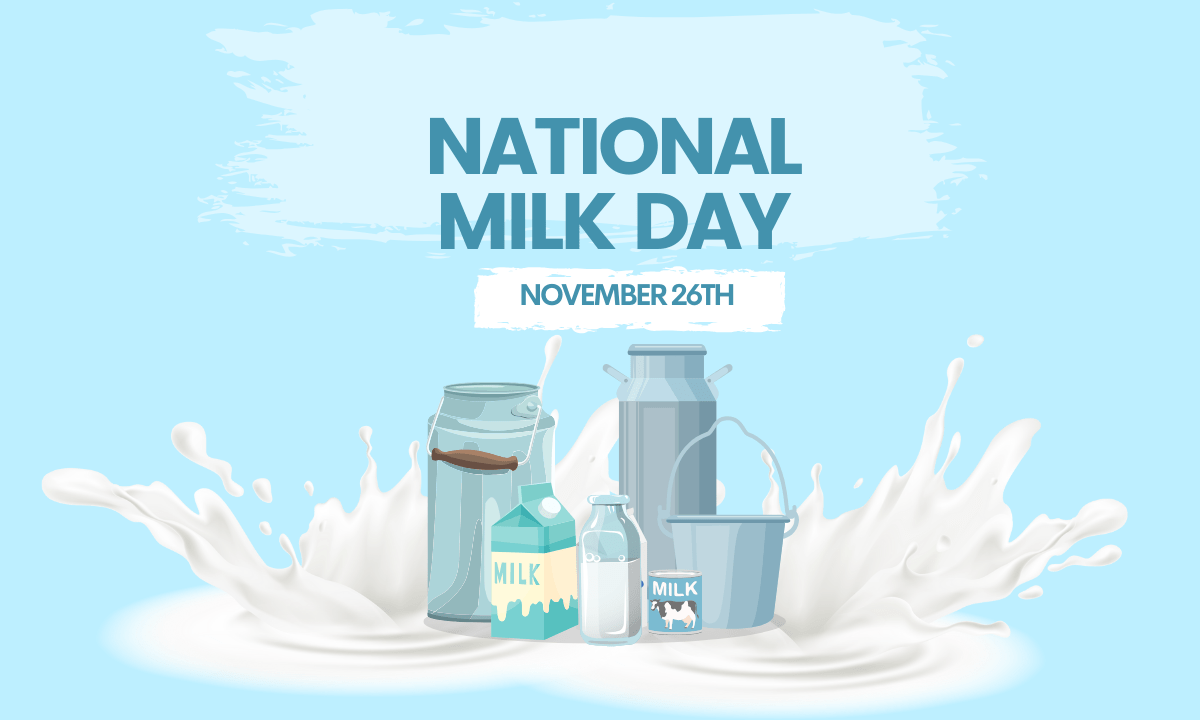
National Milk Day is more than a commemorative date in India; it is a celebration of the nation’s dairy heritage, its journey towards becoming the world’s largest milk producer, and the significant role milk plays in nutrition, livelihood, economy, and cultural traditions. Observed every year on 26 November, National Milk Day honors the birth anniversary of Dr. Verghese Kurien, famously known as the Father of the White Revolution in India. His contribution transformed the country from a milk-deficient nation into a global dairy powerhouse, empowering millions of rural families and reshaping India’s economic landscape.
Thank you for reading this post, don't forget to subscribe!What is National Milk Day?
National Milk Day was established in 2014 by the Indian Dairy Association (IDA) and various stakeholders of the dairy industry to recognize the unparalleled contribution of Dr. Verghese Kurien. The day is dedicated to acknowledging the importance of milk as a superfood, understanding the efforts of dairy workers, and spreading awareness about the value of milk in the human diet.
Milk has long been referred to as a complete food, as it contains essential proteins, carbohydrates, fats, vitamins, minerals, and enzymes required for human growth and development. National Milk Day aims to highlight this importance while also focusing on improving dairy standards, celebrating dairy cooperatives, and promoting sustainable milk production.
Why 26 November is Celebrated as National Milk Day
The date coincides with the birth anniversary of Dr. Verghese Kurien (1921–2012). He was the mastermind behind Operation Flood, the world’s largest dairy development program, which completely changed India’s dairy ecosystem. His work at Amul and the Anand Milk Federation transformed the cooperative movement, empowering millions of farmers, especially women.

The White Revolution initiated by Kurien turned India from a milk-importing country into an exporter and today the world’s largest producer of milk. Hence, celebrating his birthday as National Milk Day is a tribute to his legacy.
Historical Background: How India’s Dairy Sector Evolved
Early Dependence on Milk Imports
Before the 1960s, India faced severe milk shortages. Urban areas depended heavily on imported milk powder, and rural producers lacked infrastructure and market access.
Birth of the Cooperative Movement
With the establishment of Kaira District Cooperative Milk Producers’ Union (later known as Amul), farmers finally gained control over milk distribution and earnings.
Operation Flood (1970–1996)
A three-phase program, Operation Flood:
- Organized rural milk producers into cooperatives
- Connected villages with urban markets
- Developed modern dairies and chilling centers
- Ensured fair income for farmers
This revolution changed the dairy landscape, making milk affordable and available year-round.
The Role of Dr. Verghese Kurien in the Dairy Revolution
Dr. Kurien’s leadership, expertise, and vision created one of India’s most successful rural development models. His notable achievements include:
- Founding the National Dairy Development Board (NDDB)
- Developing the Amul brand, now an international household name
- Leading Operation Flood, responsible for propelling India to the top of global milk production
- Empowering women through dairy cooperatives
- Promoting scientific dairy farming practices
His life inspired the popular film Manthan, funded entirely by farmers donating ₹2 each.
Importance of National Milk Day in Modern India
1. Awareness of Milk’s Nutritional Significance
Milk provides nutrients essential for all age groups:
- Calcium for bones
- Protein for muscle development
- Vitamin D for immunity
- Potassium for heart health
Celebrating National Milk Day helps spread scientific information about balanced dairy consumption.
2. Recognizing Farmers and Dairy Workers
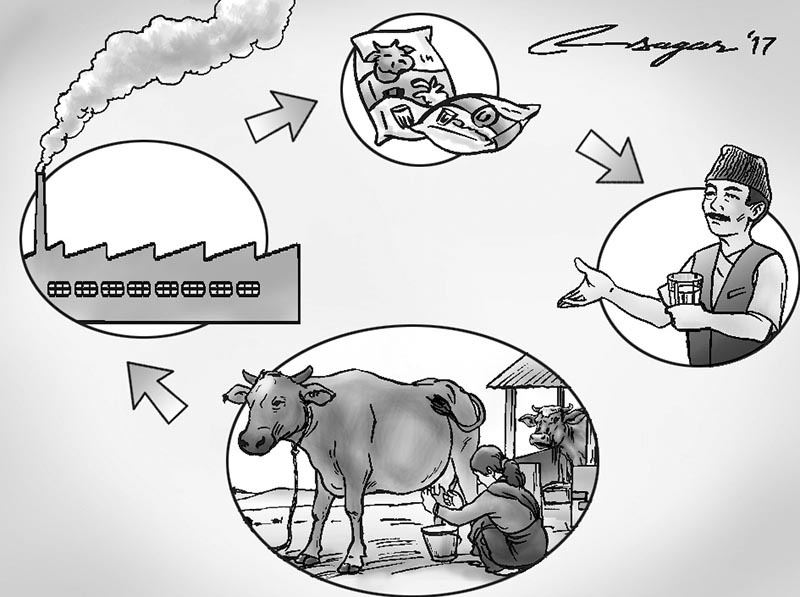
India’s dairy sector employs over 8 crore people, a majority of them women. The day honors their contribution and hardships.
3. Encouraging Dairy Entrepreneurship
National Milk Day highlights opportunities for:
- Dairy farming
- Milk processing
- Value-added products (paneer, cheese, yogurt, ghee)
- Dairy technology innovations
4. Promoting Clean Milk Production
Proper hygiene, feeding, and veterinary care are essential for high-quality milk, and the day spreads awareness on these practices.
The Nutritional Importance of Milk
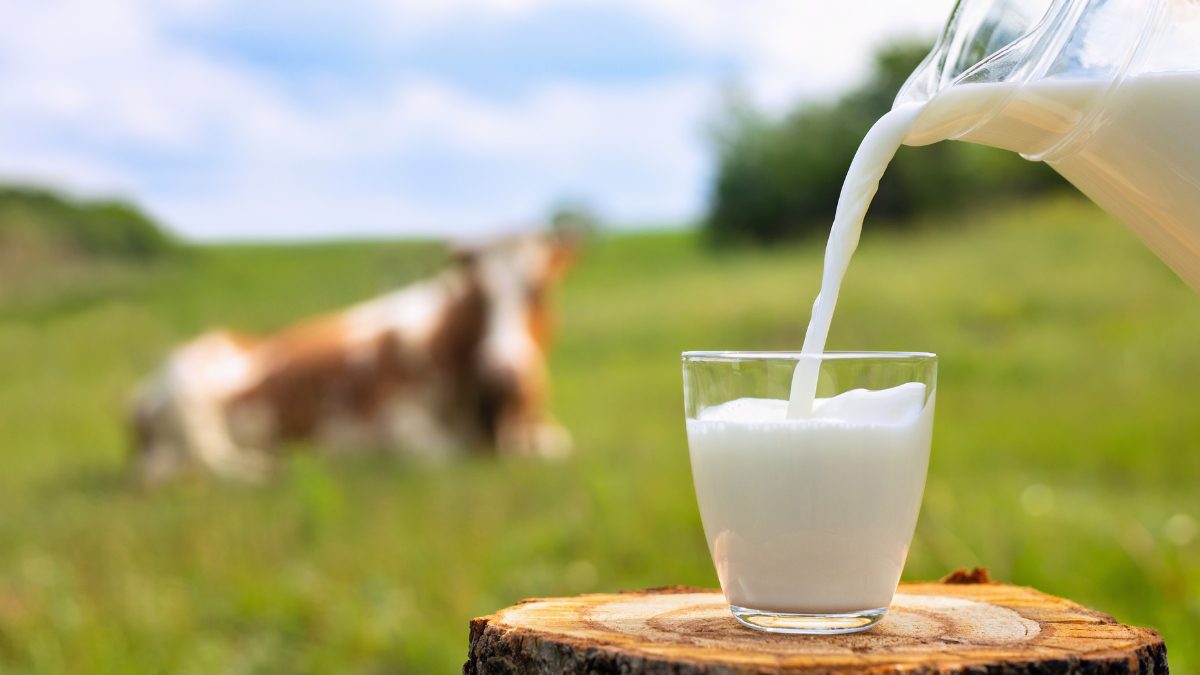
Milk is often called a “complete food,” and for good reason. It contains:
- High-quality protein essential for muscle growth
- Calcium and phosphorus for strong bones
- Vitamin D and B12 for immunity and brain health
- Healthy fats for energy
- Potassium and magnesium for cardiovascular health
For children, milk supports growth and cognitive development. For adults, it helps maintain bone density and prevents conditions like osteoporosis.
Dairy Culture in India
Milk holds a sacred place in Indian culture and tradition. From mythology to rituals, dairy products have been fundamental for thousands of years.
In Religion
- Milk is an essential offering in temples
- The Hindu deity Krishna is famously associated with dairy
- Festivals like Janmashtami and Pongal include milk-based dishes
In Traditional Cuisine
Every region of India has its signature dairy delights curd rice in the South, lassi in Punjab, rasgulla in Bengal, and kulhad doodh across North India.
Dairy is deeply intertwined with Indian lifestyle and hospitality.
India’s Dairy Economy: A Powerful Growth Engine
India’s dairy industry is valued at over ₹13 lakh crore, making it one of the largest agricultural sectors in the country.
1. Employment Generation
Over 80 million rural households rely on dairy as a primary or supplementary livelihood.
2. Women Empowerment
More than 70% of dairy workforce comprises women, making dairy one of India’s strongest rural empowerment platforms.
3. Boost to Village Development
Dairy cooperatives help build:
- Village chilling centers
- Milk collection points
- Veterinary services
- Fodder development programs
4. Export Potential
India exports dairy products like skimmed milk powder, ghee, paneer, and cheese to global markets where demand is rising.
Challenges in the Dairy Sector
Despite remarkable progress, the industry faces several challenges:
1. Lack of Cold Chain Infrastructure
Many villages still lack proper chilling facilities, causing milk spoilage.
2. Fodder Shortages
Seasonal fodder scarcity affects milk yield and cattle health.
3. Low Productivity of Indigenous Breeds
Indigenous cattle breeds provide nutritious milk but have lower yields compared to imported breeds.
4. Price Fluctuations
Milk pricing varies regionally, impacting farmers’ income stability.
5. Adulteration Issues
Milk adulteration remains a public health challenge requiring stricter enforcement.
The Rise of the Indian Dairy Cooperative Movement
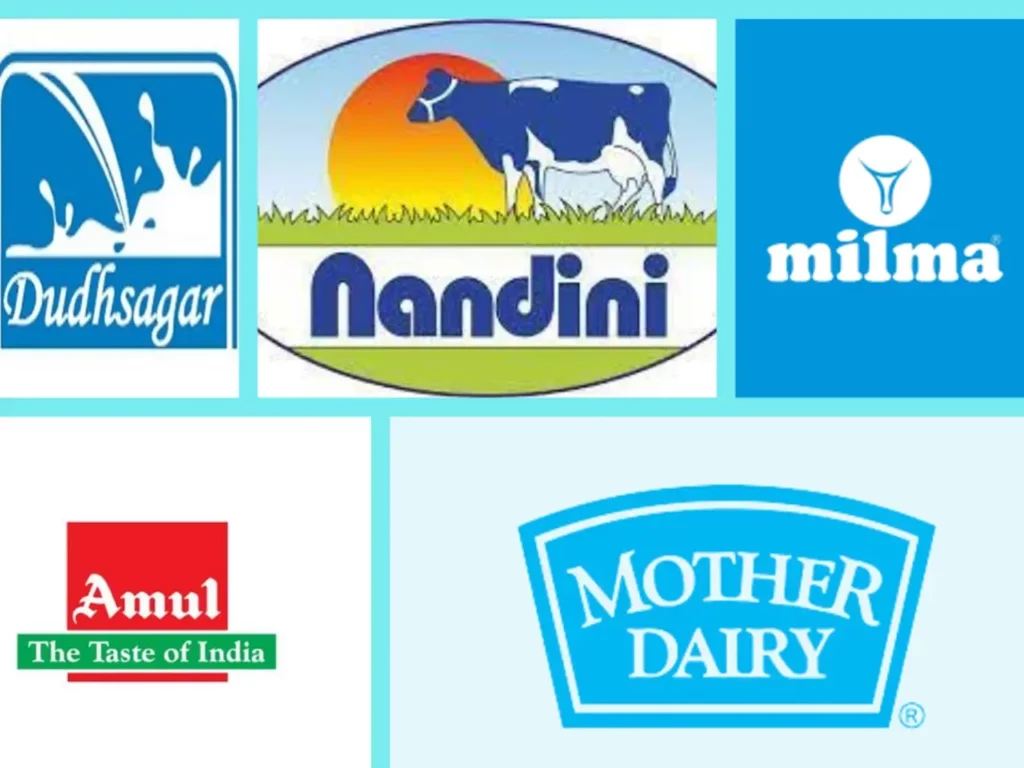
Cooperatives like Amul, Nandini, Aavin, Mother Dairy, and Milma revolutionized milk procurement and distribution across India.
Why Cooperatives Succeeded
- Direct link between farmers and consumers
- Transparent pricing
- Better profits for farmers
- High-quality dairy processing
These cooperatives are celebrated on National Milk Day for contributing to the nation’s economic upliftment.
Technological Advancements in Indian Dairy
Technology is reshaping the dairy industry at multiple levels:
1. Advanced Cattle Health Monitoring
Wearable collars track cattle movement, feeding behavior, and health.
2. Artificial Insemination & Breed Improvement
This increases milk yield and cattle quality.
3. Digital Dairy Payments
Farmers now receive payments directly to their bank accounts, ensuring transparency.
4. Automated Milking Machines
These machines ensure hygiene and reduce labor burden.
5. Innovation in Milk Products
India is witnessing a rise in:
- Probiotic dairy products
- Lactose-free milk
- High-protein yogurt
- Specialty cheese
National Milk Day Events and Celebrations
Across India, National Milk Day is marked by:
- Awareness drives
- School programs educating children on nutrition
- Farmer felicitation ceremonies
- Dairy exhibitions and seminars
- Special documentaries on Dr. Kurien
- Milk distribution campaigns
These events emphasize the value of milk as both a nutritional asset and a cultural symbol.
The Future of Dairy Farming in India
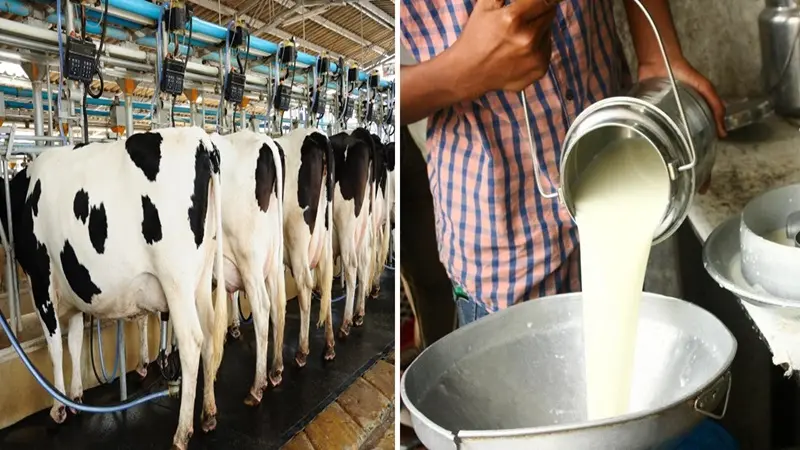
India’s dairy future looks promising with increasing investments, technological adoption, and rising consumer demand.
Key Growth Areas
- Organic milk production
- Premium dairy products
- Online milk delivery platforms
- Improved cattle breeds through genomic selection
- Export diversification
Sustainability as the Future
Eco-friendly dairy farming practices such as:
- Solar-powered cold storage
- Water recycling
- Organic fodder cultivation
- Biogas use in dairy farms
These will help India’s dairy sector remain environmentally sustainable.
National Milk Day and Rural Empowerment
One of the central messages of National Milk Day is recognizing dairy as a tool of rural transformation.
How Dairy Empowers Rural India
- Provides stable daily income
- Reduces dependency on monsoon-based farming
- Helps rural women become decision-makers
- Strengthens rural micro-economies
- Funds children’s education and healthcare
The cooperative structure ensures that benefits reach the smallest farmer.
Milk and Health: Facts Every Consumer Should Know
1. Milk Strengthens Bones
Due to high calcium and vitamin D levels.
2. Helps in Muscle Growth
Proteins like whey and casein support muscle building.
3. Improves Immunity
Antioxidants and vitamins boost overall immunity.
4. Supports Heart Health
Low-fat dairy options help maintain a balanced diet.
5. Beneficial for Skin
Milk-based products are widely used in skincare.
Milk Alternatives: Understanding Changing Consumer Trends
While milk remains dominant, plant-based alternatives are rising in urban markets:
- Almond milk
- Soy milk
- Oat milk
- Coconut milk
National Milk Day promotes awareness of nutrition, but also encourages consumers to make informed choices based on their health needs.
Education and Awareness on National Milk Day
Government agencies, dairy cooperatives, schools, colleges, and nutritionists use National Milk Day to spread awareness about:
- Safe milk handling
- Clean milking practices
- Importance of pasteurization
- Balanced diets for children
- Benefits of dairy entrepreneurship
This educational aspect is crucial to modern dairy development.
National Milk Day and the Legacy of Amul
Amul remains the greatest success story of India’s dairy revolution. Its brand philosophy “The Taste of India” reflects the diversity and richness of Indian dairy culture.
Amul symbolizes:
- Farmer empowerment
- Quality assurance
- Innovation
- Inclusiveness
- Rural prosperity
On National Milk Day, many events by Amul honor Dr. Kurien and the cooperative members who built the brand’s legacy.
The Global Relevance of India’s Dairy Leadership
As the top milk producer globally, India plays an important role in global food systems. Its dairy success demonstrates how:
- Grassroot entrepreneurship
- Cooperative governance
- Women-led enterprises
- Government support
can transform an entire sector.
This global relevance makes National Milk Day not just a national celebration but an international symbol of agricultural achievement.
A Meaningful Reflection on National Milk Day
National Milk Day stands as a constant reminder of how vision, unity, and cooperative strength can change a nation’s destiny. It honors not only the legacy of Dr. Verghese Kurien but also the resilience of millions of dairy farmers who continue to nourish India every single day. As the country looks ahead to new technologies, sustainable practices, and global opportunities, the spirit of the White Revolution continues to inspire progress. National Milk Day is more than a date it is a celebration of India’s journey from scarcity to abundance and a tribute to the people who made it possible.
Frequently Asked Questions (FAQs)
1. Why is National Milk Day celebrated in India?
National Milk Day is celebrated on November 26 every year to honor the birth anniversary of Dr. Verghese Kurien, the Father of the White Revolution. The day highlights the importance of milk in nutrition, rural development, and India’s dairy revolution.
2. Who is known as the Father of the White Revolution?
Dr. Verghese Kurien is known as the Father of the White Revolution in India. His leadership in establishing dairy cooperatives and launching Operation Flood transformed India into the world’s largest milk producer.
3. When was National Milk Day first introduced?
National Milk Day was first celebrated in 2014, introduced by the Indian Dairy Association (IDA) along with various state-level milk federations.
4. What is the main objective of National Milk Day?
The main objective of National Milk Day is to raise awareness about the nutritional benefits of milk, honor dairy farmers, and celebrate India’s achievements in the dairy sector.
5. What was Operation Flood?
Operation Flood was the world’s largest dairy development program launched in 1970. It improved milk production, distribution, and farmer income through cooperative systems, leading to the White Revolution.
6. Why is milk considered a complete food?
Milk is rich in protein, calcium, vitamins A, D, B12, potassium, and healthy fats, making it a wholesome food suitable for all age groups.
7. Which organization is associated with the White Revolution in India?
The dairy brand Amul and the cooperative structure developed at Anand, Gujarat, played a key role in the success of the White Revolution.
8. How does the dairy sector empower rural India?
Dairy farming provides daily income, strengthens local economies, supports women’s livelihood, and reduces dependency on seasonal agriculture.
9. Are there events organized on National Milk Day?
Yes, schools, dairy cooperatives, government departments, and nutrition groups conduct awareness programs, farmer felicitation events, exhibitions, and educational seminars.
10. What is the future of dairy farming in India?
The future includes technological advancements, eco-friendly dairy practices, improved cattle breeds, growth in premium dairy products, and increased global market participation.