Belgium Netherlands World Cup 2026

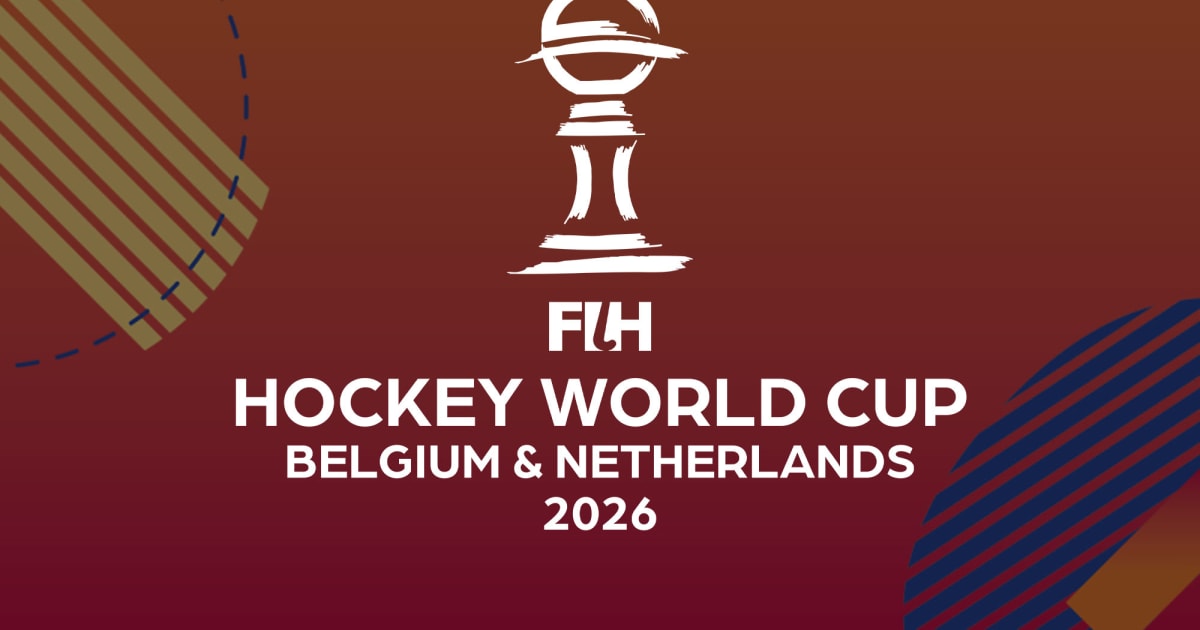
Belgium Netherlands World Cup preparations are gaining momentum as both countries gear up to co-host one of the most ambitious and inclusive editions of the FIH Hockey World Cup in 2026. Scheduled for mid-August, this historic double tournament will unite the world’s top men’s and women’s teams in a shared competitive environment across Belgium and the Netherlands. For the first time, both nations will jointly organize the men’s and women’s World Cups simultaneously, marking a major moment for global hockey.
Thank you for reading this post, don't forget to subscribe!A New Era of Dual Hosting Across Two Iconic Cities
The 2026 tournament will run from 15 to 30 August, using two world-class venues: the newly constructed Belfius Hockey Arena in Wavre, Belgium, and the legendary Wagener Stadium in Amsterdam, Netherlands. Matches will be evenly distributed between these locations, giving fans in both countries a chance to witness the world’s elite teams in action during the opening group-stage battles.
Belgium and the Netherlands both powerhouse nations in international hockey will enjoy significant home-crowd support, especially during the early stages of the competition. With each host nation based in its respective venue for the group rounds, supporters will get a rare chance to experience top-level hockey in an electrifying atmosphere.
This dual-host arrangement reflects the deep hockey culture of the two countries and sets a new benchmark for international collaboration in major sporting events.
Revised Competition Format Aims to Improve Fairness and Excitement
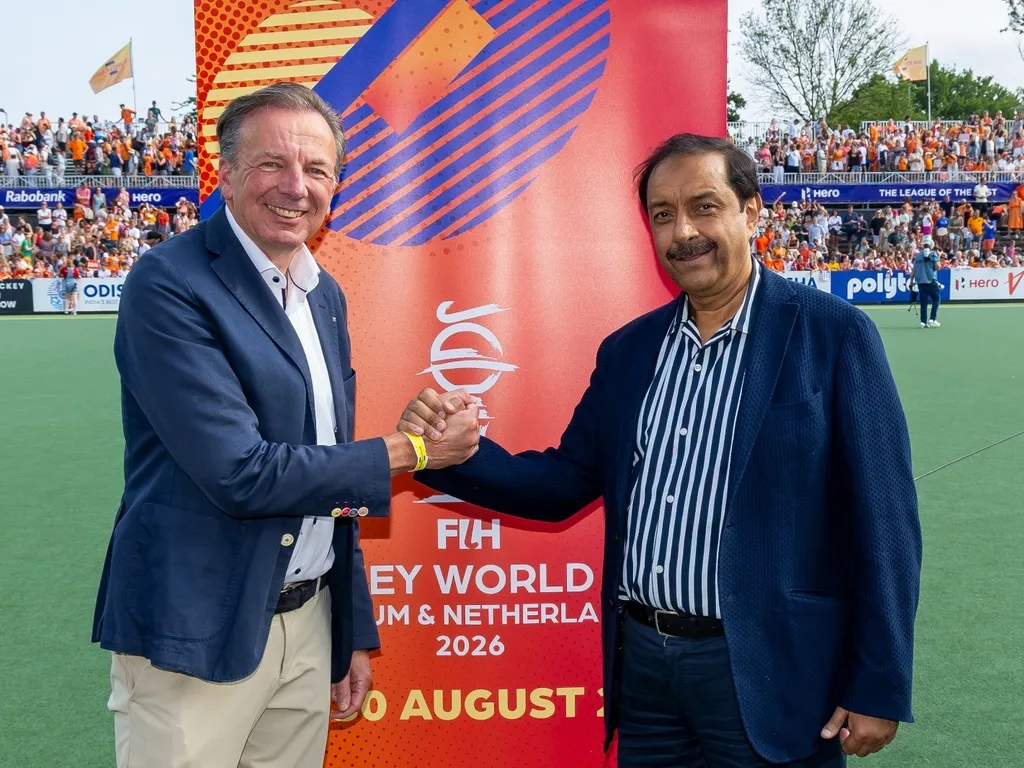
One of the most notable features of the upcoming tournament is the new format introduced by the FIH. Unlike previous editions, the 2026 World Cup will bring 16 men’s teams and 16 women’s teams together under a revised two-stage group structure.
Stage 1: Initial Group Battles
- Teams will be divided into four groups of four.
- Each nation will play three matches within its group.
- The top two teams from each group will qualify for the second round.
Stage 2: Carry-Over Group Phase
What sets the new format apart is that teams entering the second phase will carry forward their first-phase result against the same opponent they already faced. They will join a new group made up of qualifiers from two initial pools.
This second-stage grouping will determine:
- The semi-finalists, who will then fight for the championship.
- Placement positions from 5th to 8th.
- Lower-ranked teams will battle in classification rounds to determine final standings from 9th to 16th.
This two-tier structure is designed to reward consistency, intensify competition, and reduce the luck factor that sometimes influences knockout-only formats.
Qualification Progress and Build-Up Toward March 2026 Draw
As of now, half of the participating teams have already secured their spots. Host nations Belgium and the Netherlands are joined by several top-ranking hockey nations who earned qualification through continental pathways and previous performances.
The remaining slots will be decided after:
- Continental championships
- Early 2026 qualifiers and play-offs
The official tournament draw, scheduled for March 2026, will confirm:
- Final group compositions
- Opening match pairings
- Base cities for each national team during the first ten days
- Venue allocation for key rivalries and marquee fixtures
Fans and analysts are eagerly waiting for the announcement, as the draw will shape early predictions and strategic planning for participating teams.
A Historic First: ParaHockey World Cup Debuts Alongside the Main Event
A groundbreaking development for the 2026 edition is the introduction of the first-ever FIH ParaHockey World Cup for athletes with intellectual disabilities. This tournament will take place alongside the main Hockey World Cup and will use the same world-class arenas in Wavre and Amsterdam.
This historic inclusion sends a powerful message about the evolving values of global sport:
- Equality
- Inclusivity
- Fair access
- Recognition of diverse abilities
For many athletes, this marks the first time they will compete on such a prestigious international platform. It also reflects hockey’s efforts to expand opportunities and build a more inclusive sporting community worldwide.
Finals Divided Between Two Nations
To further celebrate the partnership between the hosts, the two finals will be held in separate venues:
- Men’s final in Wavre (Belgium)
- Women’s final in Amsterdam (Netherlands)
This ensures that both host nations share the spotlight during the most anticipated moments of the tournament.
What Makes the 2026 Edition Unique?
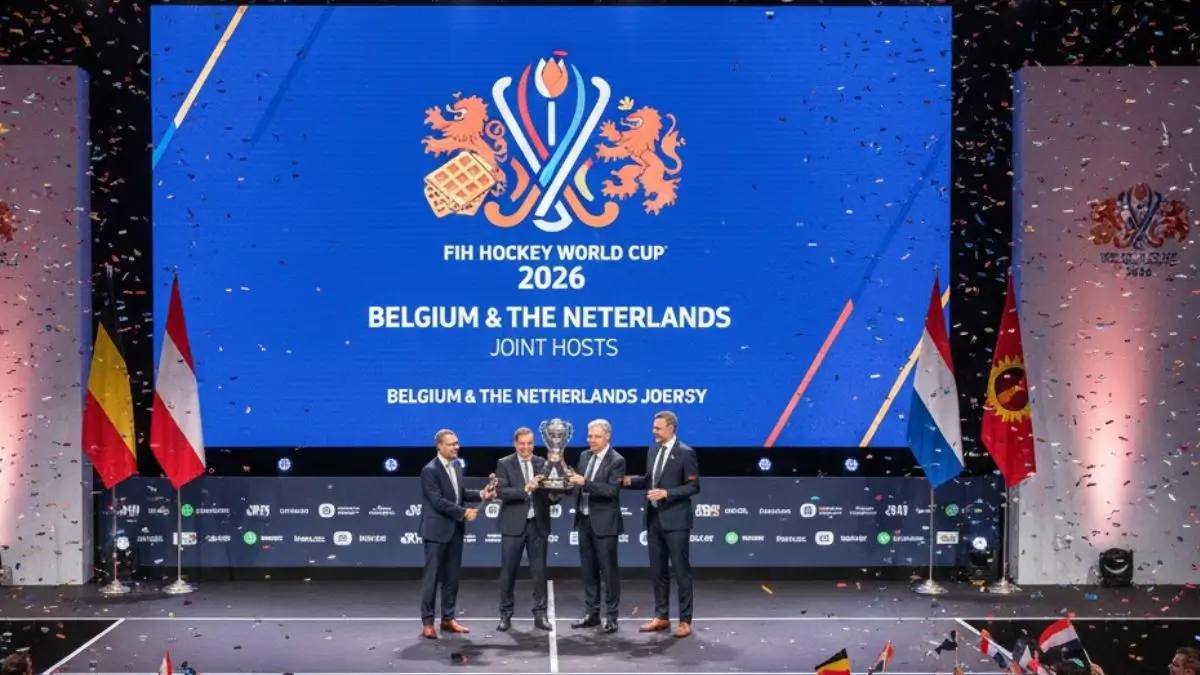
The upcoming World Cup stands out for several reasons:
Shared Global Stage
The dual-host format between two neighboring European hockey giants offers a festival-like environment for fans traveling between the venues.
Modern Infrastructure
Wavre’s new Belfius Hockey Arena will make its international debut, while Amsterdam’s historic Wagener Stadium brings tradition and legacy to the event.
Revised Competition Format
The two-phase group system emphasizes team consistency and will likely produce fewer upsets and more strategic competition.
Inclusive Expansion
The ParaHockey World Cup adds a transformative dimension to the tournament, making 2026 a landmark year in hockey history.
Strong Local Support
Both Belgium and the Netherlands are renowned for their passionate hockey communities, ensuring vibrant crowds and energetic atmospheres throughout.
Growing Importance of the Belgium Netherlands World Cup
As global interest in hockey continues to rise, the Belgium Netherlands World Cup is poised to attract record-breaking viewership, tourism, and international media coverage. The event will:
- Strengthen the sport’s global reach
- Provide high-performance exposure for emerging teams
- Offer a competitive and fair tournament ecosystem
- Highlight European hockey infrastructure
- Encourage broader participation across genders and abilities
For players, fans, and the global hockey community, August 2026 promises to deliver a thrilling, innovative, and inclusive sporting spectacle unlike any previous edition.