



Himalayan Yak Festival in Sikkim

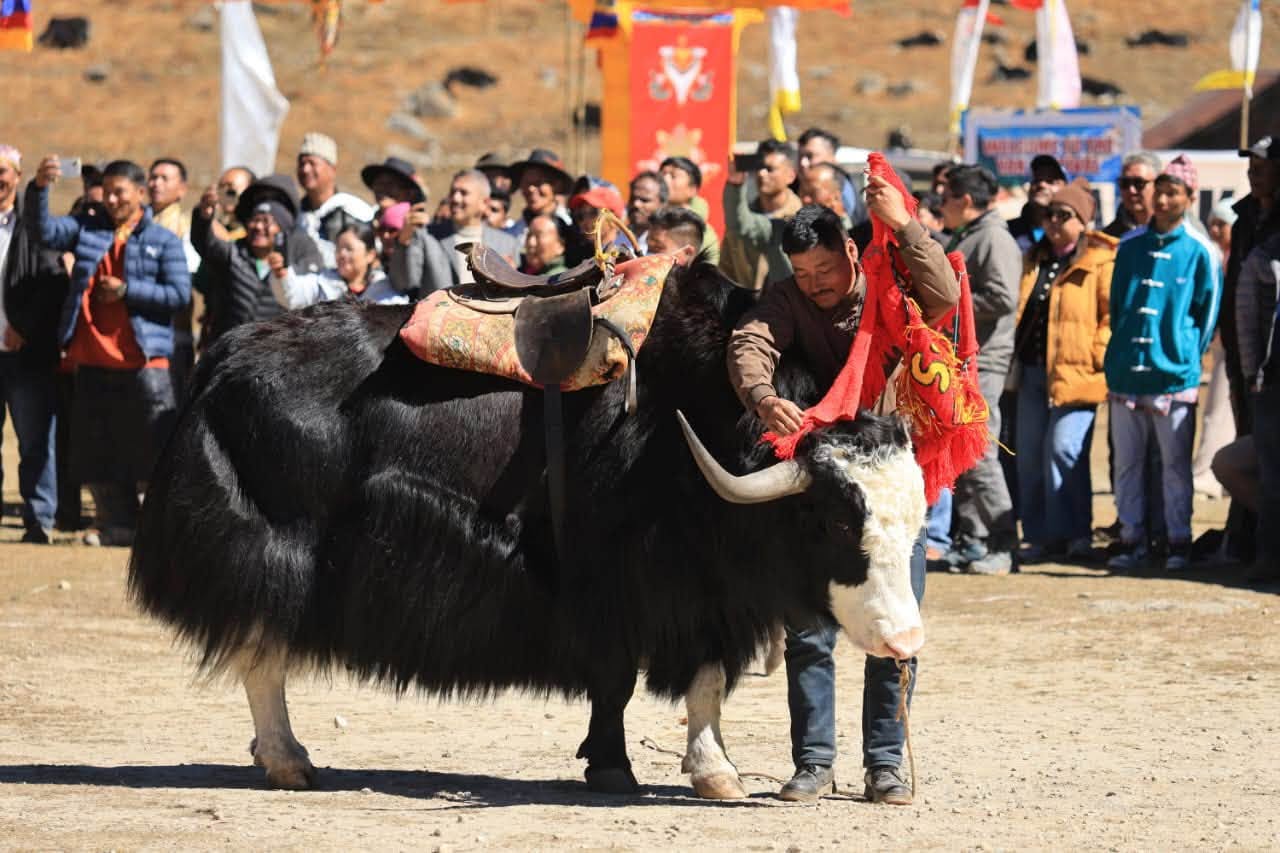
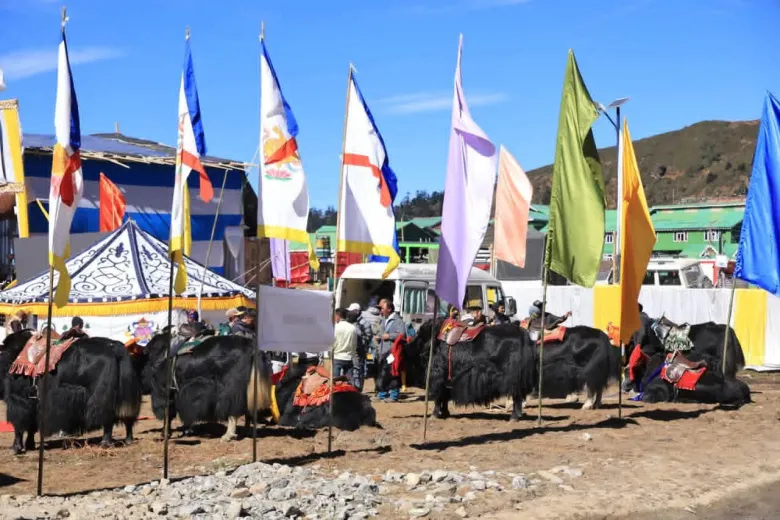
Himalayan Yak Festival was held for the first time in Gnathang Valley, Sikkim, from 28 October 2026. The festival aims to protect yaks, support local herders and promote tourism in the high-altitude regions of the Himalayas. Organised by Sikkim’s Animal Husbandry and Veterinary Services Department, the event brought together yak herders, officials and visitors to highlight the importance of these animals to mountain communities. Around 400 to 500 yaks took part in the festival, which also showcased yak products and modern breeding methods.
Gnathang Valley Becomes a Centre for Yak Conservation
Gnathang Valley is a high-altitude area in eastern Sikkim, close to the India-China border. Its cold climate and mountain grasslands provide a suitable environment for yak herding. The festival brought attention to the role of yaks in the region’s economy, culture and way of life.

The event included displays of yak-based products and discussions about animal breeding and conservation. Organisers also aimed to attract tourists who want to experience the natural environment and traditional livelihoods of the Himalayas.
Local representatives supported the idea of making the festival an annual event. Gnathang-Machong MLA Pamin Lepcha said preparations had continued for a week despite difficult weather conditions. A regular festival could give herders more opportunities to display their products and help visitors understand the importance of yak farming.
Why Are Yaks Important in the Himalayas?
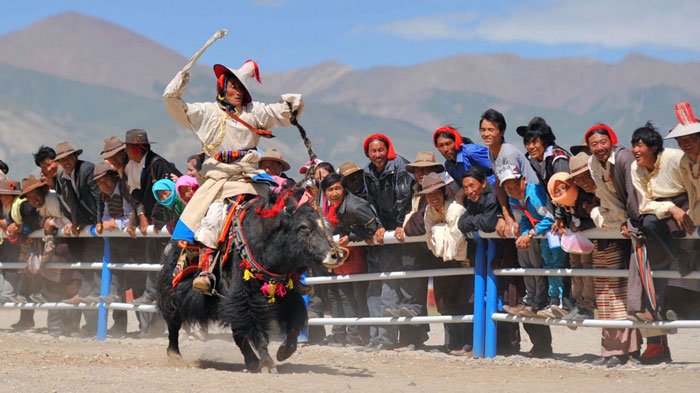
Yaks are members of the cattle family, Bovidae, and are well adapted to cold, high-altitude environments. Their thick coats help protect them from low temperatures, while their ability to graze on mountain vegetation allows them to survive in areas where other livestock may find conditions difficult.
For many Himalayan communities, yaks are an important source of food and income. They provide milk, meat, fibre and transport. Yak products can also support small businesses in remote mountain villages.
These animals are particularly valuable in places where farming options are limited by steep land, cold weather and a short growing season. Protecting yak populations therefore helps preserve both local livelihoods and traditional knowledge.
Sikkimese Yak and Breed Conservation
The Sikkimese yak is recognised as a distinct breed by the National Bureau of Animal Genetic Resources (NBAGR), an institute under the Indian Council of Agricultural Research based in Karnal, Haryana.
According to the figures provided for the festival, Sikkim has an estimated yak population of 5,312. Maintaining accurate population records and protecting the breed’s characteristics are important for long-term conservation.
The NBAGR documents and studies the genetic resources of livestock and poultry in India. This work helps identify breeds and supports efforts to preserve valuable animal populations.
The festival provided an opportunity to discuss ways of improving yak breeding and maintaining healthy herds. Such efforts can help protect the Sikkimese yak while supporting the people who depend on it.
Modern Breeding Methods on Display
One of the topics highlighted during the festival was artificial insemination. This is a breeding method in which semen is introduced into a female animal without natural mating.
When properly managed by trained professionals, artificial insemination can support planned breeding and help improve livestock management. Its use in yak farming requires suitable facilities, technical knowledge and an understanding of the animals’ needs.
Demonstrating breeding technology at the festival helped connect traditional yak herding with modern animal husbandry practices. However, successful conservation also depends on suitable grazing areas, animal health services and the protection of local breeds.
Challenges Faced by Yak Herders
Yak herding in Sikkim faces several challenges. These include declining animal numbers, shrinking grazing grounds, unpredictable weather and a lack of interest in the occupation among some younger people.
Changes in weather can affect the availability of mountain grasslands and make it harder for herders to manage their animals. Limited access to services and markets can also make yak farming less attractive as a source of income.
The festival created a platform to discuss these concerns and raise awareness about the need to support herders. Protecting grazing areas, improving veterinary care and creating better markets for yak products could help strengthen the sector.
Thupden Lachungpa, an executive member of the Yak Federation of India, also proposed establishing a “Himalayan Pole” or “Yak Pole” to recognise the animal’s importance to the Himalayan region.
Tourism and Local Livelihoods
The Himalayan Yak Festival also has the potential to promote tourism in Sikkim’s mountain regions. Visitors can learn about yak farming, see traditional products and understand how people adapt to life in a high-altitude environment.
Responsible tourism can create opportunities for local businesses, including homestays, food sellers, guides and producers of traditional goods. For these benefits to last, tourism activities need to respect local communities, animal welfare and the fragile mountain environment.
By bringing yak conservation, livestock technology and tourism together, the festival highlights the close relationship between Himalayan wildlife, domestic animals and the people who live in the mountains.