



Maharashtra Vultures Revival Marks a Major Ecological Comeback

The Maharashtra Vultures Revival story is emerging as one of the most hopeful wildlife conservation narratives in India today. After years of alarming decline and near local extinction, vultures are slowly returning to forest landscapes across the state. Recent sightings of migratory griffon vultures in protected areas have brought renewed optimism to conservationists, forest officials, and local communities who have worked for over a decade to restore these crucial scavengers to the ecosystem.
A hopeful sight in Maharashtra’s forests
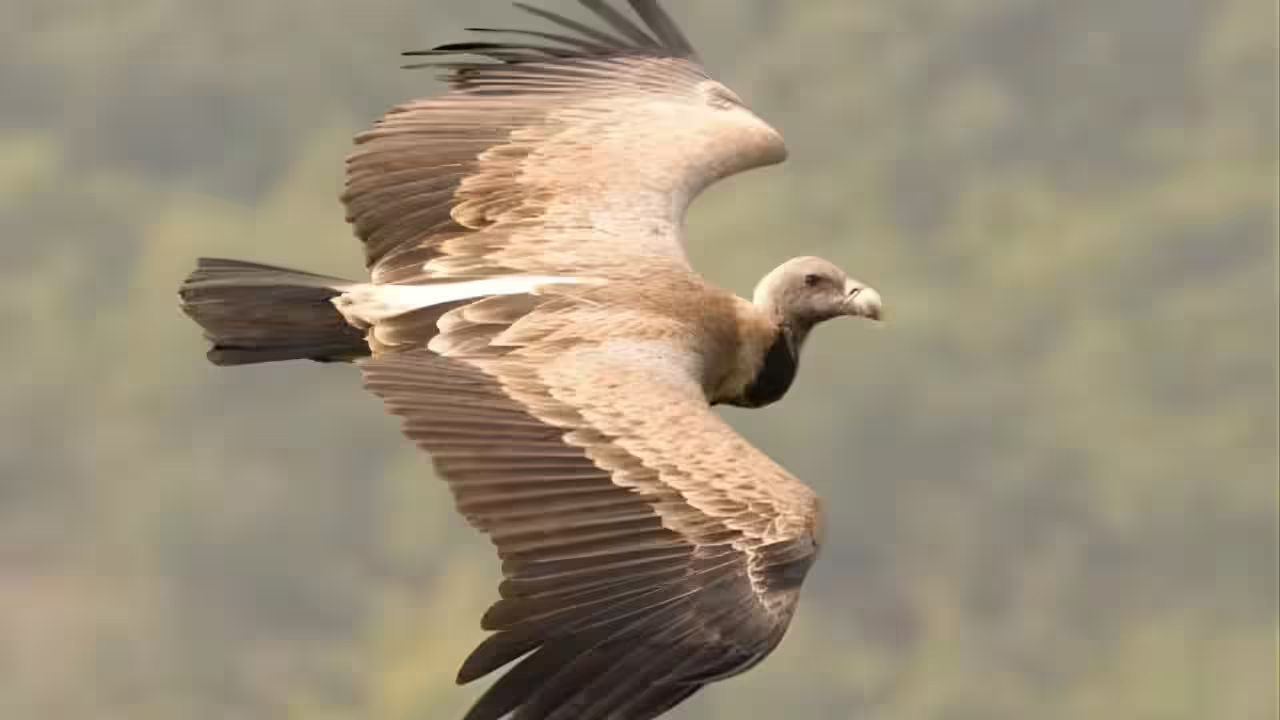
The recent spotting of a Himalayan Griffon Vulture in the forests of Melghat Tiger Reserve has been widely welcomed as a strong sign of ecological recovery. This species, known for its long seasonal migrations across the Indian subcontinent, had not been seen in this landscape for nearly ten years. Shortly after this sighting, an Eurasian Griffon Vulture was also recorded in Tadoba-Andhari Tiger Reserve, strengthening hopes that the region is once again becoming suitable for vultures.

These sightings are not isolated events. They suggest that habitat quality, food availability, and safety conditions in Maharashtra’s forests are improving. For species that are extremely sensitive to environmental changes, such returns are powerful indicators that conservation efforts are beginning to work.
Why vultures disappeared from Maharashtra
To understand the importance of the Maharashtra Vultures Revival, it is necessary to look back at what caused their decline. By the early 2000s, vulture populations across India, including Maharashtra, had collapsed at an alarming rate. The main reason was the widespread veterinary use of certain painkillers given to livestock.
When vultures fed on carcasses of animals treated with drugs like diclofenac, aceclofenac, ketoprofen, and nimesulide, they suffered kidney failure and died. This single factor wiped out millions of vultures within a short period. By around 2004, large parts of Maharashtra had lost their resident vulture populations, creating a serious ecological gap.
Vultures play a vital role as nature’s clean-up crew. They dispose of animal carcasses quickly, preventing the spread of disease and keeping ecosystems healthy. Their disappearance led to an increase in feral dogs and other scavengers, raising concerns about rabies and other public health issues.
Conservation partnerships take shape
Recognising the seriousness of the crisis, the Maharashtra Forest Department joined hands with the Bombay Natural History Society to launch long-term conservation programmes. These efforts focused on three main areas: breeding vultures in captivity, protecting and restoring habitats, and ensuring that harmful veterinary drugs were removed from surrounding areas.
Special attention was given to awareness programmes for veterinarians and livestock owners, encouraging the use of safer alternatives to toxic medicines. At the same time, protected forest areas were monitored to ensure minimal disturbance and a steady supply of safe food for vultures.
Captive breeding and careful release into the wild
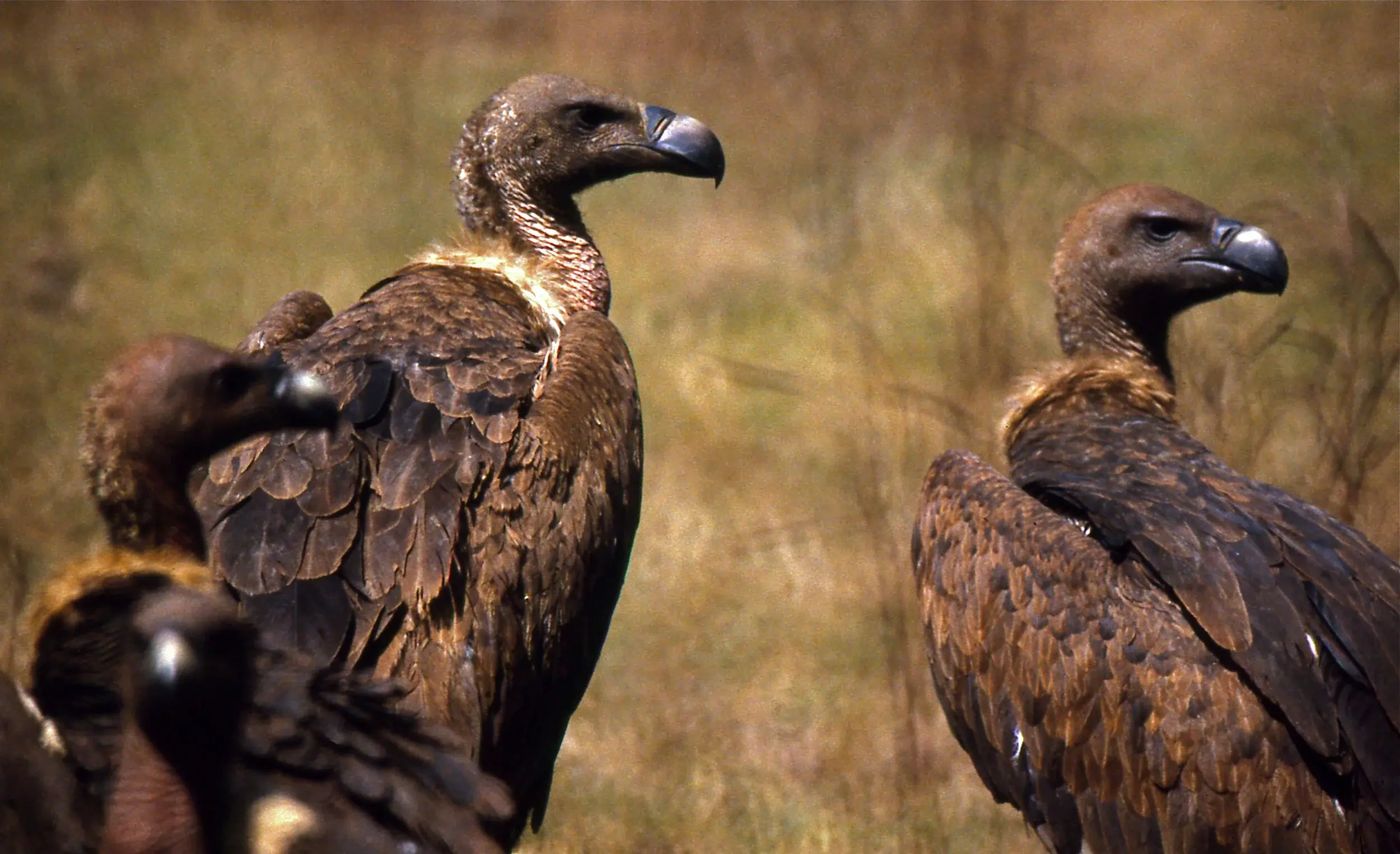
A major pillar of the Maharashtra Vultures Revival has been the captive breeding and release programme. Critically endangered long-billed vultures were bred at specialised facilities, including the Vulture Conservation Breeding Centre in Pinjore. These birds were later prepared for life in the wild through a carefully planned process known as soft release.
In April 2025, fifteen long-billed vultures were moved to the Somthana range of Melghat. They were first kept in large aviaries where they could adjust to local weather, terrain, and surroundings. This gradual acclimatisation reduced stress and improved their chances of survival after release.
In December 2025, the vultures were fitted with GSM and satellite transmitters. These devices allow scientists to track their movements, feeding patterns, and overall health. On January 2, 2026, the birds were released into the wild, with forest staff providing limited supplementary food that was slowly reduced to encourage natural foraging behaviour.
Science-led monitoring builds confidence
One of the most encouraging aspects of the Maharashtra Vultures Revival is the strong scientific monitoring behind it. Data from satellite tracking helps conservationists understand how released vultures interact with the landscape and with wild migratory birds like Himalayan griffons.
Early observations show that captive-released vultures are adapting well and are being accepted within the wider scavenger community. Their interaction with migratory griffon vultures suggests that Melghat and surrounding forests are once again functioning as healthy habitats capable of supporting multiple vulture species.
Wider impact across central India
The success seen in Melghat is also influencing conservation strategies in other reserves. Tadoba-Andhari and Pench Tiger Reserves have become important landscapes for vulture restoration. During the 2025–26 period alone, around 34 vultures were soft-released across these areas, expanding the reach of the programme beyond a single forest.
At present, conservation groups manage nearly 700 vultures across breeding centres and release sites in India. Maharashtra’s role in this network is increasingly significant, serving as a model for how state agencies and scientific organisations can work together effectively.
A strong signal for the future
The return of migratory griffon vultures to Maharashtra’s forests sends a powerful message. It shows that with patience, science-based planning, and cooperation, even species on the brink of disappearance can be brought back. The Maharashtra Vultures Revival is not just about saving birds; it is about restoring balance to ecosystems and protecting the health of people and wildlife alike.
As monitoring continues and more vultures take to the skies, Maharashtra’s forests are once again echoing with the silent, soaring presence of these vital scavengers. The journey is far from over, but the direction is clear and full of hope.