China Zero-Carbon Coal Cell: Clean Energy Breakthrough

China Zero-Carbon Coal Cell is a new technology developed by researchers in China that could change how coal is used for energy. Scientists at Shenzhen University have created a system that can produce electricity from coal without burning it. This innovation may reduce pollution and improve energy efficiency in the future.
Thank you for reading this post, don't forget to subscribe!What is China Zero-Carbon Coal Cell?
The China Zero-Carbon Coal Cell, also known as ZC-DCFC, is a special type of fuel cell. It converts coal directly into electricity using a chemical process. Unlike traditional methods, it does not require combustion. This means less pollution and better use of energy resources.
How the Technology Works
In normal coal power plants, coal is burned to produce heat. This heat turns water into steam, which spins turbines to generate electricity. This process wastes a lot of energy and releases harmful gases.
The China Zero-Carbon Coal Cell uses electrochemical oxidation instead of burning. Coal is placed in a chamber where carbon reacts through a special membrane. This reaction directly produces electricity, skipping the need for heat and steam. As a result, energy loss is reduced and efficiency increases.
Higher Efficiency Compared to Traditional Systems
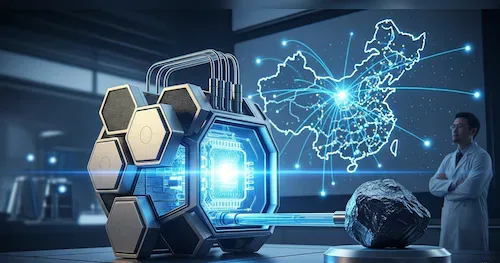
One of the biggest advantages of this system is its high efficiency. Since there is no burning, the system avoids heat loss. Experts believe it can produce almost double the electricity compared to traditional coal plants using the same amount of fuel.
This also means fewer machines like boilers and turbines are needed, making the system more advanced and cleaner.
Carbon Capture and Useful Byproducts
Another important feature of the China Zero-Carbon Coal Cell is carbon capture. The process produces a pure form of carbon dioxide, which is collected instead of being released into the air.
This captured CO2 can be reused to make useful products like synthesis gas and Sodium Bicarbonate. This turns waste into valuable materials, helping both industry and the environment.
Challenges in Large-Scale Use
Despite its benefits, the technology still faces some challenges. The materials used in these fuel cells are expensive, and their long-term performance is not fully tested.
It may take many years before the China Zero-Carbon Coal Cell can be used widely. Existing coal power systems and costs will also affect how quickly this new technology can be adopted.