Glanders Action Plan 2025: India’s Revised Strategy for Equine Health and Disease Eradication

Glanders Action Plan 2025 marks a significant step forward in India’s ongoing battle against glanders, a deadly zoonotic disease that primarily affects equines such as horses, mules, and donkeys. The Department of Animal Husbandry & Dairying (DAHD) introduced this revised national strategy to tighten surveillance, prevention, and control measures. By updating existing protocols, the plan reinforces India’s commitment to animal health security and aligns with the broader One Health approach, which recognizes the interconnectedness of human, animal, and environmental health.
Thank you for reading this post, don't forget to subscribe!Understanding Glanders
Glanders is caused by the bacterium Burkholderia mallei. Though rare globally, it poses serious risks wherever it emerges. Primarily an equine disease, glanders can also infect other animals and even humans, making it a zoonotic threat with public health implications.
Key facts about glanders include:
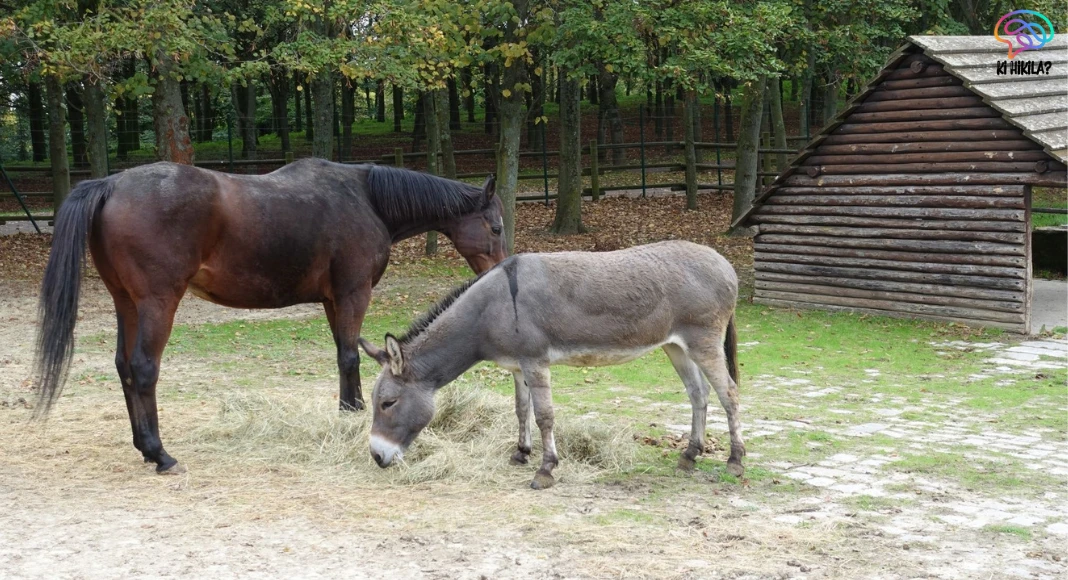
- Hosts: Horses, mules, and donkeys are the most vulnerable.
- Transmission: Direct contact with nasal discharges or contaminated feed, water, and equipment spreads the disease rapidly.
- Severity: Untreated cases often prove fatal.
- Legal status: Glanders is a notifiable disease under the Prevention and Control of Infectious and Contagious Diseases in Animals (PCICDA) Act, 2009.
- Global context: While eradicated in many countries, sporadic outbreaks continue in Asia, Africa, and the Middle East.
This background highlights why the Glanders Action Plan 2025 is timely and essential for protecting India’s equine population and preventing zoonotic spillovers.
Zoning and Surveillance Reforms
One of the most notable revisions in the new plan involves changes to zoning. Previously, infected zones were defined with a radius of 5 km, but under the Glanders Action Plan 2025, this has been reduced to 2 km. Similarly, the surveillance zone has been tightened from 5–25 km to 2–10 km.
This change ensures:
- More targeted control and monitoring.
- Reduced disruption to equine owners and communities.
- Focused deployment of resources in high-risk areas.
By narrowing zones, authorities can act swiftly and decisively without imposing unnecessary restrictions over large areas.
Strengthened Surveillance and Reporting
The revised plan emphasises enhanced surveillance mechanisms:
- Mandatory testing: Equines in endemic and high-risk regions must undergo regular screening.
- Advanced diagnostics: The use of modern laboratory tools ensures more accurate and timely detection.
- Frequent field inspections: Veterinary teams are tasked with routine checks to detect early signs of infection.
By improving early detection and reporting, the Glanders Action Plan 2025 significantly reduces the risk of wider outbreaks.
Quarantine and Movement Control
Equine movement plays a key role in spreading glanders, especially during fairs, yatras, and interstate transport. To combat this, the revised plan enforces:
- Strict quarantine protocols in infected zones.
- Movement certification for equines leaving or entering controlled areas.
- Monitoring of public gatherings where equines are present.
These measures ensure that infected or at-risk animals are not transported to new locations, thereby containing the spread effectively.
Rapid Response Mechanism
The Glanders Action Plan 2025 introduces a well-defined rapid response system. Standard Operating Procedures (SOPs) have been established to guide authorities in swift containment. Key features include:
- Immediate isolation of positive cases.
- Humane handling and management of infected animals.
- Coordination between DAHD and State Animal Husbandry Departments for quick action.
This approach minimises risks to both animal and human populations, preventing outbreaks from escalating.
Capacity Building and Training
For the plan to succeed, veterinarians and frontline staff need the right skills. Specialised training is being provided to:
- Veterinarians and para-veterinarians.
- Field staff responsible for disease surveillance and reporting.
Training modules cover glanders recognition, biosafety practices, and updated response protocols. By strengthening human resources, the plan enhances India’s ability to act swiftly at the grassroots level.
Public Awareness and Community Engagement
Awareness among equine owners and communities is vital. The Glanders Action Plan 2025 therefore includes outreach programmes aimed at:
- Educating horse owners, breeders, and transporters.
- Promoting cooperation with testing and surveillance efforts.
- Encouraging timely reporting of suspected cases.
Community engagement builds trust and ensures that disease management strategies are more effective in practice.
Research and Laboratory Support
Research institutions play a pivotal role in supporting the plan. DAHD is collaborating with the ICAR–National Research Centre on Equines (NRCE), Hisar, to focus on:
- Developing advanced diagnostic tools.
- Conducting epidemiological studies.
- Providing evidence-based guidance for policymakers.

This research-driven approach ensures that India’s glanders management strategies remain updated with global best practices.
Conclusion
The launch of the Glanders Action Plan 2025 represents a forward-looking step in India’s fight against glanders. By tightening surveillance zones, enhancing reporting systems, strengthening quarantine protocols, and investing in training and awareness, the plan lays a strong foundation for eradication.
Beyond protecting equines, the plan contributes to broader One Health preparedness, safeguarding human health and ensuring that zoonotic threats are kept in check. Through research collaboration and community participation, India is well-positioned to control and eventually eliminate glanders, setting an example for disease management worldwide.