Punatsangchhu II Project: A Milestone in India-Bhutan Clean Energy Cooperation

The Punatsangchhu II Project has achieved a historic milestone with the successful synchronization of its final unit to Bhutan’s national power grid in August 2025. With an installed capacity of 1020 MW, this massive hydroelectric project represents one of the largest clean energy collaborations between India and Bhutan. Its completion not only enhances Bhutan’s installed power capacity by nearly 40 percent but also strengthens the foundation of regional energy security in South Asia.
Thank you for reading this post, don't forget to subscribe!Recent Developments
The final unit of the Punatsangchhu II Project, Unit 6 (170 MW), was synchronized in August 2025. This marked the culmination of a phased commissioning process, where the first five units were brought online between December 2024 and July 2025.
So far, the project has injected over 1.3 billion units of electricity into Bhutan’s grid, generating revenues of approximately Nu 4.9 billion. With physical progress at 99.19 percent, the project now stands as a symbol of resilience and sustained bilateral cooperation despite years of delays and challenges.
Project Overview
The Punatsangchhu II Project is a run-of-the-river hydroelectric facility located on the Punatsangchhu River in Bhutan’s Wangdue Phodrang district. Designed with a capacity of 1020 MW, it is among the largest hydropower ventures in the country.
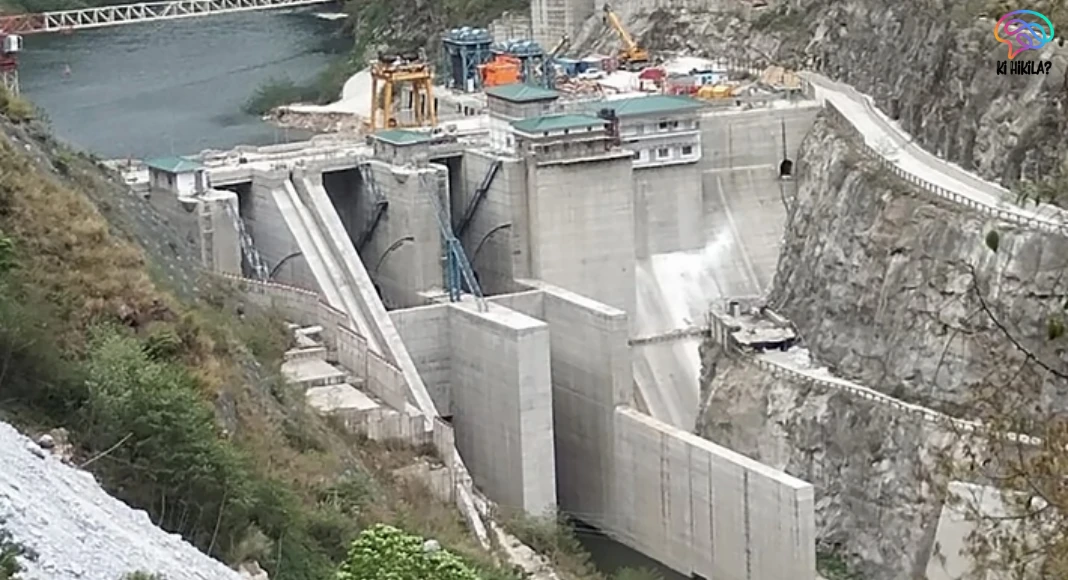
Sanctioned at a cost of ₹37,778 million, the project has been entirely funded by the Government of India, with a financial model that includes 30 percent grant and 70 percent loan at 10 percent annual interest. This reflects India’s continued commitment to supporting Bhutan’s infrastructure development and energy independence.
India-Bhutan Hydropower Cooperation
Hydropower has long been the cornerstone of India-Bhutan relations. Over the decades, both countries have successfully completed several landmark projects, including:
- Chukha Hydropower Project (336 MW)
- Kurichhu Project (60 MW)
- Tala Project (1020 MW)
- Mangdechhu Project (720 MW)
- Punatsangchhu II Project (1020 MW)
Together, these projects have raised Bhutan’s total installed capacity to over 3500 MW, allowing the country to export surplus power to India. This not only generates revenue for Bhutan but also supports India’s growing clean energy needs.
The hydropower partnership is mutually beneficial: Bhutan earns substantial foreign exchange through power exports, while India strengthens its renewable energy portfolio and regional cooperation agenda.
Strategic and Environmental Significance
The completion of the Punatsangchhu II Project carries strategic and environmental importance. First, it exemplifies how clean energy can strengthen bilateral ties and contribute to climate-friendly development. Second, as a run-of-the-river project, it involves minimal displacement of people and reduced ecological impact compared to large reservoir-based dams.
This approach aligns with Bhutan’s long-standing environmental policies and India’s commitment to sustainable energy transition. The project also supports broader regional goals such as the South Asian Association for Regional Cooperation (SAARC) vision of cross-border electricity trade and climate resilience.
Challenges and Delays
The journey of the Punatsangchhu II Project has been far from smooth. Construction began in December 2010 with an anticipated completion timeline of seven years. However, multiple challenges led to repeated delays:
- Geological surprises such as unstable rock formations slowed excavation work.
- Flash floods and natural disasters impacted construction schedules.
- COVID-19 pandemic disruptions in 2020–21 caused labor shortages and supply chain delays.
- Technical complexities in tunneling and dam design required expert intervention.
Despite these obstacles, Indian agencies like WAPCOS (Water and Power Consultancy Services) and NIRM (National Institute of Rock Mechanics) provided technical guidance to ensure high safety and engineering standards. Ultimately, perseverance paid off with the successful completion in 2025.
Future Prospects
The commissioning of the Punatsangchhu II Project is not the final chapter in India-Bhutan hydropower collaboration. Under the 2024 Joint Vision Document, both countries have committed to expanding cooperation in clean energy.
Ongoing and upcoming projects include the much-anticipated Punatsangchhu I Project (1200 MW), which once completed will further elevate Bhutan’s role as a key renewable energy hub in South Asia. Additionally, both governments are exploring newer technologies in solar, wind, and grid integration to complement hydropower and diversify the energy mix.
For Bhutan, continued hydropower development promises economic growth, energy security, and environmental sustainability. For India, reliable imports of clean electricity from Bhutan reduce dependence on fossil fuels and contribute to its ambitious renewable energy targets.
Broader Implications for South Asia
The success of the Punatsangchhu II Project serves as a model for cross-border clean energy partnerships. It demonstrates how regional cooperation can overcome geographical challenges and deliver sustainable solutions. By exporting surplus hydropower, Bhutan plays an important role in balancing South Asia’s growing demand for clean electricity.
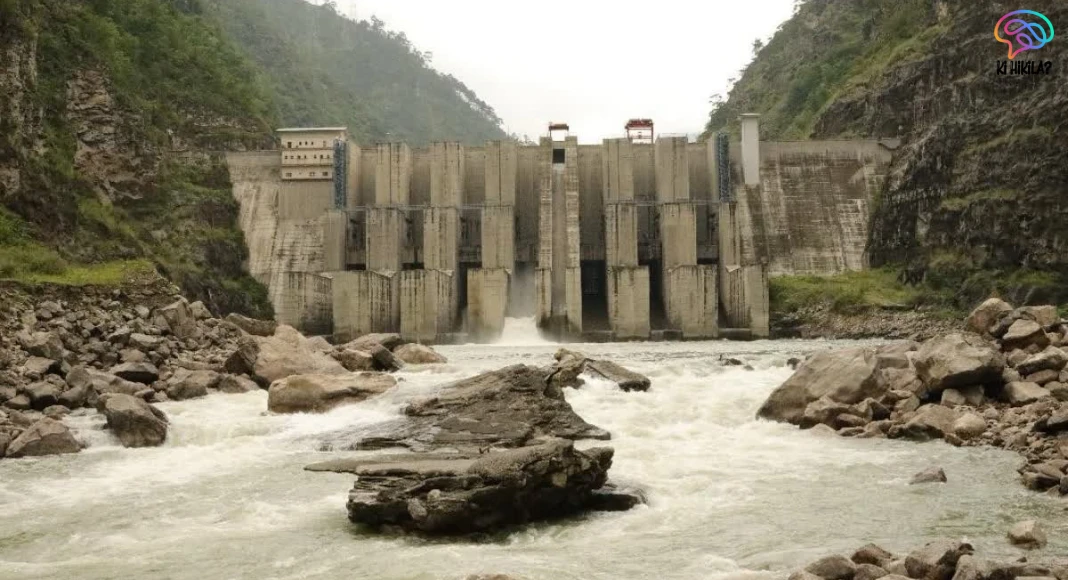
This project also reflects the potential of renewable energy to foster peace, stability, and shared prosperity in the region. With climate change posing increasing risks, such projects will be critical in shaping a low-carbon future.
Conclusion
The Punatsangchhu II Project stands as a landmark in India-Bhutan cooperation and a shining example of how clean energy development can drive both economic and environmental progress. By adding 1020 MW to Bhutan’s grid and boosting regional energy security, it underscores the importance of resilience, technical expertise, and mutual trust in bilateral partnerships.
Despite its long delays, the project’s successful completion in 2025 reaffirms the potential of hydropower as a sustainable resource for South Asia. Looking ahead, Punatsangchhu II will remain a vital symbol of collaboration, clean energy, and shared growth for India and Bhutan.