



Indian Navy Day: Celebrating the Guardians of the Seas

Indian Navy Day is celebrated every year on December 4th to honor the courage, dedication, and achievements of the Indian Navy. This day serves as a reminder of the navy’s crucial role in protecting India’s maritime borders, safeguarding national interests, and providing humanitarian aid during emergencies. It is a day to recognize the sacrifices of naval personnel and to inspire future generations to contribute to the nation’s maritime security.
Thank you for reading this post, don't forget to subscribe!History of Indian Navy Day
The idea of Indian Navy Day began after the Indo-Pakistani War of 1971, a conflict that demonstrated the critical role of the Indian Navy in ensuring national security. On December 4, 1971, the Indian Navy executed a brilliant naval operation, Operation Trident, against the Pakistani Navy during the war. This operation targeted the Karachi harbor, causing significant damage to enemy ships and infrastructure, and is considered one of the most successful naval missions in Indian history.
In recognition of this achievement and the importance of the navy, December 4 was declared Indian Navy Day. Since then, the day has been celebrated annually to honor the bravery and strategic contributions of the naval forces.
Importance of Indian Navy Day
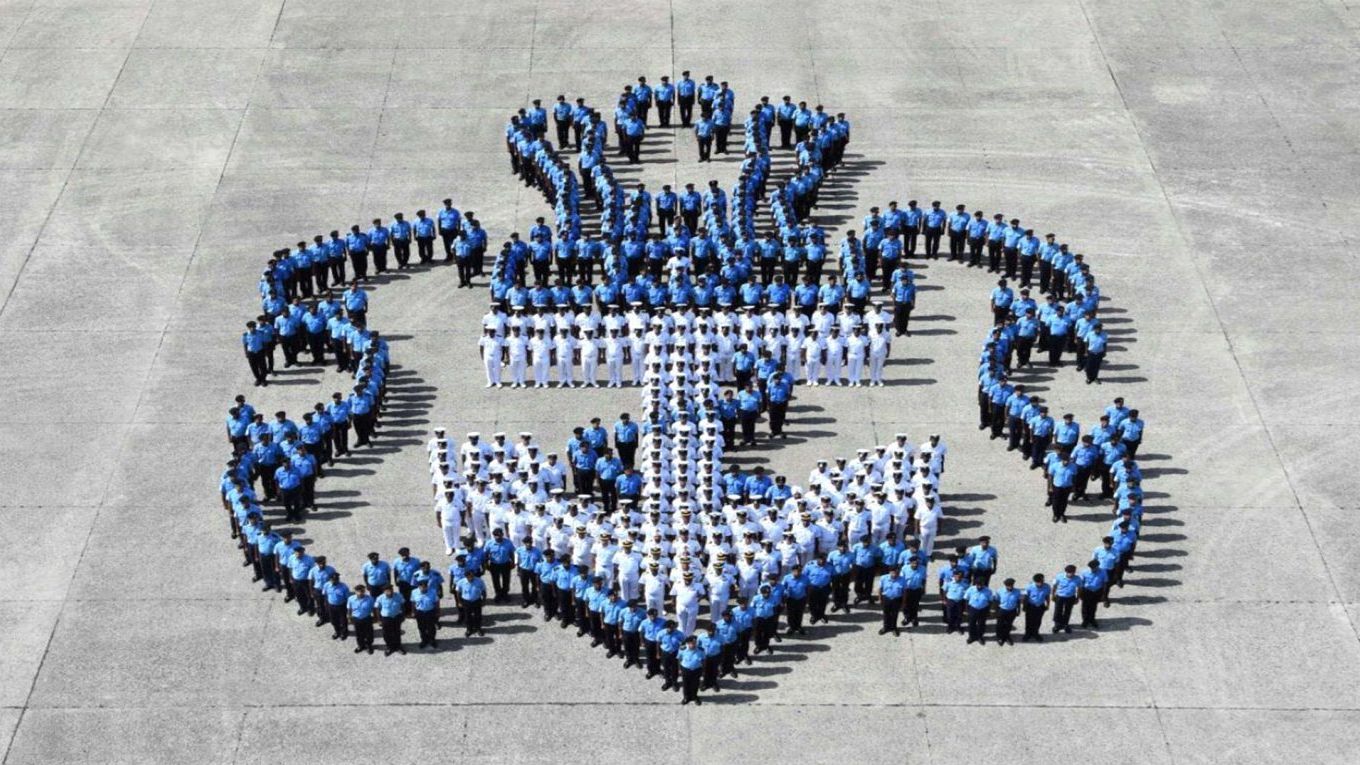
Indian Navy Day is not just a ceremonial event; it is an occasion to reflect on the strategic importance of the Indian Navy in national defense. India has a vast coastline of more than 7,500 kilometers, along with a large exclusive economic zone (EEZ) that is rich in natural resources. Protecting these maritime areas is critical for national security, trade, and economic development.
The navy plays a dual role: defending the nation from external threats and assisting in humanitarian missions. Its responsibilities include:
- Securing sea lanes of communication
- Conducting surveillance and reconnaissance
- Anti-piracy operations
- Disaster relief and humanitarian assistance
- Supporting scientific and research missions in the Indian Ocean region
Celebrating Indian Navy Day raises awareness among the public about the navy’s contributions and inspires young people to consider a career in this prestigious force.
Indian Navy Achievements
Over the years, the Indian Navy has achieved remarkable milestones. Some of the notable accomplishments include:
1. Operation Trident and Operation Python
As mentioned, Operation Trident in 1971 was a major victory during the Indo-Pak war. Following its success, Operation Python was carried out, continuing the offensive against enemy naval assets and strengthening India’s maritime dominance.
2. Anti-Piracy Operations
In recent years, the Indian Navy has been actively involved in combating piracy in the Gulf of Aden and the Indian Ocean Region. The navy escorts merchant ships, protects Indian and foreign vessels, and ensures safe maritime trade routes.
3. Humanitarian Assistance and Disaster Relief (HADR)
The Indian Navy has earned international recognition for its humanitarian missions. It has provided relief during natural disasters such as tsunamis, cyclones, floods, and earthquakes both within India and abroad. Operations like Operation Rahat (rescue during Yemen crisis) highlight the navy’s role beyond warfare.
4. Indigenous Naval Technology
The Indian Navy has been modernizing its fleet with indigenous ships, submarines, and aircraft. The development of submarines like INS Arihant, and aircraft carriers such as INS Vikrant, reflects India’s growing maritime self-reliance.
Indian Navy Day Celebrations
Indian Navy Day is celebrated with enthusiasm across India, particularly in coastal regions. The celebrations include:
1. Naval Parades and Demonstrations
Naval bases and dockyards host parades, exhibitions, and air shows, showcasing the navy’s capabilities. Visitors can see naval ships, submarines, and advanced weaponry on display. Live demonstrations of maritime operations and rescue exercises are often conducted.
2. Honoring Naval Personnel
The day also focuses on recognizing the bravery of naval officers and sailors. Gallantry awards, medals, and honors are presented to personnel who have shown exceptional courage and service to the nation.
3. Public Awareness Programs
Educational programs, seminars, and awareness campaigns are organized to inform citizens about the navy’s role in national security. Schools, colleges, and maritime institutes conduct special lectures and interactive sessions for students.
4. Media Coverage
The achievements of the Indian Navy are highlighted in newspapers, television, and online platforms. Documentaries and interviews of veterans and serving officers are shared to inspire the public.
Role of the Indian Navy in National Security
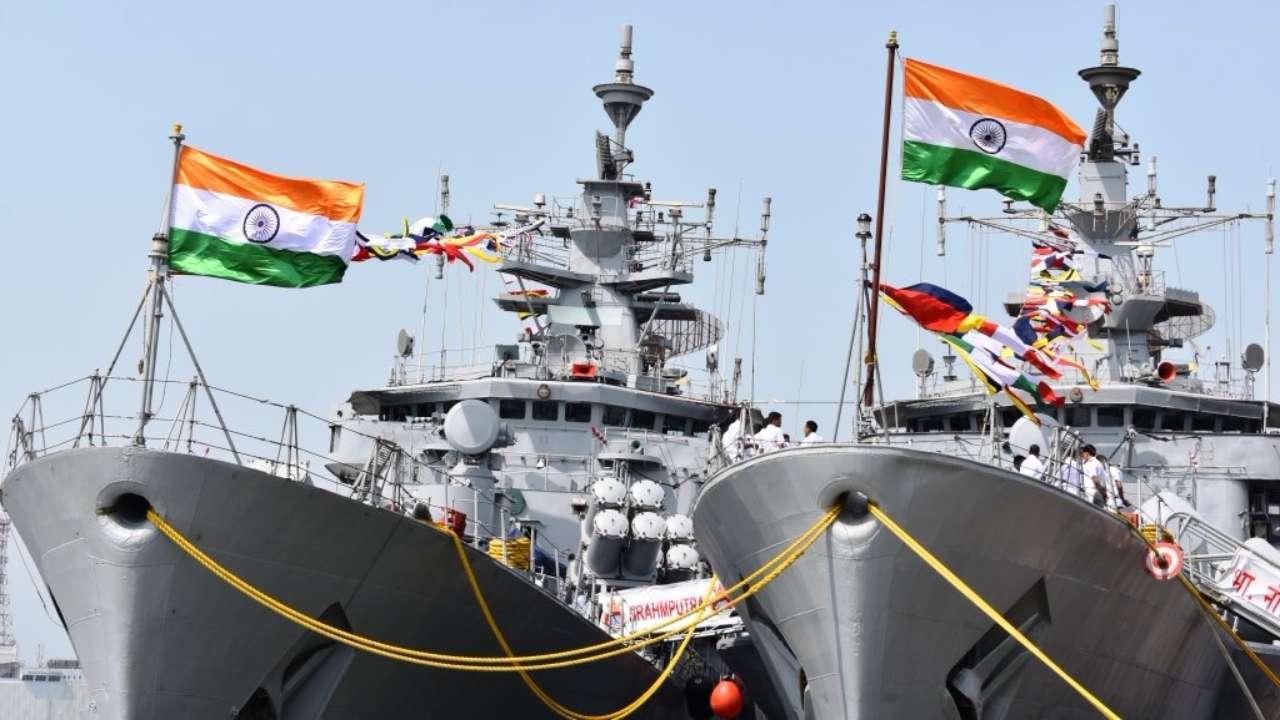
India’s strategic location in the Indian Ocean Region (IOR) makes the navy a crucial pillar of national defense. The navy ensures:
- Maritime dominance: Prevents adversaries from controlling vital sea routes
- Deterrence: Maintains a strong naval presence to discourage aggression
- Support to Army and Air Force: Provides logistical support and strategic coordination
- Global collaborations: Participates in joint naval exercises with other nations to strengthen ties and enhance operational capabilities
The Indian Navy is often referred to as the “blue water navy”, reflecting its ability to operate globally across deep waters and maintain India’s influence in international waters.
Inspirational Stories from Indian Navy
1. INS Vikrant – The Aircraft Carrier
INS Vikrant played a pivotal role during the 1971 war, providing air support for naval operations. Its contribution to maritime security has become a symbol of India’s naval strength.
2. Operation Raahat
During the Yemen crisis in 2015, the Indian Navy successfully evacuated over 4,500 Indian and foreign citizens from a conflict zone. This mission showcased the navy’s efficiency and humanitarian spirit.
3. Anti-Piracy Patrols
Indian Navy warships have rescued several vessels from pirates in the high-risk waters of Somalia and Gulf of Aden, demonstrating courage and professionalism.
Indian Navy and Technology
The Indian Navy constantly modernizes its fleet and adopts new technologies to stay prepared for modern warfare. Some technological advancements include:
- Aircraft Carriers: India operates advanced aircraft carriers that provide air power at sea.
- Nuclear Submarines: Nuclear-powered submarines serve as strategic deterrents and strengthen underwater capabilities.
- Missile Systems: Modern missile systems enhance the Navy’s offensive and defensive operations.
- Naval Aviation: Helicopters and fighter jets expand the Navy’s reach and effectiveness.
- Satellite Communication: The Navy uses satellites for communication, navigation, and intelligence gathering.
These technological developments ensure that the Indian Navy remains capable of protecting the nation in all scenarios.
Career in the Indian Navy
A career in the Indian Navy is prestigious and offers multiple opportunities for young men and women. Careers in the Navy include:
- Naval Officers: Leadership roles in operations, strategy, and management.
- Sailors: Skilled personnel serving on ships, submarines, and aircraft.
- Technical Specialists: Experts in engineering, electronics, and weapons systems.
- Medical Officers: Doctors and medical staff providing healthcare to Navy personnel.
- Aviation Wing: Pilots and aviation engineers working with naval aircraft.
The Navy offers good salaries, benefits, adventure, and opportunities for personal and professional growth.
Indian Navy in International Relations
The Indian Navy also plays a key role in diplomacy and international relations. By participating in joint exercises and humanitarian missions, India strengthens ties with other countries. Some examples include:
- Malabar Exercises: Joint naval exercises with the United States, Japan, and Australia.
- Humanitarian Assistance: Disaster relief missions in neighboring countries like Sri Lanka, Maldives, and Bangladesh.
- Anti-Piracy Operations: Collaboration with international navies to secure global trade routes.
Through these efforts, the Indian Navy contributes to global maritime peace and stability.
Women in the Indian Navy
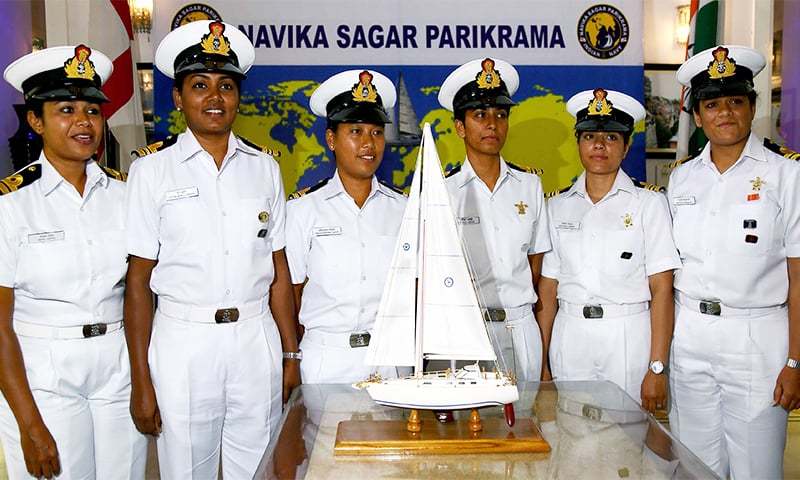
The Indian Navy has been progressively inclusive, welcoming women into various roles. Women officers serve in areas such as:
- Navigation
- Air traffic control
- Engineering and technical operations
- Logistics and administration
This inclusion not only strengthens the navy but also promotes gender equality in defense services.
Future of the Indian Navy
The Indian Navy aims to become a world-class maritime force capable of safeguarding India’s interests globally. Its plans include:
- Expanding naval bases along strategic locations
- Modernizing ships, submarines, and aircraft
- Strengthening maritime surveillance and intelligence capabilities
- Enhancing indigenous shipbuilding and defense technology
With these initiatives, the navy is poised to play a crucial role in India’s defense and international diplomacy.
Conclusion
Indian Navy Day is not just a celebration; it is a tribute to the dedication, courage, and professionalism of the men and women of the Indian Navy. It reminds citizens of India’s rich maritime heritage, the importance of naval power, and the sacrifices made to protect the nation’s waters.
On December 4th, Indians across the country honor the Navy’s contributions and achievements while promoting awareness about maritime security and defense. The Indian Navy remains a symbol of strength, resilience, and national pride, ensuring India’s sovereignty on the high seas.
Indian Navy Day inspires young Indians to dream of serving their country at sea and reinforces the vital role of the Navy in safeguarding the nation.
FAQs about Indian Navy Day
Q1. Why is Indian Navy Day celebrated on December 4?
Indian Navy Day is celebrated on December 4 to commemorate Operation Trident in 1971, when the Indian Navy successfully attacked Karachi harbor during the Indo-Pakistani War.
Q2. What is the significance of Indian Navy Day?
The day honors the bravery and achievements of naval personnel and highlights the navy’s role in national security, disaster relief, and maritime safety.
Q3. Who can join the Indian Navy?
Both men and women who meet the eligibility criteria in terms of age, education, and physical fitness can join the Indian Navy. Opportunities are available for officers, sailors, and technical specialists.
Q4. What are some notable Indian Navy operations?
Some notable operations include Operation Trident, Operation Python, Operation Rahat, and anti-piracy missions in the Gulf of Aden.
Q5. How can civilians participate in Indian Navy Day celebrations?
Civilians can visit naval exhibitions, attend seminars, watch parades and demonstrations, and participate in educational programs organized by the Indian Navy.