



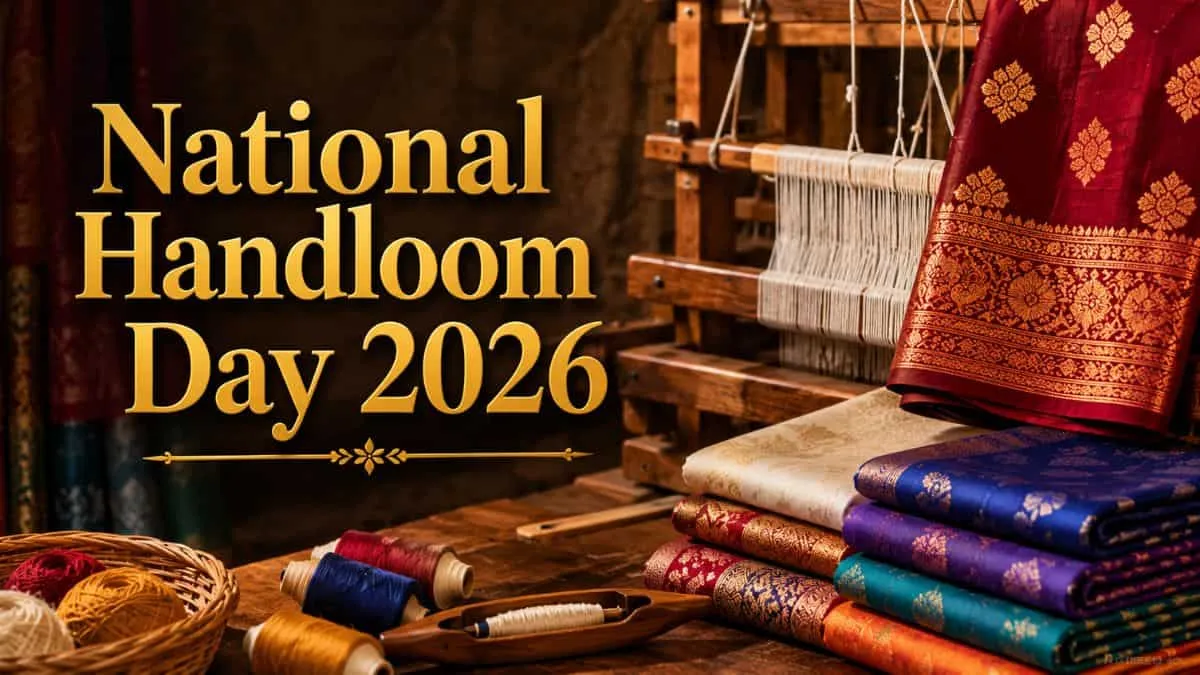
National Handloom Day 2026

National Handloom Day was observed across India on 7 August 2026 to celebrate the country’s rich handloom tradition and honour the millions of weavers who keep this centuries-old craft alive. This year marked the 12th National Handloom Day, with celebrations held across the country to recognise the contribution of handloom workers to India’s economy, culture, and traditional arts.
Thank you for reading this post, don't forget to subscribe!The day also remembers the Swadeshi Movement, which began on 7 August 1905 and encouraged people to use products made in India. Even today, the handloom sector remains an important source of employment while preserving traditional weaving techniques passed down through generations.
Why National Handloom Day Is Celebrated
National Handloom Day is observed every year on 7 August.
The Government of India first announced the celebration in 2015 to recognise the contribution of handloom weavers and promote India’s traditional textile industry.
The date was chosen because it marks the anniversary of the Swadeshi Movement, which encouraged people to support Indian-made products during the freedom movement.
Today, National Handloom Day highlights the importance of protecting India’s rich textile heritage while encouraging people to support locally made handloom products.
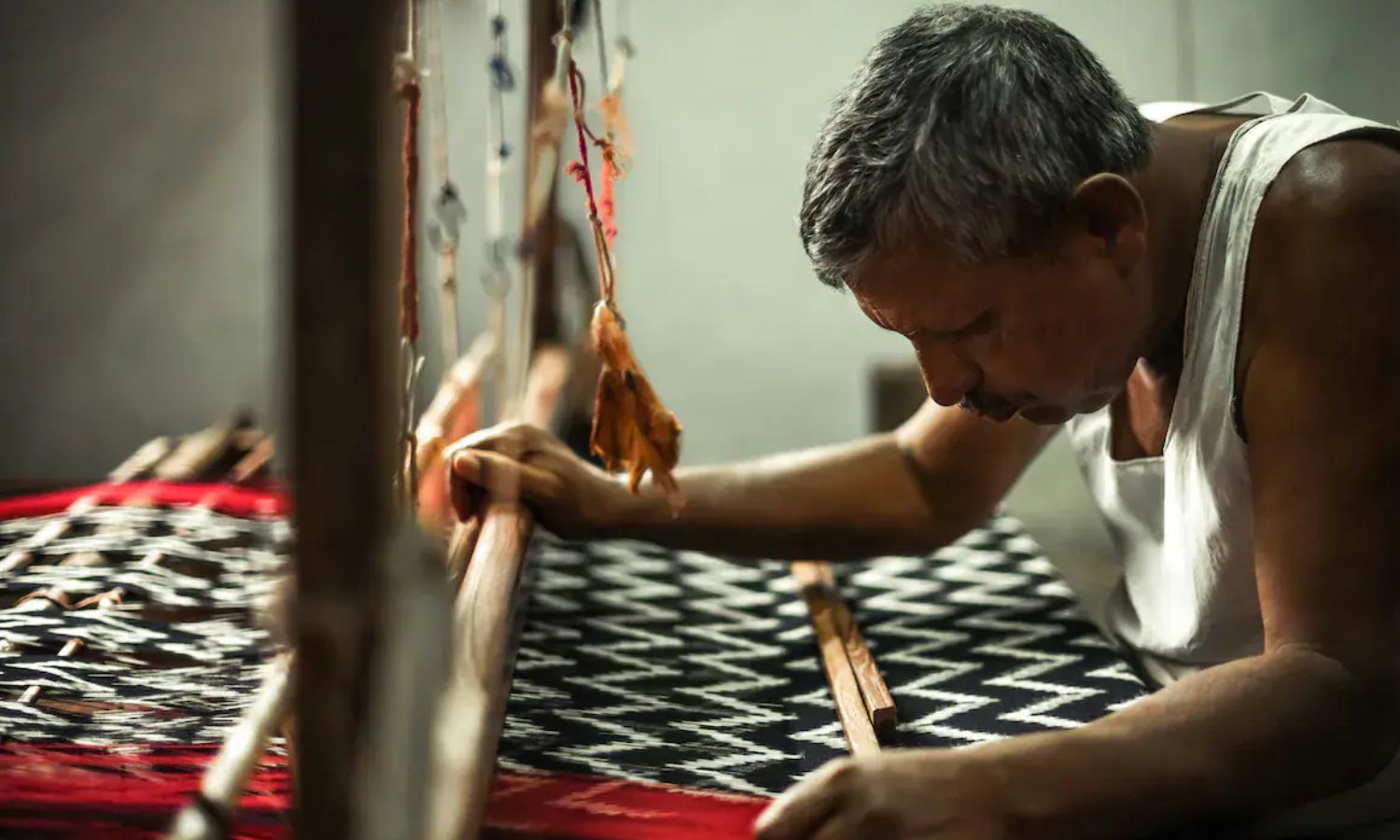
Importance of India’s Handloom Sector
India has one of the world’s oldest and largest handloom industries.
The sector provides employment to 35.22 lakh weavers and allied workers across the country.
One of its most remarkable features is the large participation of women.
According to official data:
- Around 35.22 lakh people work in the handloom sector.
- More than 72% of them are women.
- Nearly 25.46 lakh women earn their livelihood through handloom-related activities.
The industry supports thousands of rural families and plays an important role in preserving India’s cultural identity.
Government Honours Outstanding Weavers
As part of the National Handloom Day 2026 celebrations, the Union Government honoured skilled artisans with prestigious awards.
A total of 22 awards for 2025 were presented, including:
- 3 Sant Kabir Handloom Awards
- 19 National Handloom Awards
These awards recognise outstanding craftsmanship, innovation, and dedication shown by weavers from different parts of the country.
Such recognition encourages artisans to continue preserving traditional weaving techniques while introducing modern designs.
New Publications and Commemorative Stamps
The celebrations also included the release of several initiatives promoting India’s textile heritage.
The government released four commemorative postage stamps dedicated to India’s handloom tradition.
Two important publications were also launched:
- Earth. Root. Thread – Aal Dyed Handloom Textiles of Central India
- Handloom Awards Book 2025
These publications document India’s weaving traditions, award-winning designs, and regional textile craftsmanship for future generations.
Celebration at Rashtrapati Bhavan
The main National Handloom Day programme was organised at the Rashtrapati Bhavan Cultural Centre in New Delhi.
The event featured:
- Exhibition of award-winning handloom textiles
- Live weaving demonstrations
- Traditional textile displays
- Cultural presentations
Visitors also witnessed demonstrations of unique weaving styles such as:
- Kani Weaving
- Wall Hanging Weaving
These live demonstrations showcased the remarkable skills of Indian artisans and highlighted the diversity of traditional weaving methods found across different states.
e-Pehchan Portal for Weavers
One of the important government initiatives supporting the handloom sector is the e-Pehchan Portal.
Launched in January 2025, the portal provides digital identity cards for registered weavers and allied workers.
The digital system helps artisans access various government welfare schemes more easily.
By July 2026, around 84,000 additional workers had been approved under the portal, expanding its reach across the country.
The portal also improves transparency and helps maintain updated records of handloom workers.
Handloom and Sustainable Fashion
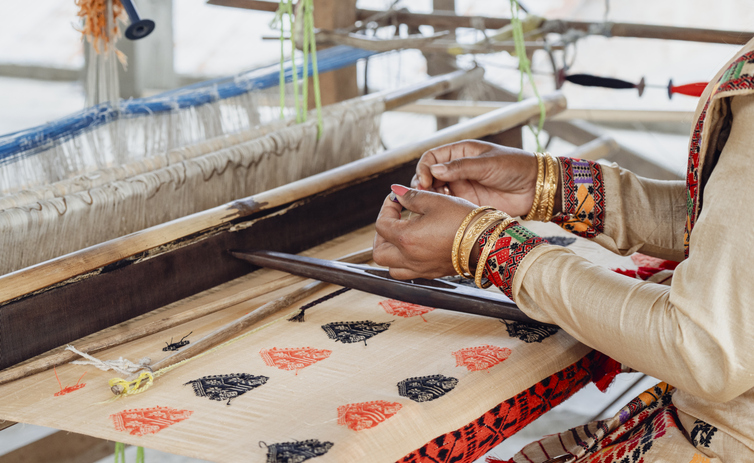
Handloom products have gained increasing importance in recent years because of the growing demand for sustainable and eco-friendly textiles.
Unlike machine-made fabrics, handloom textiles usually require less electricity and create a smaller environmental impact.
Consumers are increasingly choosing handmade fabrics because they:
- Support local artisans
- Preserve traditional crafts
- Promote sustainable production
- Encourage rural employment
Many fashion designers are also using traditional Indian handloom fabrics in modern clothing collections, helping these crafts reach global markets.
Preserving India’s Cultural Heritage
Every region of India has its own unique weaving tradition.
From Banarasi silk and Kanjeevaram sarees to Pashmina shawls and Assam’s Muga silk, Indian handloom reflects centuries of artistic excellence.
National Handloom Day reminds people about the importance of preserving these traditional skills for future generations.
Government support, digital initiatives, exhibitions, and public awareness campaigns continue to strengthen the handloom sector while creating better opportunities for artisans across the country.
The National Handloom Day celebration in 2026 once again highlighted the valuable contribution of Indian weavers, promoted traditional craftsmanship, encouraged sustainable textiles, and recognised the importance of preserving one of India’s richest cultural and economic traditions.