
India Renewable Energy Grid Challenges: Transmission Bottlenecks Threaten Growth

India Renewable Energy Grid Challenges are emerging as a critical concern as the country races to expand its renewable energy capacity. While India has made remarkable progress, increasing renewable energy generation from about 75 GW in 2015 to nearly 250 GW in 2025, the growth of transmission infrastructure has not kept pace. This mismatch between generation and grid readiness is creating curtailment, stranded capacity, financial stress for developers, and slowing down what is meant to be a cornerstone of India’s climate strategy.
Thank you for reading this post, don't forget to subscribe!Rapid Renewable Growth Outpaces Transmission
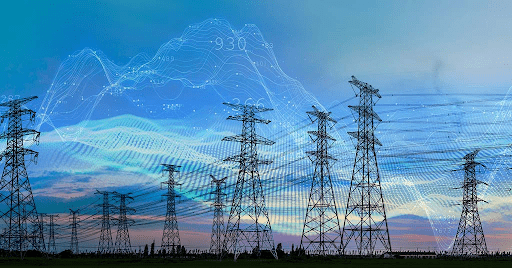
India boasts one of the world’s largest electricity transmission networks, yet renewable capacity expansion has far outstripped the grid’s ability to evacuate power efficiently. Solar and wind projects can be set up within a year, but transmission lines often take at least two years or more due to land acquisition, forest clearance, and regulatory hurdles.
Between 2019 and 2025, India’s solar capacity alone tripled from 35 GW to over 100 GW, growing at nearly 24% annually. In contrast, transmission capacity grew at a mere 6.5% over the same period. This has created a generation overshoot where renewable power exists but cannot reach demand centers, creating inefficiencies in the energy system.
Curtailment: A Hidden Brake on Growth
The consequences of this imbalance are already being felt across states. Rajasthan, for instance, experienced daytime solar curtailment of around 4 GW during several months of 2025 because of congestion in evacuation corridors. Other states, including Gujarat, Tamil Nadu, and Maharashtra, have also reported curtailments ranging from 10% to 30% of renewable generation, particularly during peak solar hours.
More concerning is the stranding of nearly 50 GW of renewable capacity nationwide due to delays in transmission links. For developers, this means lost revenue, uncertainty, and declining investor confidence. Without proper transmission infrastructure, the benefits of India’s renewable push remain limited.
Policy Measures and Their Limits
The government has implemented several initiatives to address transmission bottlenecks, including green energy corridors, General Network Access (GNA) frameworks, waivers of inter-state transmission system charges, and the “one nation, one grid, one price” policy. Despite these measures, constraints persist.
One reason is the siloed planning approach. Renewable projects are bid, awarded, and built faster than the transmission lines meant to support them. Energy storage, often considered a solution to variability and congestion, is advancing slowly due to high costs and supply chain challenges. India’s target of 400 GWh of storage by 2031–32 remains far from reach, with actual deployment still modest.
Land and Right of Way Challenges
Transmission expansion is not only a technical issue but also a social and political one. Securing the Right of Way (RoW) the legal right to use land owned by others remains a major hurdle. Even though transmission projects are generally exempt from prior environmental clearance under the Environmental (Protection) Rules, 1986, they still require approvals related to forests, wildlife, land laws, and local opposition.
Compensation for landowners remains a contentious issue. While legal norms provide relatively low compensation, landowners often demand much higher amounts, reflecting market realities. A Ministry of Power committee in 2005 recommended up to 85% of land value for severe damage and up to 15% for diminution of land value for high-voltage lines. In practice, these disputes often delay projects for years.
Legal and Environmental Gaps in India Renewable Energy Grid Challenges
The structural weaknesses in India’s transmission framework were highlighted by the Supreme Court in MK Ranjitsinh v Union of India (2024), which examined the impact of transmission lines on the endangered Great Indian Bustard. The case exposed a significant gap: the Electricity Act, 2003, does not address land acquisition for transmission lines, forcing renewable transmission to navigate a maze of overlapping laws and social contestations without a clear legal framework.
Coordination in India Renewable Energy Grid Challenges
India’s renewable energy growth is no longer limited by ambition or capital; it is constrained by coordination. Generation, transmission planning, land acquisition, environmental protection, and state-level consent all move at different speeds under different authorities. Without synchronizing renewable capacity addition with grid expansion, curtailment and stranded capacity will continue to rise.
States need to be involved early in planning, RoW compensation processes must be streamlined, environmental approvals integrated into project timelines, and transmission expansion aligned with renewable energy bidding. Only a coordinated approach can ensure that renewable power reaches the end users efficiently.
Strengthening the India Renewable Energy Grid Challenges for the Future
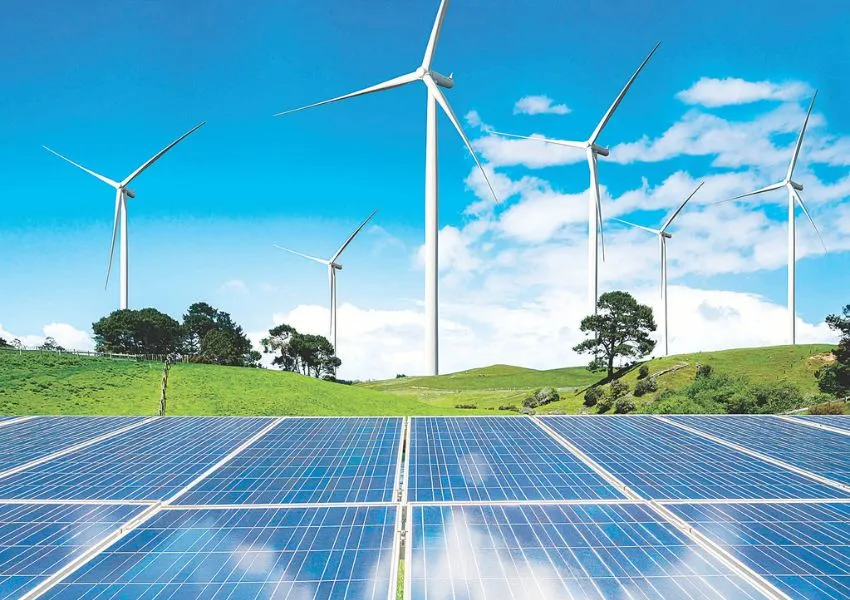
India’s energy transition cannot succeed on generation alone. A grid that cannot carry clean power limits the benefits of renewable energy just as much as a lack of generation does. Transmission infrastructure, often invisible in public discourse, is now the critical bottleneck in achieving climate and energy targets.
Addressing these challenges requires integrated planning where renewable generation, transmission corridors, storage deployment, and social acceptance are treated as interconnected components. By moving beyond fragmented policies, India can maximize the potential of its green energy investments and ensure that the renewable revolution is not hindered by an underprepared grid.