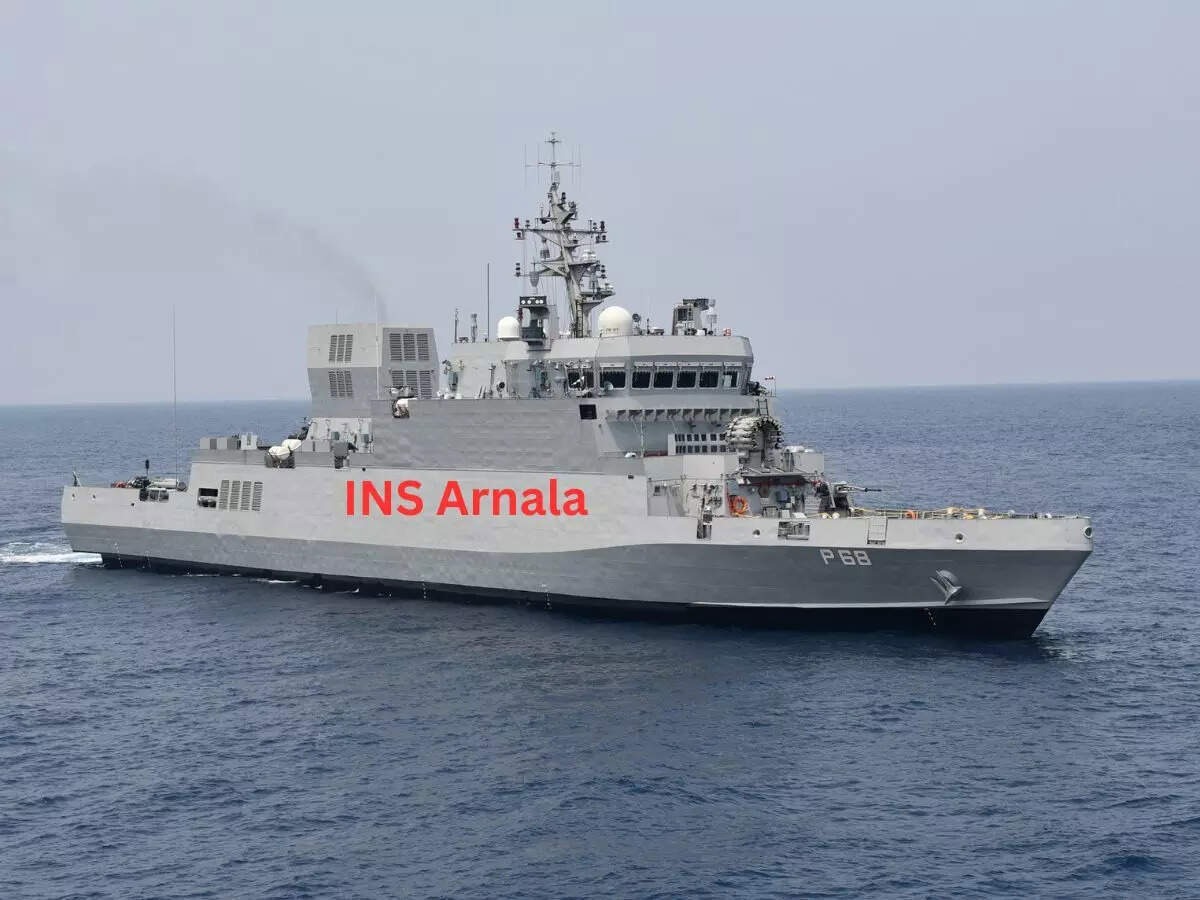
INS Arnala Naval Strength Boost: India’s First Indigenous ASW Shallow Water Craft Inducted

INS Arnala Naval Strength Boost marks a significant moment in India’s defence journey as the Indian Navy inducts its first indigenously designed and built Anti Submarine Warfare Shallow Water Craft. The induction of INS Arnala shows how India is steadily moving from being a Buyer’s Navy to becoming a Builder’s Navy. This achievement reflects the growing strength of the country’s domestic shipbuilding industry and the success of the Aatmanirbhar Bharat vision in defence manufacturing.
Thank you for reading this post, don't forget to subscribe!The commissioning of INS Arnala is not just about adding another ship to the naval fleet. It represents a major step in strengthening India’s coastal security and enhancing its ability to detect and counter submarine threats in shallow waters. With rising challenges in the maritime domain, especially in the Indian Ocean Region, the addition of such advanced vessels is a timely and strategic move.
A New Era in Coastal Defence
INS Arnala is the lead ship of a new class of Anti Submarine Warfare Shallow Water Craft designed especially for operations near the coast. Coastal and shallow waters are very different from deep seas. Detecting submarines in such areas is difficult because of complex underwater conditions. Sound waves behave differently in shallow waters, making submarine tracking more challenging.
This new class of warship is specially built to handle these challenges. INS Arnala is equipped with advanced sensors and systems that help in detecting, tracking and neutralising underwater threats. Its design allows it to operate effectively close to the shoreline, where larger warships may not be as efficient.
India has a long coastline of over 7,500 kilometres. Protecting such a vast maritime boundary requires dedicated platforms that can operate in shallow waters. INS Arnala strengthens the Navy’s ability to safeguard ports, coastal cities and critical sea lanes from potential submarine threats.
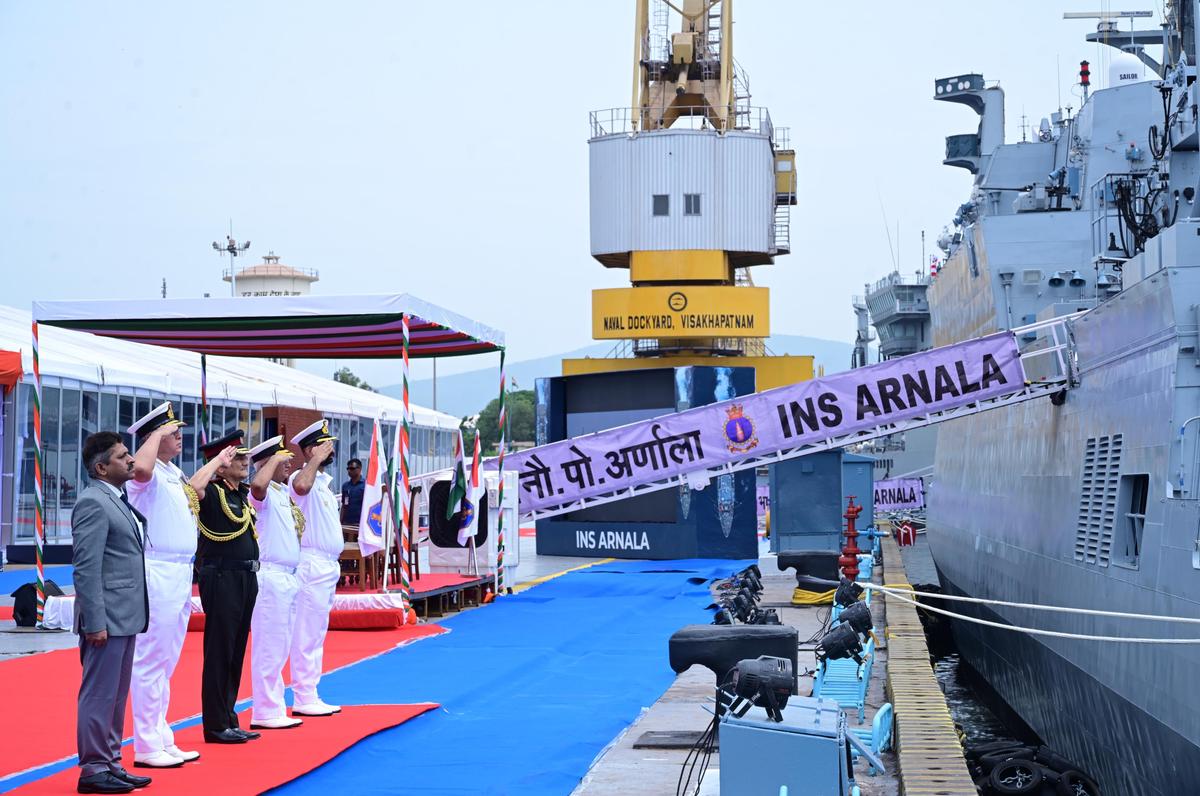
Indigenous Design and Construction Excellence
One of the most important aspects of INS Arnala is that it has been designed and built entirely in India. The ship was constructed by Garden Reach Shipbuilders & Engineers under a Ministry of Defence programme focused on promoting indigenous defence production.
The project achieved more than 80 per cent indigenous content. This means that most of the components, systems and equipment used in the ship were manufactured within the country. The construction involved close cooperation between public sector units, private companies and a wide network of Micro, Small and Medium Enterprises.
This high level of local participation has helped in building technical expertise within India. It has also generated employment and supported the growth of the domestic defence industry. The success of INS Arnala shows that India now has the capability to design and deliver technologically advanced warships without heavy dependence on foreign suppliers.
The project stands as a strong example of how government policy and industry collaboration can work together to build strategic assets for the nation.
Strengthening Anti Submarine Warfare Capabilities
Submarines are considered one of the most serious threats in modern naval warfare. They operate silently and can strike without warning. In recent years, submarine activity in the Indian Ocean Region has increased, making anti submarine warfare an important priority for the Indian Navy.
INS Arnala has been specifically developed to counter such threats in shallow and coastal waters. These areas are sensitive because they include major ports, naval bases and commercial shipping routes. A strong anti submarine presence in these zones ensures that hostile submarines cannot operate freely near India’s shores.
As the lead vessel of its class, INS Arnala sets the standard for future ships in this category. More vessels of the same class are expected to join the Navy in the coming years. Together, they will create a strong protective shield along the coastline.
The ship’s induction also improves the Navy’s overall maritime domain awareness. By strengthening surveillance and response capability, INS Arnala adds another layer of security to India’s maritime strategy.
A Symbol of Maritime Heritage and Modern Power
INS Arnala is named after the historic Arnala Fort located off the coast of Vasai in Maharashtra. The naming continues the Indian Navy’s tradition of connecting its ships with India’s rich maritime history.
Arnala Fort has historical importance as a coastal defence structure. By naming the warship after this fort, the Navy highlights the link between India’s past maritime heritage and its present naval strength. It reflects a blend of tradition and modern capability.
The name symbolises resilience, protection and strategic importance. Just as the fort once guarded the coastline, INS Arnala will now guard India’s maritime borders using modern technology and advanced warfare systems.
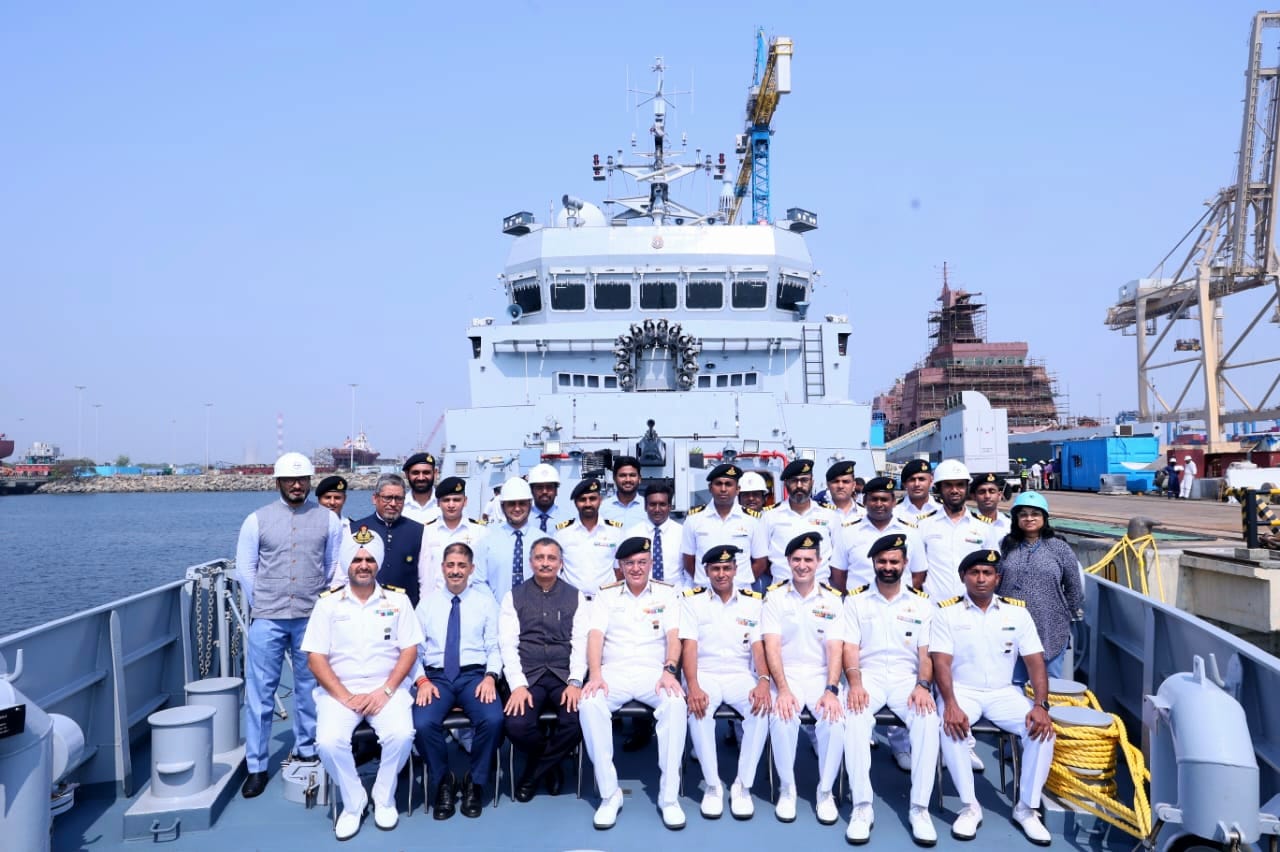
INS Arnala Naval Strength Boost to Aatmanirbhar Bharat in Defence
The induction of INS Arnala strongly supports the Aatmanirbhar Bharat mission. Self reliance in defence is important for national security. When a country depends heavily on foreign suppliers for military equipment, it can face challenges during times of crisis.
By designing and building warships like INS Arnala within the country, India reduces its dependence on imports. It also gains better control over technology, maintenance and future upgrades. This ensures long term operational readiness and strategic independence.
The project also highlights the transformation of the Indian Navy. From earlier years of importing most of its major platforms, the Navy is now actively supporting domestic design and construction. This shift from a Buyer’s Navy to a Builder’s Navy reflects confidence in India’s own industrial capabilities.
INS Arnala Naval Strength Boost is therefore not just about one ship. It represents a broader change in India’s defence approach. It shows the country’s commitment to building advanced military platforms at home, strengthening coastal defence, and enhancing maritime security in an increasingly complex regional environment.