


Anna Chakra PDS Tool: Revolutionising India’s Food Distribution System

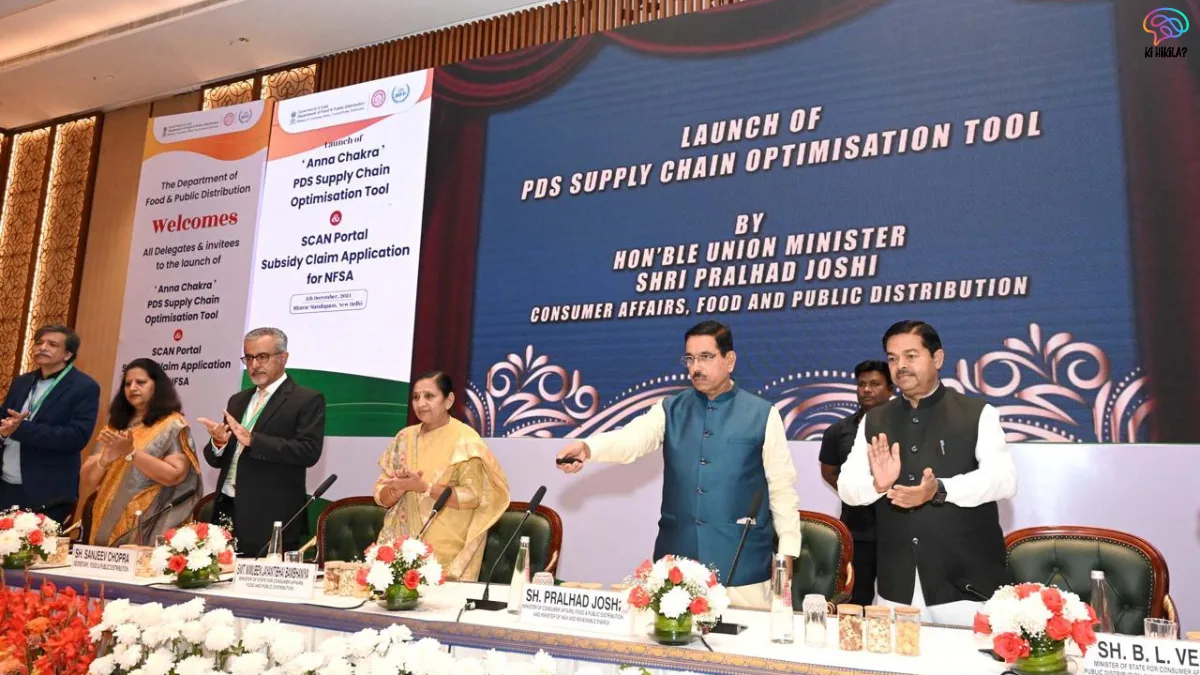
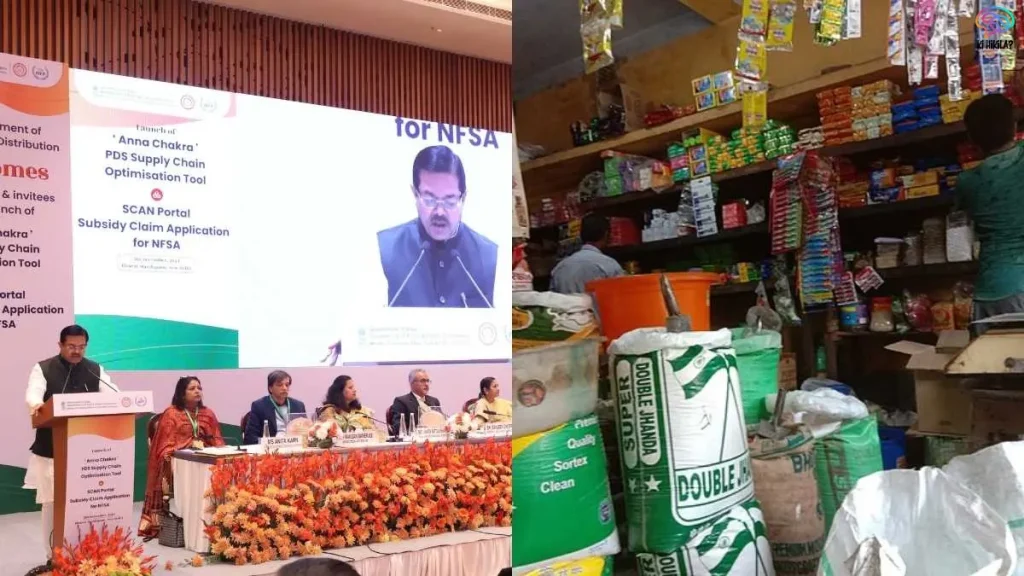
Anna Chakra PDS Tool has been implemented in 30 out of 31 states and Union Territories of India to optimise the Public Distribution System (PDS) supply chain. This groundbreaking initiative aims to improve efficiency in food grain distribution, reduce operational costs, and support environmental sustainability. With a direct impact on over 81 crore beneficiaries, the tool represents a significant step in modernising one of the world’s largest food security programmes.
Thank you for reading this post, don't forget to subscribe!Background and Recent Implementation
The Anna Chakra PDS Tool is a supply chain optimisation system jointly developed by the World Food Programme (WFP), the Foundation for Innovation and Technology Transfer (FITT) at IIT Delhi, and the Department of Food and Public Distribution. The PDS in India has historically been challenged by logistical inefficiencies, high costs, and environmental concerns.
As of 2025, 30 states and Union Territories have successfully adopted the tool, with Manipur being the only exception. This widespread adoption highlights the government’s commitment to embracing technology for welfare distribution. By using the Anna Chakra PDS Tool, authorities can better coordinate the movement of food grains from farmers to warehouses and eventually to Fair Price Shops (FPS).
Working Mechanism of Anna Chakra
At its core, the Anna Chakra PDS Tool leverages advanced algorithms to determine the most efficient routes for transporting food grains. It integrates seamlessly with the Freight Operations Information System (FOIS) of Indian Railways through the Unified Logistics Interface Platform (ULIP).
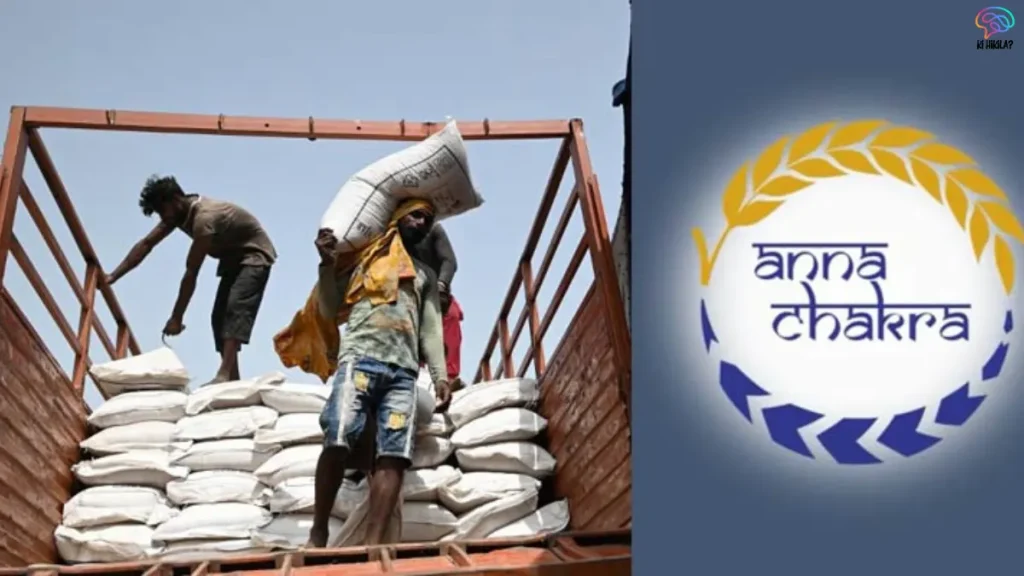
Additionally, the tool connects with the PM Gati Shakti platform, which provides geo-location data for warehouses and FPS. This integration enables precise route planning, efficient resource allocation, and minimisation of bottlenecks in the distribution chain. By combining digital mapping with algorithm-driven logistics, Anna Chakra ensures timely and cost-effective food distribution.
Scale and Coverage
The Anna Chakra PDS Tool covers an impressive network of approximately 4.37 lakh Fair Price Shops and nearly 6,700 warehouses across India. This extensive coverage ensures optimisation at multiple levels of the supply chain, from state-level hubs to district warehouses and local FPS outlets.
The scale of coverage is crucial for India’s food security programme, which serves over two-thirds of the population. By improving coordination between states and within states, Anna Chakra enhances the reliability and accountability of the PDS.
Benefits and Impact
The implementation of the Anna Chakra PDS Tool is already demonstrating measurable benefits. Key impacts include:
- Cost Savings: The system is estimated to save around ₹250 crore annually, primarily through reduced transportation expenses.
- Environmental Sustainability: Optimised routes mean lower fuel consumption and reduced carbon dioxide emissions, aligning with India’s climate commitments.
- Time Efficiency: Faster logistics operations ensure food grains reach beneficiaries more quickly, reducing delays and improving satisfaction.
- Transparency: Real-time tracking and digital integration with national platforms minimise the chances of leakages and corruption within the PDS supply chain.
These combined benefits underline how technology can transform governance, turning challenges into opportunities for sustainable development.
Integration with National Platforms
One of the most remarkable aspects of the Anna Chakra PDS Tool is its integration with national logistics platforms. By linking with PM Gati Shakti and FOIS, the tool ensures synergy between railways, roadways, and digital logistics management. This integration strengthens transparency, promotes accountability, and allows real-time monitoring of food grain movements.
The interoperability with ULIP also makes it easier for policymakers and administrators to analyse data, detect inefficiencies, and make informed decisions. This digital backbone can be scaled to other welfare distribution systems, setting a precedent for the future of public administration.
Future Prospects
Looking ahead, the Anna Chakra PDS Tool has the potential to serve as a model for other public welfare schemes requiring supply chain optimisation. With its proven efficiency in food grain distribution, similar tools could be developed for healthcare, education, or agricultural inputs.
The government is also exploring how machine learning and artificial intelligence can further enhance the tool’s predictive capabilities. For instance, integrating weather forecasts and crop yield data could allow proactive planning for food grain distribution in disaster-prone regions.
Conclusion
The successful implementation of the Anna Chakra PDS Tool across most Indian states marks a new era in public distribution management. By combining technology, innovation, and sustainability, India is not only strengthening food security but also setting an example for digital governance.
This tool demonstrates how modern logistics solutions can deliver tangible benefits—lower costs, reduced emissions, faster service, and improved transparency. As India continues to modernise its welfare systems, the Anna Chakra PDS Tool stands out as a model for how technology can empower governance, support citizens, and protect the environment.