


India-US-Russia Relations Post-2025 Summit: Navigating Strategic Challenges

India-US-Russia Relations Post-2025 Summit face a complex and uncertain future following the August 2025 Alaska Summit between United States President Donald Trump and Russian President Vladimir Putin. While the summit was presented as a landmark in global diplomacy, its outcomes offer little clarity or advantage for New Delhi, leaving India to recalibrate its foreign policy strategy in the face of mounting geopolitical pressures.
Thank you for reading this post, don't forget to subscribe!India-US-Russia Relations: Alaska Summit Overview
The Alaska Summit was marked by cordial exchanges but lacked substantive policy breakthroughs. India had hoped the summit would ease US pressure over its ties with Russia, especially concerning oil imports. Expectations included a rollback of US secondary sanctions targeting India’s Russian oil purchases and a revival of stalled India-US trade talks. However, these hopes were largely unmet, as the US maintained a firm stance. Trump’s senior advisor, Peter Navarro, reaffirmed punitive tariffs and insisted on compliance with US trade policies, leaving India with limited leverage.
Despite warm rhetoric, the summit highlighted the gap between diplomatic optics and practical outcomes. India’s strategic concerns were largely sidelined in the broader US-Russia negotiation framework, exposing vulnerabilities in New Delhi’s reliance on external diplomatic interventions.
US Sanctions and Trade Tensions
Secondary sanctions imposed by the US on India for continuing to buy Russian oil have added significant strain. A 25% tariff on select Indian goods has compounded trade tensions, affecting key sectors of the Indian economy. Reciprocal tariffs also remain in place, limiting India’s ability to negotiate concessions or expand market access.
Observers note that US measures appear more focused on geopolitical signaling than on consistent trade policy. While US-Russia trade volumes are comparatively low, China continues to import large amounts of Russian oil without similar pressure. India’s refusal to credit Trump for mediating the India-Pakistan ceasefire has further complicated bilateral interactions, illustrating the delicate balancing act New Delhi faces in maintaining strategic autonomy while managing US expectations.
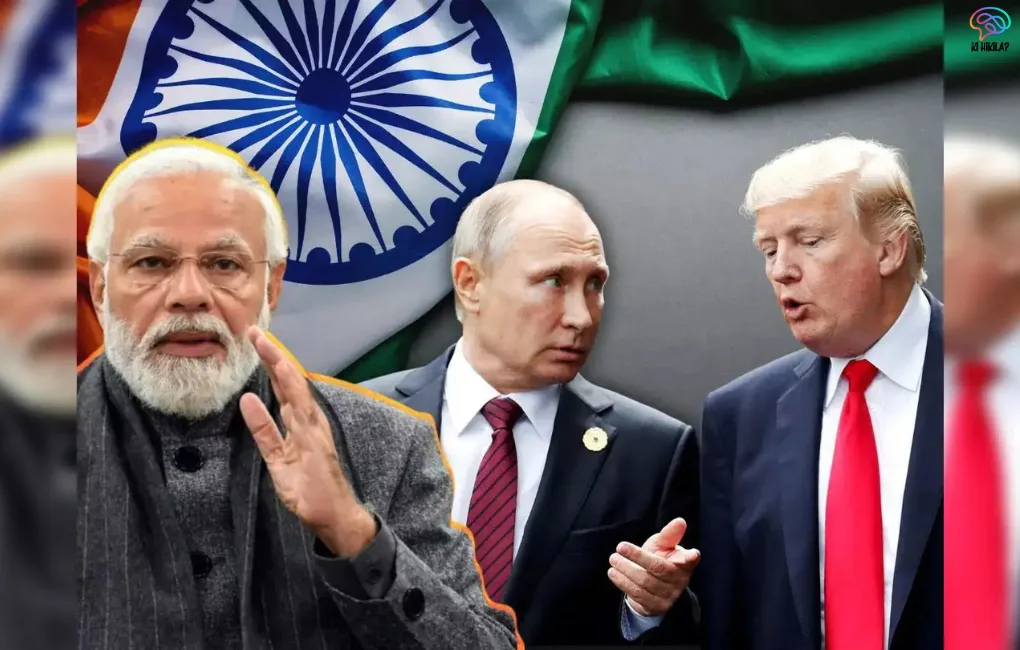
India’s Diplomatic Challenges
The Alaska Summit underscores the limitations of personal diplomacy under Prime Minister Narendra Modi’s leadership. High-profile engagements with US, Chinese, and Russian leaders have often generated media attention but yielded limited tangible results in protecting India’s core economic and strategic interests.
India’s inability to prevent policy setbacks at the summit highlights the need for prioritizing substantive agreements over ceremonial diplomacy. The experience reinforces that relying on individual rapport with foreign leaders cannot substitute for institutionalized, treaty-based mechanisms or multilateral support in managing complex international pressures.
Strategic Autonomy and Global South Support
India’s approach of adhering strictly to UN-mandated sanctions has been tested repeatedly. Earlier compliance with US demands on Iranian and Venezuelan oil may have inadvertently encouraged further pressure on Russian oil imports. By resisting such demands, India has strengthened its reputation among Global South countries, affirming its strategic autonomy.
This posture, however, carries economic risks. Maintaining energy security and defending sovereign policy choices in the face of US tariffs requires careful management of domestic economic impacts while continuing to engage with multiple global partners. India’s balancing act demonstrates the challenges of preserving independence while remaining an active participant in global diplomacy.
Future Diplomatic Directions for India-US-Russia Relations
Looking ahead, India’s foreign policy will need to be more assertive and diversified. Upcoming engagements include visits to Japan, China, the US, and South Africa, as well as hosting the Quad Summit. These forums offer opportunities to strengthen multilateral partnerships, reduce dependence on any single power, and hedge against unilateral pressures.
In addition, India must pursue pragmatic solutions to mitigate the economic impact of US tariffs and sanctions. Negotiating trade agreements, exploring alternative energy sources, and leveraging partnerships with other Global South nations are essential strategies to maintain sovereignty while ensuring economic resilience.
Conclusion
India-US-Russia Relations Post-2025 Summit reveal both the challenges and opportunities of contemporary geopolitics. While the Alaska Summit failed to provide immediate relief to India’s strategic and economic concerns, it offers lessons for future diplomatic engagements. India’s focus on strategic autonomy, multilateral cooperation, and diversified partnerships will be crucial in navigating the evolving international landscape.
By combining assertive diplomacy with pragmatic economic policies, India can safeguard its interests, maintain global credibility, and continue to balance its relations with both the US and Russia in a rapidly changing geopolitical environment.