


Dronathon 2026 Tests Drone Warfare

Dronathon 2026 will be organised by the Indian Air Force (IAF) at the Pokhran range in Jaisalmer, Rajasthan, from 14 to 16 September 2026. The three-day event will focus on unmanned aerial systems and counter-drone technologies for military use. It comes at a time when drones are becoming an important part of modern warfare, surveillance and battlefield operations.
The event will bring together defence manufacturers, technology companies, startups and innovators working on unmanned systems. The IAF will use the event to examine how different drone technologies perform in realistic operational conditions.

Dronathon 2026 Focuses on Unmanned Systems
The main focus of Dronathon 2026 will be Unmanned Aerial Systems, commonly known as UAS. These are aircraft that operate without a human pilot sitting inside the aircraft.
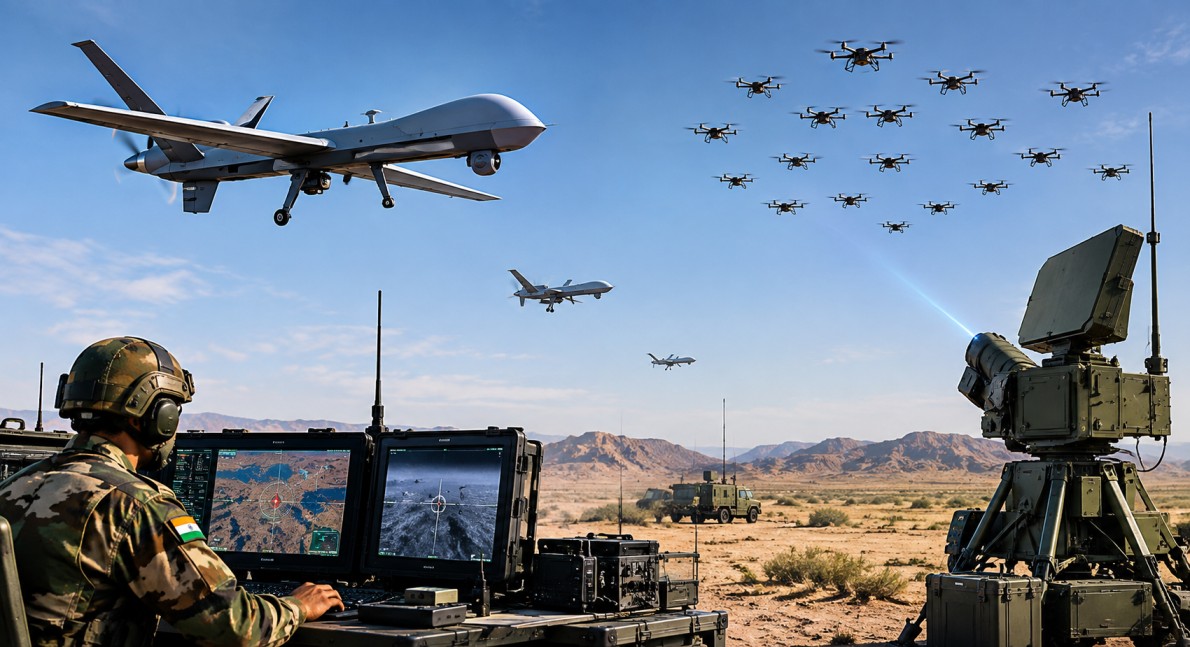
A complete UAS can include the unmanned aircraft, a ground control station, communication equipment and different types of payloads. Depending on their purpose, drones can carry cameras, sensors, communication equipment or other military payloads.
Military drones can be used for surveillance and reconnaissance, allowing forces to collect information about terrain, movements and activities from the air. Their ability to remain in the air for extended periods can make them useful for monitoring large areas.
Counter-Drone Technology
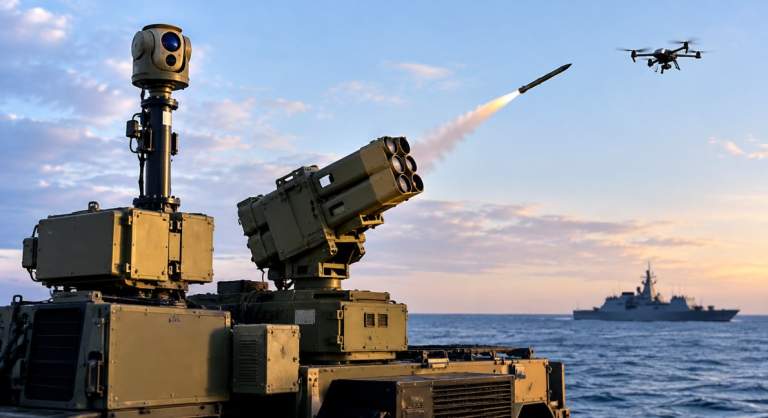
Another major part of Dronathon 2026 will be Counter-Unmanned Aerial Systems, or CUAS. These technologies are designed to identify and respond to hostile or unauthorised drones.
Counter-drone systems can use radar, radio-frequency sensors and other detection technologies to locate an unmanned aircraft. After detection, systems may track and identify the drone before taking action against it.
Different counter-drone technologies can include electronic jamming, directed-energy systems and physical interception. The choice of technology depends on the type of drone, its range, speed and the nature of the threat.
The growing use of small and low-cost drones has made counter-drone technology an increasingly important area for military forces around the world.
Pokhran Range in Rajasthan
The Dronathon 2026 event will take place at the Pokhran range in Jaisalmer district of Rajasthan. The area is known for military testing and field exercises.
The open desert terrain provides a suitable environment for testing unmanned systems over large distances. Restricted access to the range also allows military organisations to conduct controlled demonstrations and trials.
The Pokhran area has previously been used for weapons testing and other defence-related activities. Its location in western Rajasthan also makes it strategically important for India’s defence planning.
Live Demonstrations and Tactical Tests
Dronathon-2026 is expected to include static displays as well as live tactical demonstrations. These activities will allow participants to demonstrate how unmanned systems work in different situations.
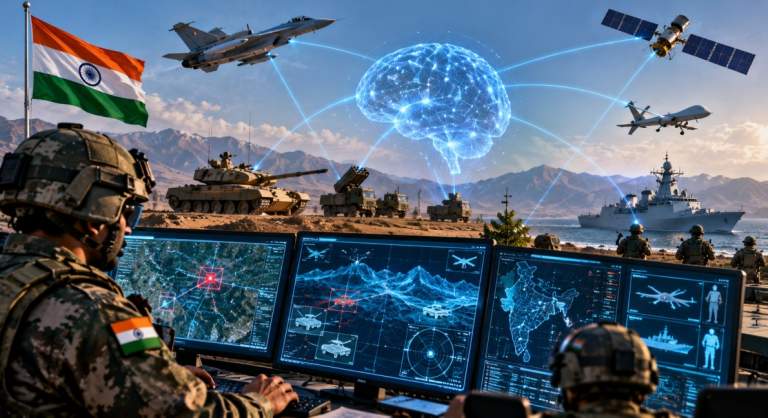
The testing will cover areas such as surveillance, reconnaissance and autonomous flight. Drone systems may also be assessed in environments where electronic warfare can affect communication and navigation.
Autonomous drones can perform certain tasks with limited direct control from an operator. This technology is becoming more important as militaries explore systems that can respond quickly and operate in difficult environments.
Swarm Drones Gain Attention
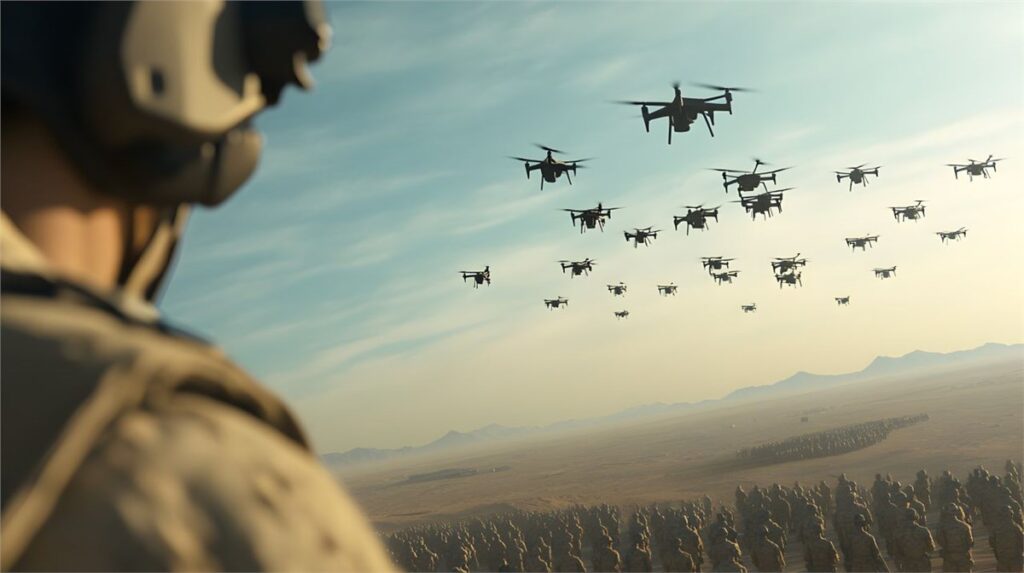
One of the important areas being highlighted by the IAF is swarm drone technology. A drone swarm involves multiple unmanned aircraft working together as a coordinated group.
Instead of relying on a single drone, a swarm can involve many smaller platforms sharing information or following coordinated instructions. Advanced systems may use software and autonomous algorithms to manage the movement of multiple drones.
Swarm technology has attracted international attention because large groups of relatively small drones can create complex challenges for traditional defence systems.
Testing such systems can help military planners understand their advantages as well as the challenges involved in detecting and responding to them.
Electronic Warfare and Drone Operations
Electronic warfare will also be relevant during Dronathon 2026. Modern drones often depend on communication links, navigation systems and electronic signals.
Electronic warfare involves using the electromagnetic spectrum for military purposes. This can include detecting signals, disrupting communications or interfering with electronic systems.
For drones, electronic interference can affect communication between the aircraft and its operator. It can also create challenges for navigation and data transmission.
Testing unmanned systems under such conditions can provide useful information about their reliability and ability to operate when communication networks are disrupted.
Growing Role of Defence Startups
Dronathon 2026 is also expected to provide an opportunity for Indian defence startups and manufacturers to showcase new technologies. India’s defence sector has seen increasing participation from private companies and technology startups in recent years.
The development of indigenous drone systems is part of the country’s wider push to increase domestic defence manufacturing. Companies are working on surveillance drones, autonomous systems, counter-drone equipment and other technologies.
Such events can give developers an opportunity to demonstrate their products directly to military users and understand operational requirements.
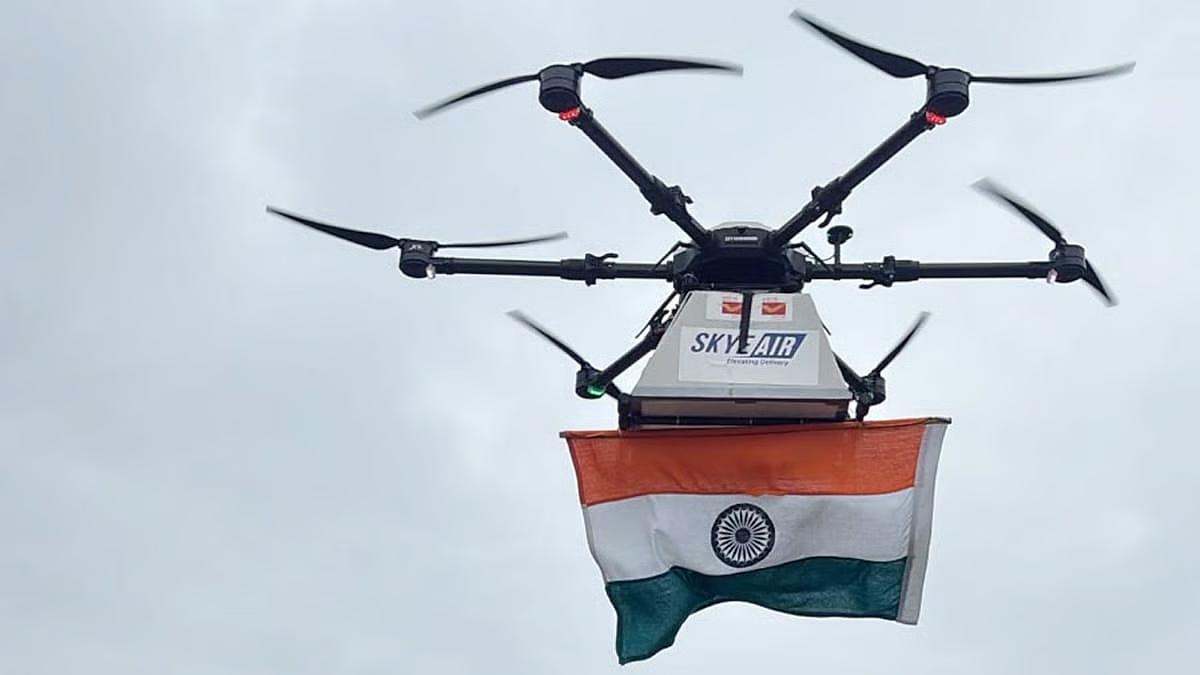
Drones in Modern Warfare
The growing importance of drones has changed the way military operations are planned. Unmanned systems can perform tasks that may otherwise expose human personnel to danger.
Recent conflicts around the world have shown the growing use of drones for surveillance, reconnaissance, targeting and battlefield support. At the same time, militaries are investing in systems that can detect and stop hostile drones.
This has created a continuing technology race between drone developers and counter-drone specialists. Improvements in sensors, artificial intelligence, communications and autonomous flight are expected to influence the next generation of unmanned military systems.
With Dronathon 2026, the Indian Air Force will bring several of these technologies together for demonstrations and operational testing at the Pokhran range from 14 to 16 September 2026.