


VAMPIRE System for US Navy

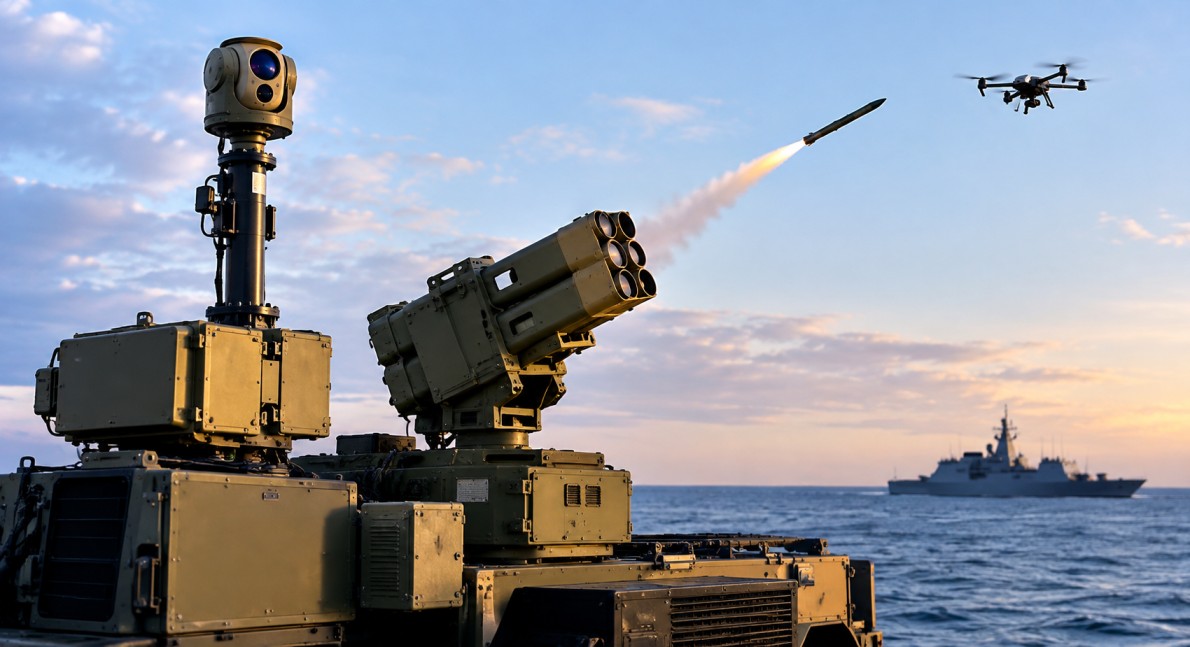
VAMPIRE System has been selected by the United States Navy for coastal and littoral defence, adding another counter-unmanned capability to its efforts to respond to growing drone threats. The system was selected on 8 September 2026 and is developed by L3Harris Technologies, a US defence technology company based in Melbourne, Florida.
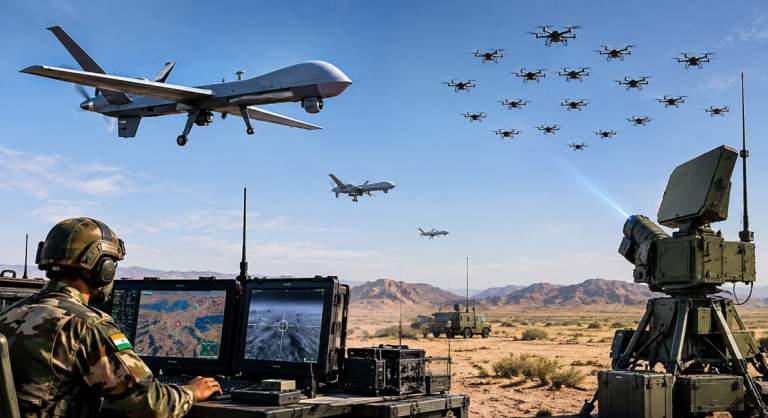
The selection comes as military forces are paying greater attention to small drones and other unmanned platforms. Recent conflicts have shown how relatively low-cost drones can be used for surveillance, targeting and attacks. This has increased demand for systems that can quickly detect and respond to such threats.

What Is the VAMPIRE System?
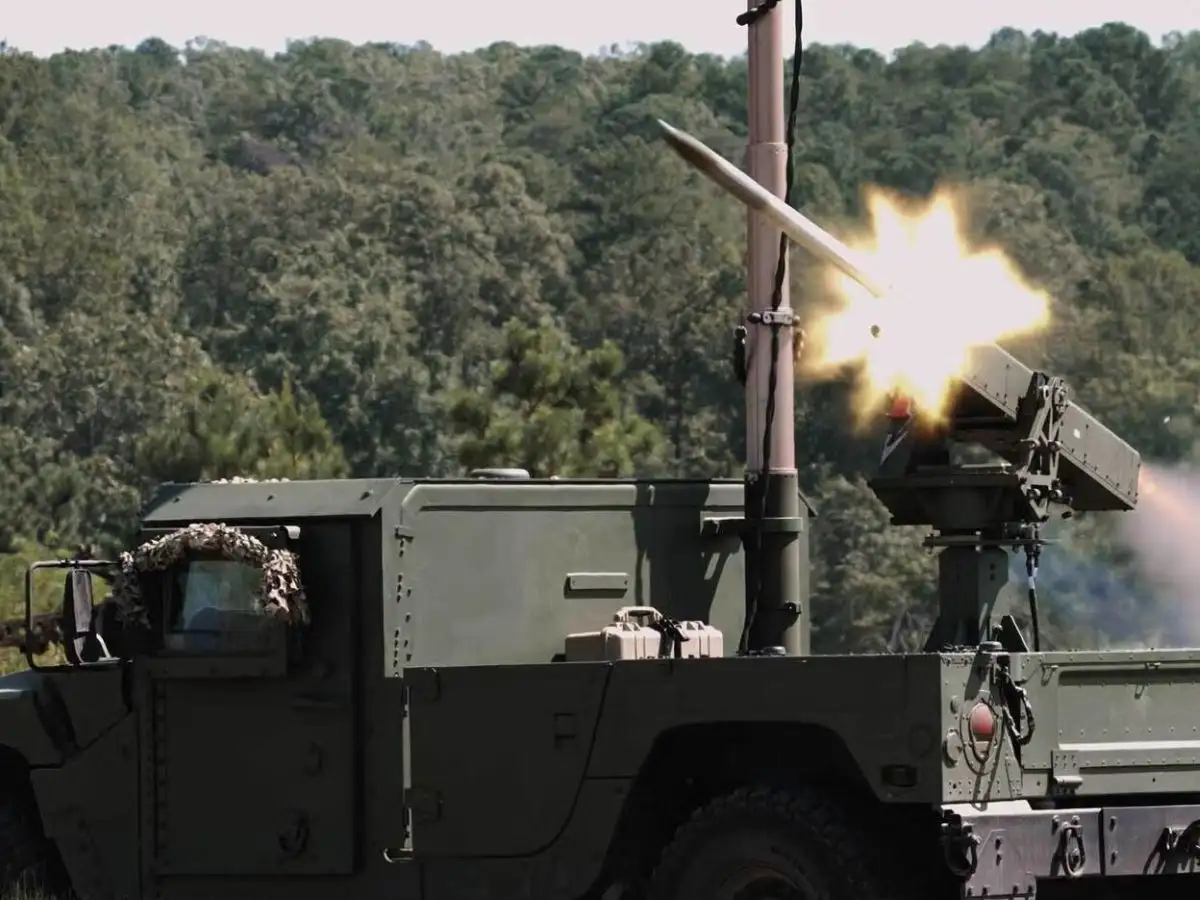
The VAMPIRE System is a modular counter-unmanned platform designed to operate from different vehicle types. Its full name is Vehicle-Agnostic Modular Palletized ISR Rocket Equipment.
The system combines sensors, target-tracking equipment and precision weapons on a compact platform. It is designed to provide a flexible option for forces operating in areas where conventional air-defence systems may not always be suitable.
VAMPIRE can be configured for different missions and platforms. This vehicle-agnostic approach means that the equipment can be adapted for use on different vehicles rather than being permanently tied to one specific platform.
How the System Detects Targets
A key component of the VAMPIRE system is the WESCAM MX-10D RSTA sensor. The system uses electro-optical and infrared technology to observe and track targets.
The sensor is mounted on a telescopic mast, giving operators an elevated view of the surrounding area. It supports digital target tracking and laser designation, helping the system identify and follow objects before an engagement.
Electro-optical and infrared sensors are widely used in modern military systems because they can provide visual information in different lighting conditions. Infrared technology can also help operators detect objects based on heat signatures.
Laser-Guided Rocket Capability
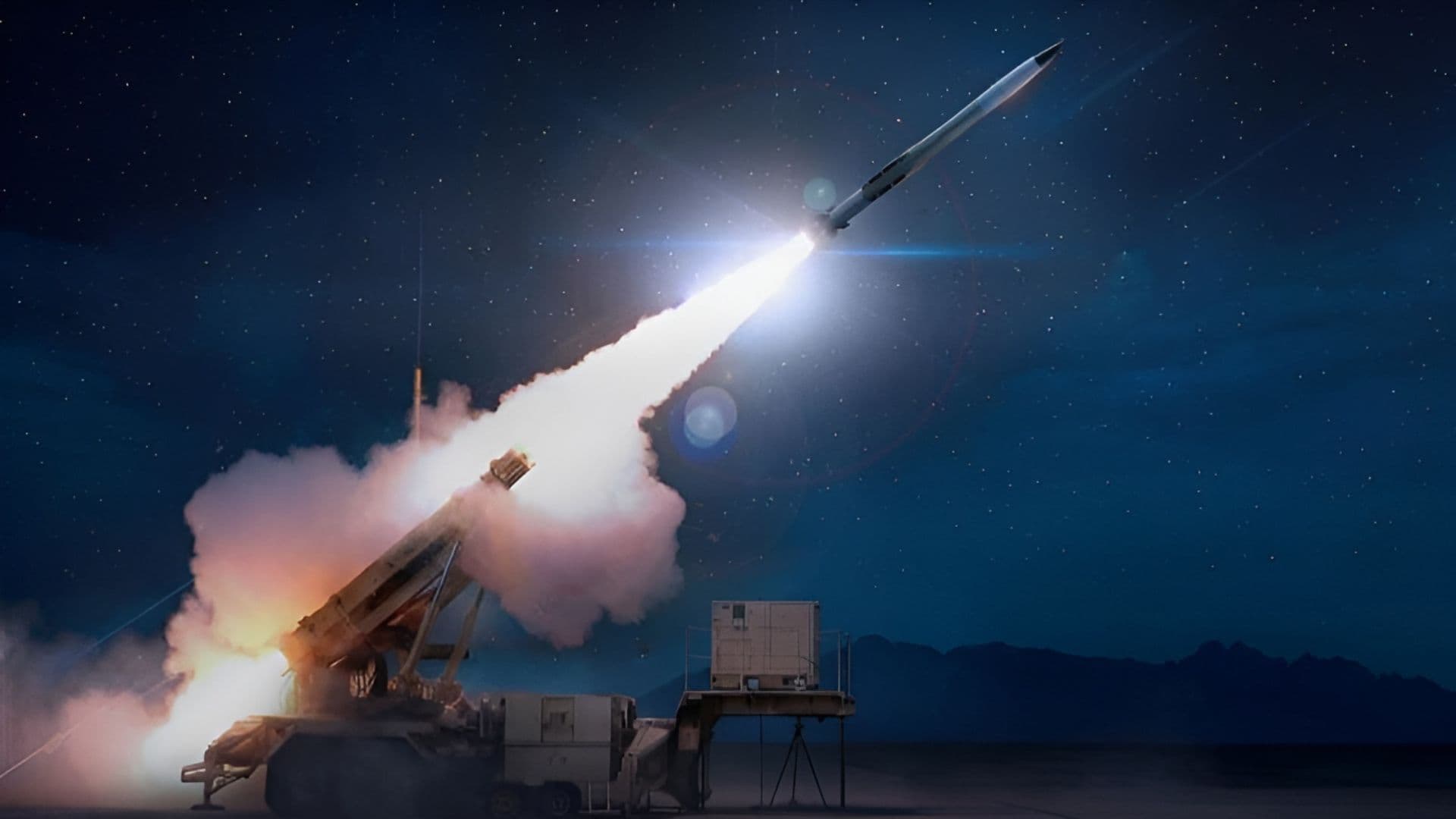
The VAMPIRE platform uses 70 mm AGR-20A Advanced Precision Kill Weapon System rockets, commonly known as APKWS rockets. These are laser-guided rockets designed to improve accuracy compared with conventional unguided rockets.
The use of guided rockets gives the system a precision engagement capability. The system can be used against different types of threats depending on its configuration and operational requirements.
VAMPIRE is therefore not simply a drone-detection system. It combines surveillance, target tracking and a weapon capability within a single modular platform.
Focus on Coastal Defence
The US Navy’s selection of VAMPIRE is particularly relevant to coastal and littoral environments. Littoral areas are zones where land and sea operations meet, creating a complex environment for military forces.
Ships, coastal installations and other maritime assets can face threats from drones approaching from the air or from nearby land and sea areas. A mobile counter-unmanned system can provide an additional layer of protection in such environments.
L3Harris is also working to make the VAMPIRE platform more suitable for maritime operations. This includes strengthening the system for exposure to difficult environmental conditions such as saltwater, moisture and harsh weather.
Maritime Variant and Unmanned Platforms
L3Harris has developed a maritime version called Black Wake. The platform is intended for use on both crewed and uncrewed vessels.
This development reflects the growing interest in autonomous and remotely operated military platforms. Uncrewed vessels can perform certain missions without placing sailors directly in dangerous areas.
Combining an unmanned or remotely operated vessel with counter-drone technology could provide military forces with additional options for monitoring and protecting coastal areas.
Mission Management and Air Defence
VAMPIRE is designed to operate with the Widow Mission Management System. The system is compliant with the Forward Area Air Defense Command and Control architecture, also known as FAADC2.
Command-and-control systems are important because modern air defence often involves multiple sensors and weapons working together. Information from different sources can be used to identify potential threats and support decisions about how to respond.
For a counter-drone system, fast detection and tracking can be particularly important because small unmanned aircraft may be difficult to identify and can travel at relatively low altitudes.
Growing Counter-Drone Demand
The selection of the VAMPIRE System comes during a period of rapid development in counter-unmanned technology. Militaries around the world are looking for ways to protect troops, ships, bases and critical infrastructure from increasingly capable drones.
The challenge is not limited to large military drones. Small commercial-style quadcopters and other low-cost unmanned aircraft have also become part of modern security concerns.
This has encouraged defence companies to develop systems that combine cameras, infrared sensors, radar, electronic technologies and physical weapons. The aim is to create layered protection against different types of unmanned threats.
Contract Details Remain Limited
The US Navy has not publicly disclosed the value of the VAMPIRE contract, the total number of systems being ordered or the delivery schedule. The exact VAMPIRE configuration selected by the Navy has also not been specified.
Further details about deployment, testing and integration are expected to become clearer as the programme develops. The Navy’s selection nevertheless highlights the growing importance of mobile counter-drone systems in coastal and maritime defence.