West Bengal Marine Worm Discovery Reveals Hidden Life Along Polluted Coast

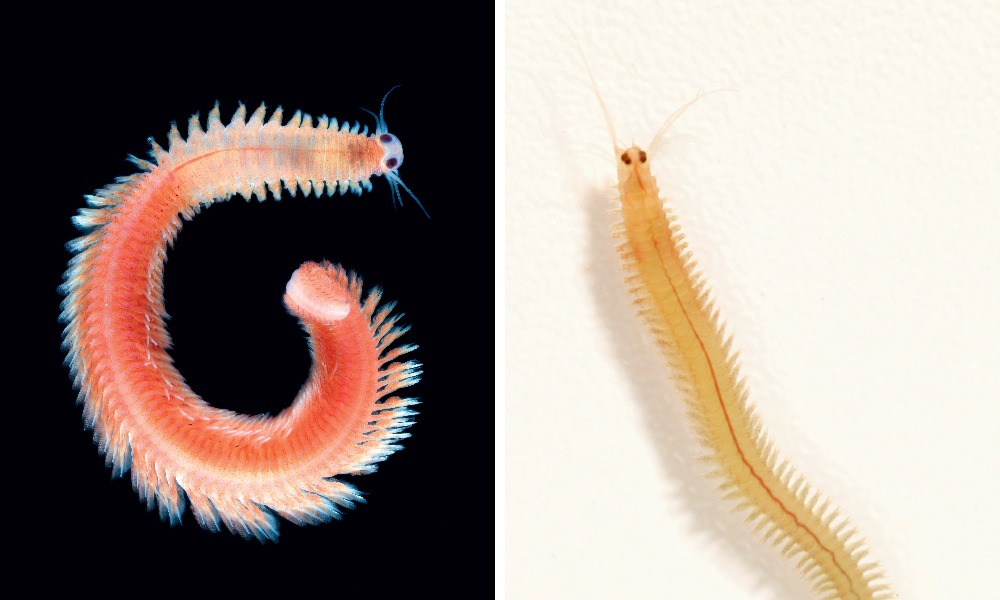
West Bengal Marine Worm Discovery has brought exciting news from the eastern coastline of India, where scientists have identified two new species of marine worms in areas affected by pollution and human activity. The discovery highlights the rich but often unnoticed biodiversity of the northern Bay of Bengal and shows that marine ecosystems can survive even under environmental stress.
Thank you for reading this post, don't forget to subscribe!The findings were made along the Digha and Bankiput coasts in the Purba Medinipur district of West Bengal. These coastal regions are known for tourism, fishing, and increasing industrial pressure. Despite these challenges, researchers found that unique marine life continues to exist beneath the surface of muddy flats and sandy shores.
Discovery in Polluted Coastal Zones
The research was carried out by scientists from the Zoological Survey of India in collaboration with experts from Mexico’s CICESE. The team conducted detailed field studies along the northern Bay of Bengal coastline, carefully collecting samples from mudflats, sandy beaches, and submerged wooden structures.
Digha and Bankiput are important coastal areas but face serious environmental pressure. Industrial waste, plastic pollution, sewage discharge, and coastal construction have affected these marine habitats over the years. However, the presence of new marine worm species in such stressed environments shows that some organisms are highly adaptable and resilient.
Scientists explained that these findings reveal how much remains unknown about India’s marine biodiversity. Even in polluted areas, life continues to evolve and survive in surprising ways.
Scientific Description and Naming
The discovery was officially documented in the UK based Journal of Natural History. The research paper was titled “Description of Two New Species of Nereidids from West Bengal, India, Bay of Bengal.” The detailed study provided scientific descriptions, physical characteristics, and habitat information about the two newly identified species.
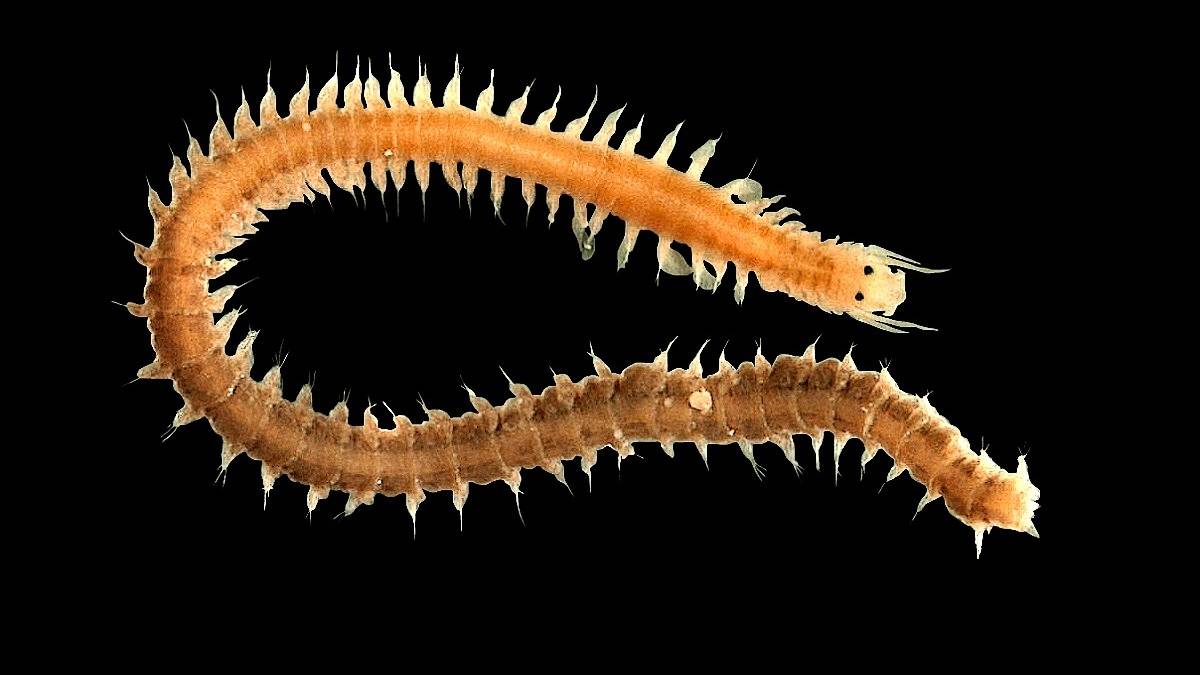
The first species has been named Namalycastis solenotognatha. Its name comes from Greek words that refer to its unique channeled jaw structure. This special jaw feature helps scientists differentiate it from other similar species in the nereidid family.
The second species has been named Nereis dhritiae in honour of Dhriti Banerjee, who is the first woman director of the Zoological Survey of India. Naming a species after her recognizes her contribution to zoological research and biodiversity studies in India.
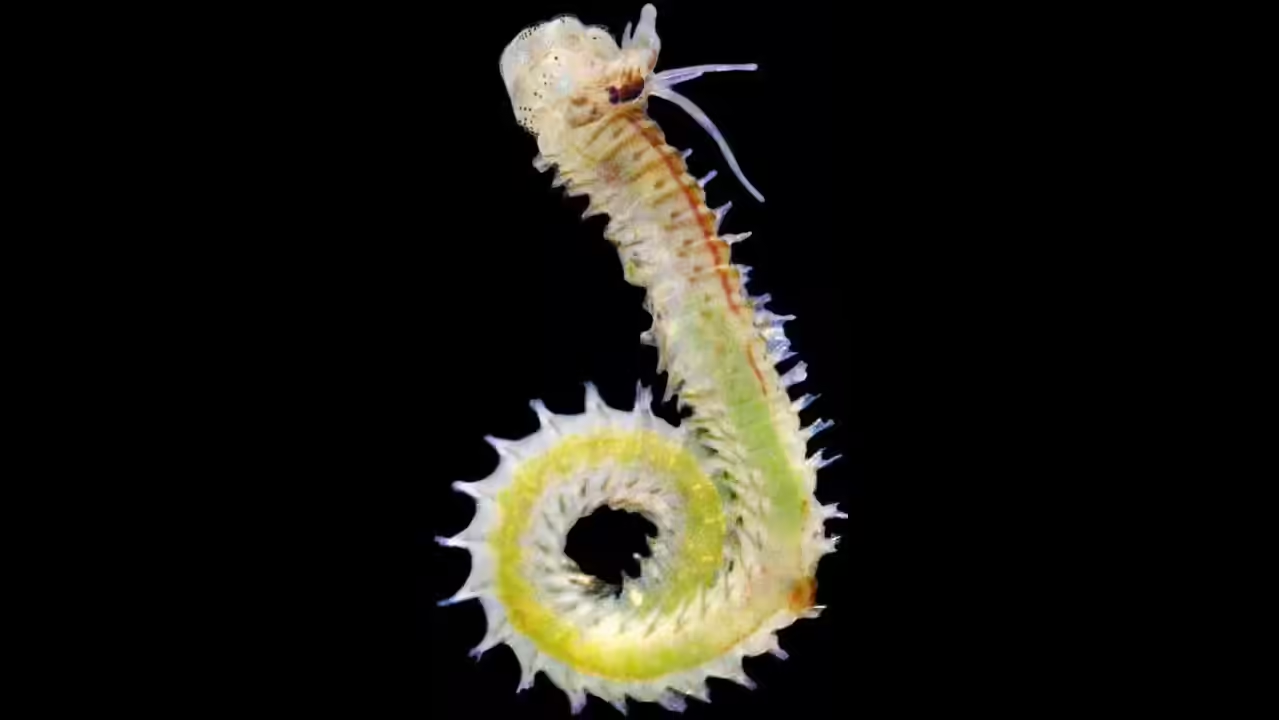
Both species belong to a group of marine worms known as nereidids. These worms are part of a larger group called polychaetes, which are commonly found in marine environments around the world.
Life in Extreme Habitats
One of the most interesting parts of the West Bengal Marine Worm Discovery is the type of habitat where these worms were found. Researchers discovered Namalycastis solenotognatha in sulfide rich, foul smelling mudflats. These mudflats often contain decomposing mangrove wood and hardened clay. Such conditions may seem unsuitable for life, but this species has adapted to survive in this challenging environment.
On the other hand, Nereis dhritiae was found living inside submerged wooden dock piles along sandy beaches. These structures are often covered by seawater during high tide. The worm survives by hiding inside the wood, where it finds protection and food.
The ability of these worms to live in such harsh conditions shows their strong adaptability. It also suggests that marine organisms may have natural mechanisms to cope with pollution and environmental stress.
Role in Coastal Ecosystems
Marine worms like these play an important role in maintaining the health of coastal ecosystems. Nereidid worms are known for their role in nutrient cycling. As they move through sediments, they help break down organic matter and release nutrients back into the ecosystem.
Another important function is sediment aeration. By burrowing into the mud and sand, these worms allow oxygen to reach deeper layers of sediment. This process supports other marine organisms and improves overall ecosystem health.
Because of these roles, polychaete worms are often considered bioindicators. A bioindicator is a species that helps scientists understand the condition of an environment. If such species are present and thriving, it may indicate that the ecosystem still has the ability to support life despite pollution.
The discovery of these two species suggests that even heavily impacted coastal zones in the northern Bay of Bengal still hold ecological value.
Significance for Marine Research
The West Bengal Marine Worm Discovery is important not only for biodiversity records but also for future environmental monitoring. Scientists believe that studying these species further may provide insights into how marine organisms adapt to pollution.
The presence of these worms in degraded habitats shows ecological resilience. However, experts also warn that resilience has limits. Continued pollution and habitat destruction could eventually threaten even the most adaptable species.
This discovery also highlights the importance of regular scientific surveys. Many marine species remain undocumented, especially in regions that are not frequently studied. The northern Bay of Bengal is one such region, where rapid development and climate change are affecting coastal ecosystems.
By documenting new species, researchers help build a stronger understanding of India’s marine wealth. This knowledge can support conservation planning, pollution control measures, and sustainable coastal management.
Need for Better Coastal Monitoring
The findings encourage stronger monitoring of coastal ecosystems in West Bengal and other parts of India. Scientists emphasize that protecting biodiversity requires consistent research, public awareness, and policy support.
The Zoological Survey of India continues to play a key role in identifying and documenting India’s fauna. Collaborative research with international institutions like CICESE also strengthens scientific knowledge and global cooperation.
The discovery serves as a reminder that even in areas facing environmental stress, nature can still surprise us. Hidden beneath muddy flats and wooden docks, new forms of life continue to exist, waiting to be studied and protected.
The West Bengal Marine Worm Discovery not only adds two new species to the scientific record but also sends a strong message about the resilience and importance of marine ecosystems along India’s eastern coast.