China Compressed-Air Storage Plant: World’s Largest Project Begins Operations in Jiangsu

China Compressed-Air Storage Plant has officially begun operations in Jiangsu province, marking a significant milestone in the country’s ongoing green energy transition. This world-leading facility demonstrates China’s commitment to balancing renewable energy growth with stable electricity supply, offering a glimpse into the future of large-scale energy storage.
Thank you for reading this post, don't forget to subscribe!Project Scale and Significance
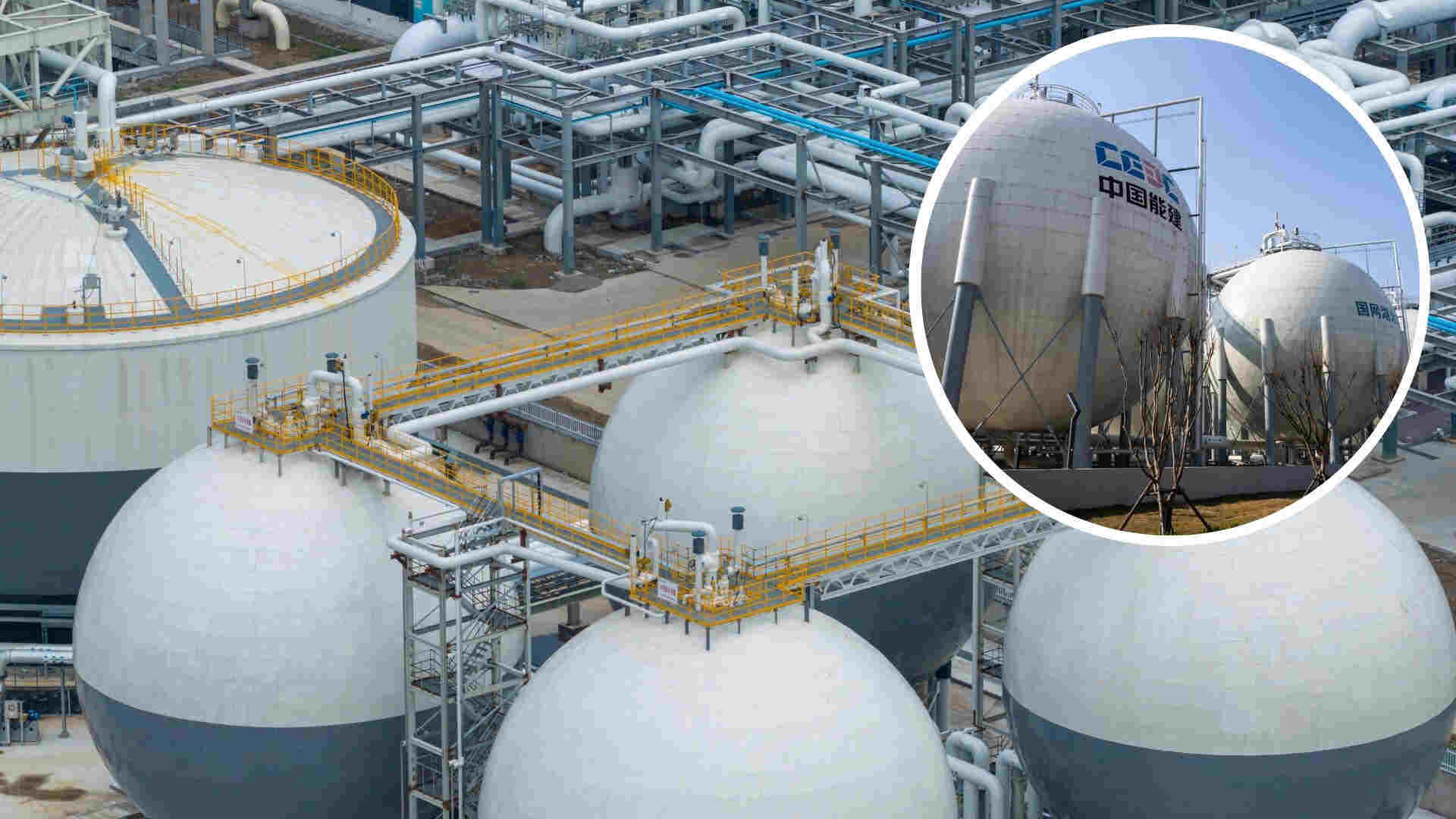
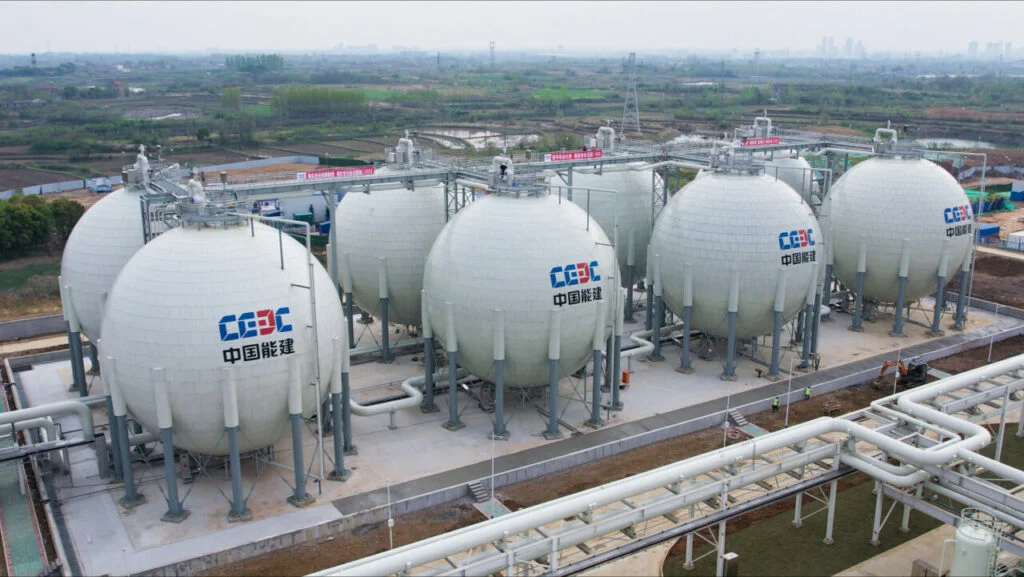
Located in central Jiangsu, the plant boasts an impressive storage capacity of 2,400 megawatt-hours and an installed power generation capacity of 600 megawatts. According to Harbin Electric Corporation, which was involved in the construction, the facility can supply electricity for around 600,000 households annually, making it the largest compressed-air energy storage (CAES) project globally in both scale and output.
This project is particularly important as China ramps up its renewable energy capacity. Wind and solar power, while critical to reducing carbon emissions, often face variability in output. Facilities like this compressed-air storage plant provide a solution by storing surplus energy and delivering it during peak demand periods.
How Compressed-Air Energy Storage Works
Compressed-air energy storage is a technology designed for long-duration electricity storage. The process begins when surplus electricity, often generated during off-peak hours such as nighttime, is used to compress air. This compressed air is then stored in large underground caverns.
When electricity demand increases, the stored compressed air is released and directed through turbines, generating power for the grid. This method ensures grid stability, especially when renewable sources like wind and solar are not producing enough electricity due to weather changes or seasonal variations.
Unlike conventional batteries, which may be limited in storage capacity or duration, CAES is suitable for long-duration storage, making it a key technology for supporting large renewable energy systems.
Role in China’s Green Energy Transition
China’s green energy strategy emphasizes the integration of renewable energy with reliable power supply. BloombergNEF reports that compressed-air energy storage is among the most cost-effective solutions for long-duration energy storage today.
The Jiangsu CAES plant reflects Beijing’s efforts to diversify energy storage technologies beyond lithium-ion batteries. By investing in large-scale storage, China can reduce reliance on fossil fuels, cut carbon emissions, and enhance energy security.
With wind and solar generation continuing to expand rapidly across the country, the importance of energy storage systems like CAES cannot be overstated. They allow renewable energy to become a dependable component of the power grid, rather than an intermittent source.
Growth of China’s Energy Storage Sector
China’s energy storage sector has grown alongside its renewable energy expansion. Government targets aim to add over 180 gigawatts of new storage capacity by 2027, encouraging investment in both batteries and alternative technologies like compressed-air systems.
The Jiangsu project sets a benchmark for the sector, demonstrating that large-scale CAES projects are not only technically feasible but also economically viable. It showcases China’s leadership in deploying innovative storage solutions to support a low-carbon energy future.
Advantages of Compressed-Air Storage
- Long-Duration Storage: Capable of storing energy for extended periods, unlike conventional batteries.
- Grid Stability: Provides reliable electricity during peak demand or renewable energy shortfalls.
- Cost-Effective: Lower costs compared to some battery technologies for large-scale applications.
- Supports Renewable Integration: Helps smooth fluctuations in solar and wind power generation.

Looking Ahead: China Compressed-Air Storage Plant
The successful commissioning of the Jiangsu CAES plant demonstrates China’s growing expertise in large-scale energy storage. It serves as a model for other countries seeking to integrate more renewable energy into their power grids without compromising reliability.
As global demand for clean energy rises, technologies like compressed-air energy storage are likely to play a central role in the transition toward carbon-neutral electricity systems. China’s leadership in this field positions it at the forefront of the global clean energy movement.