



MAVEN Mars Mission Ends After 11 Years

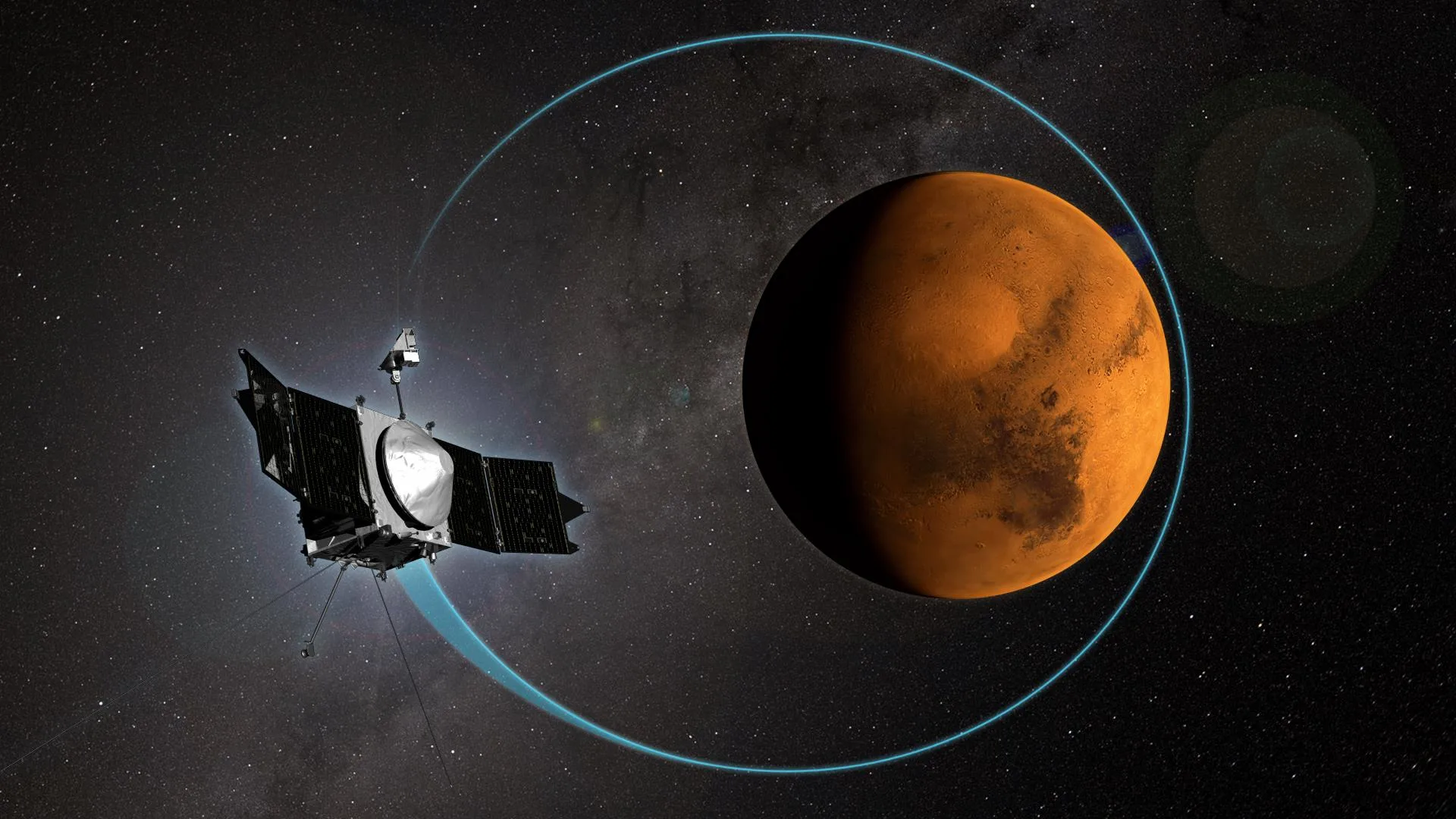
MAVEN Mars Mission has officially come to an end after more than a decade of exploring the Red Planet. NASA confirmed on 3 June 2026 that the spacecraft is no longer operational after losing contact months earlier. This marks the close of one of the most important missions focused on understanding Mars and its atmosphere.
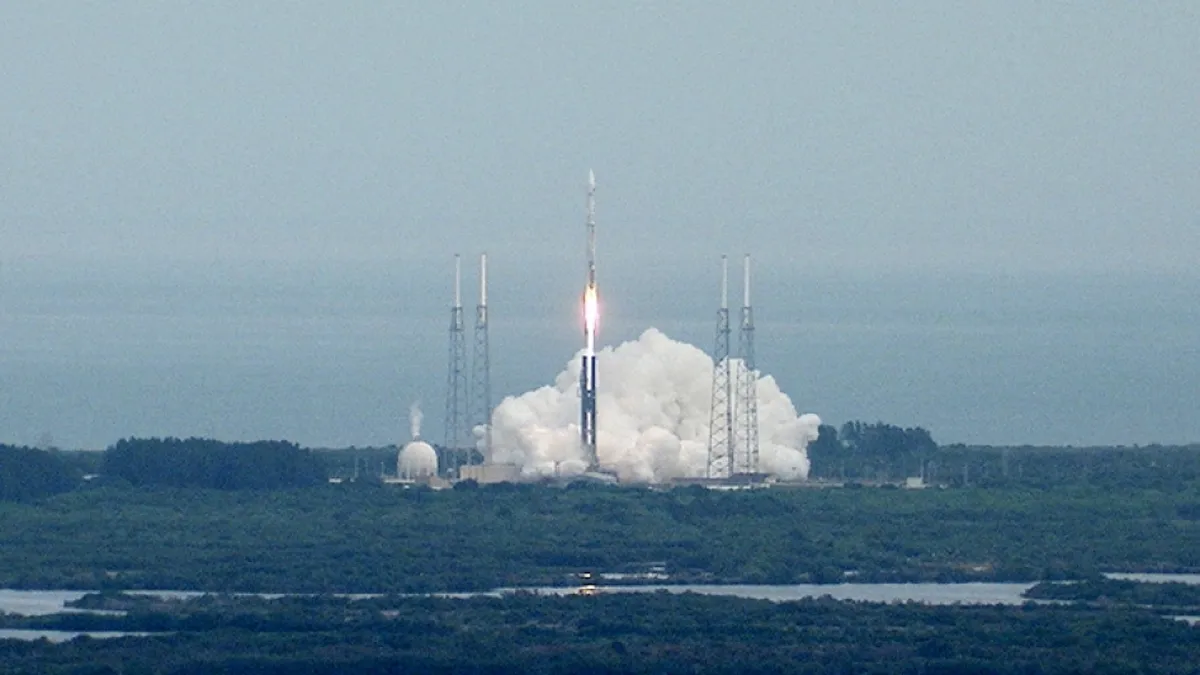
Thank you for reading this post, don't forget to subscribe!Launched in November 2013, MAVEN spent over 11 years orbiting Mars and collecting valuable data. It was originally planned as a short mission but continued far beyond expectations, helping scientists better understand how Mars changed over time.
What Was the MAVEN Mission About
MAVEN stands for Mars Atmosphere and Volatile Evolution. The spacecraft was designed to study the upper layers of the Martian atmosphere. Its main goal was to understand how gases escaped from Mars into space.
This research is important because it helps explain why Mars, which may have once had water and a thicker atmosphere, became cold and dry. MAVEN studied how solar wind and radiation from the Sun affected the planet over billions of years.
The mission became a key part of NASA’s larger Mars exploration program. It also worked as a communication relay, helping send data from rovers like Curiosity and Perseverance back to Earth.
Sudden Loss of Communication
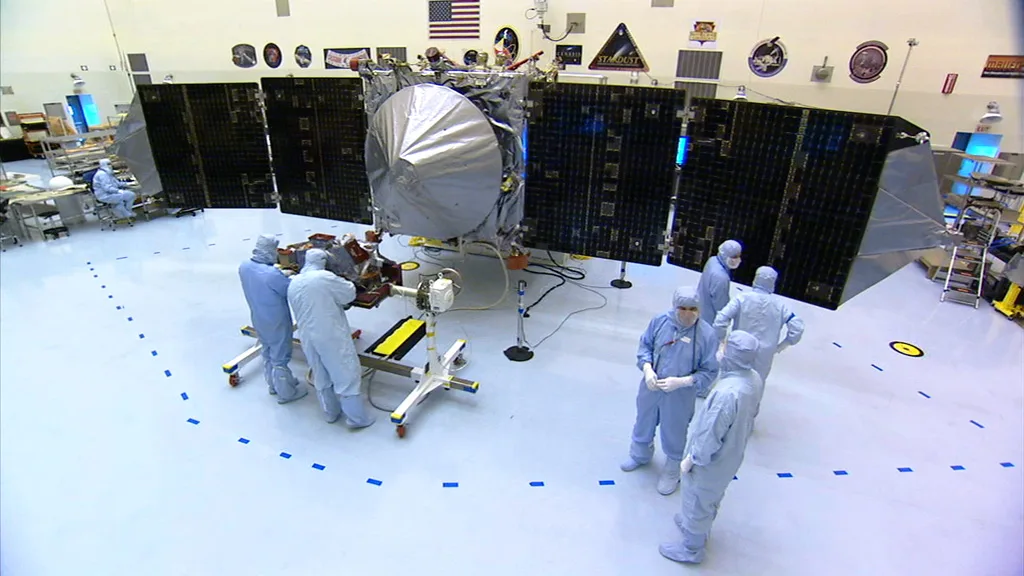
The final communication with MAVEN happened on 6 December 2025. At that time, the spacecraft was expected to go behind Mars and then reappear after a short period. However, when NASA’s Deep Space Network tried to reconnect, there was no signal.
Early data showed that the spacecraft entered a safety mode during this time. It also started spinning faster than normal, which caused problems with its systems. The rapid rotation likely drained its batteries and stopped its ability to send signals.
After months of attempts, NASA confirmed that communication could not be restored. This led to the official end of the mission in June 2026.
Investigation and Technical Findings
NASA formed a special review team to understand what went wrong. The investigation began in early 2026 after repeated failed attempts to contact the spacecraft.
The team found that MAVEN could no longer perform its main tasks or support other missions. The loss of power and communication made recovery impossible. A final detailed report is expected later in 2026, which may provide more clarity about the exact cause.
Such technical failures are not uncommon in long-running space missions, especially after operating well beyond their planned lifespan.
Scientific Contributions of MAVEN
MAVEN played a major role in changing how scientists view Mars. One of its biggest contributions was showing how the Sun’s activity slowly stripped away the Martian atmosphere.
This helped explain why Mars lost most of its air and water over time. The data collected by MAVEN is still being studied and will continue to support research for years.
The mission also helped scientists compare Mars with Earth, giving better insights into how planets evolve. This information is useful not only for Mars studies but also for understanding other planets in our solar system.
Role in Supporting Other Mars Missions
Apart from its own research, MAVEN supported other spacecraft on Mars. It acted as a relay station, sending data from rovers on the surface back to Earth.
This role became especially important as more missions were launched to Mars. MAVEN helped improve communication efficiency and ensured that valuable data from rovers reached scientists safely.
Its support allowed missions like Curiosity and Perseverance to share images, findings, and updates regularly.
Space Exploration and Future Missions
The end of the MAVEN Mars Mission highlights both the challenges and achievements of space exploration. Missions lasting more than a decade show how advanced technology has become, but they also remind us of the risks involved in operating far from Earth.
Even though MAVEN is no longer active, its data and discoveries remain highly valuable. Future missions will build on this knowledge to explore Mars further.
With ongoing interest in human missions to Mars and new robotic missions being planned, the work done by MAVEN continues to shape the future of space research.