Bodhi Day: Celebrating the Enlightenment of Buddha

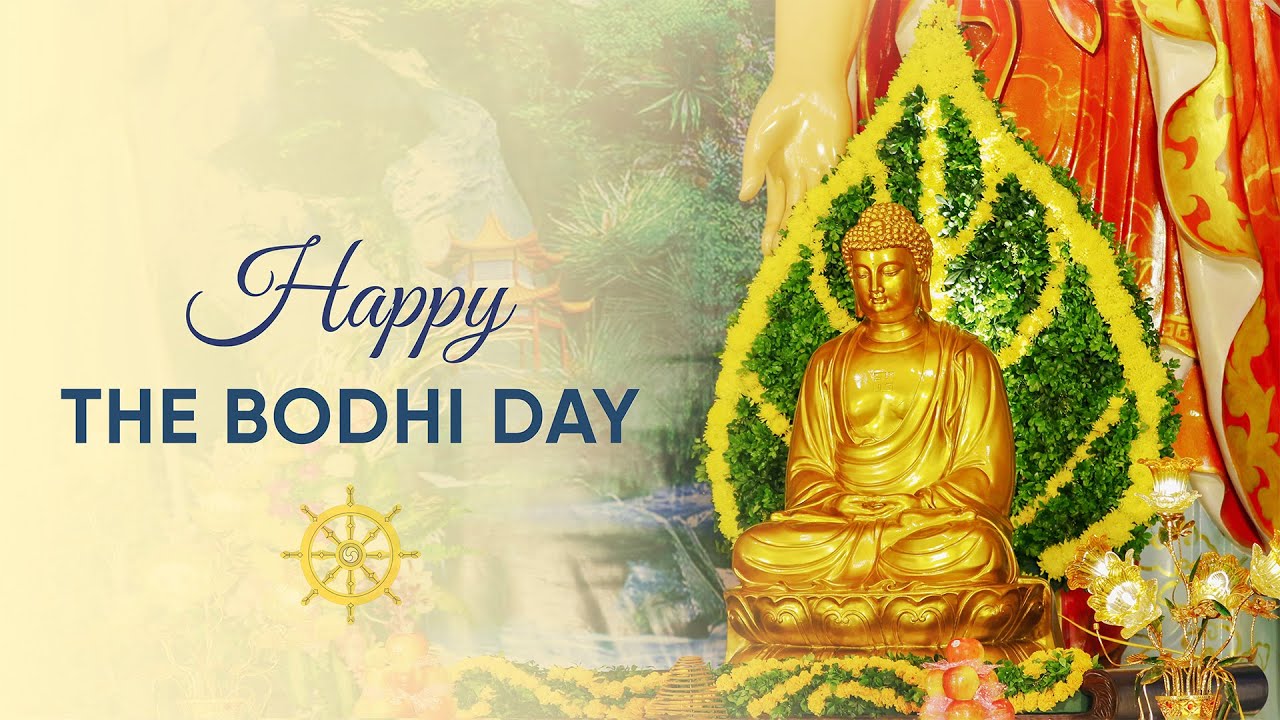
Bodhi Day is one of the most important celebrations in the Buddhist tradition. It commemorates the day when Siddhartha Gautama, who later became known as the Buddha, attained enlightenment under the Bodhi tree. This day is observed by Buddhists around the world and is a time for reflection, meditation, and learning about the teachings of Buddha.
Thank you for reading this post, don't forget to subscribe!Bodhi Day is celebrated annually, usually on December 8th in many countries, though the date may vary depending on the region and the tradition followed. It is a day that reminds people of the importance of wisdom, compassion, and spiritual awakening.
The Origin of Bodhi Day
The story of Bodhi Day begins with Siddhartha Gautama, a prince born in Lumbini, modern-day Nepal, around the 5th to 4th century BCE. Siddhartha grew up in luxury, shielded from the suffering of the world. However, as he ventured outside the palace, he encountered the realities of life old age, sickness, and death. These experiences deeply disturbed him and inspired a quest for the meaning of life and the solution to human suffering.
After leaving his palace, Siddhartha spent many years as an ascetic, practicing severe self-discipline and meditation. He sought spiritual truth through fasting, meditation, and reflection. Yet, he realized that extreme asceticism did not lead to true understanding.

Finally, Siddhartha chose a path of balance, known as the Middle Way, which avoids both extreme luxury and extreme hardship. He meditated under a large Ficus religiosa tree, which became known as the Bodhi Tree, in Bodh Gaya, India. After 49 days of deep meditation, Siddhartha attained enlightenment, becoming the Buddha, the “Awakened One.”
Bodhi Day celebrates this transformative moment in human history, marking the realization of spiritual wisdom and liberation from suffering.
Significance of Bodhi Day
Bodhi Day is not just a historical event; it holds deep spiritual meaning for Buddhists. The celebration is a reminder that anyone can seek enlightenment through self-awareness, ethical living, and meditation. The teachings of Buddha emphasize:
- Wisdom (Prajna): Understanding the true nature of reality, impermanence, and the causes of suffering.
- Ethical Conduct (Sila): Living a life guided by moral principles, kindness, and compassion.
- Meditation (Samadhi): Practicing mindfulness and concentration to cultivate inner peace and clarity.
Bodhi Day encourages followers to reflect on these principles and integrate them into daily life. It also inspires the practice of compassion, mindfulness, and self-improvement.
How Bodhi Day is Celebrated Around the World
Bodhi Day is celebrated in various ways depending on cultural traditions, countries, and Buddhist schools. The main focus is meditation, studying the life of Buddha, and performing acts of kindness.
1. Japan
In Japan, Bodhi Day is called Rōhatsu and is usually observed on December 8th. Japanese Buddhists celebrate by:
- Sitting in meditation (zazen) for long periods
- Studying Buddhist teachings
- Reflecting on their spiritual journey
- Lighting candles near a Bodhi tree or its representation
2. China
In China, Bodhi Day may coincide with other Buddhist festivals. Chinese Buddhists often:
- Visit temples to offer prayers and incense
- Chant sutras, particularly the Diamond Sutra
- Reflect on the teachings of Buddha
- Offer food to monks and the needy
3. Korea
In Korea, Bodhi Day is celebrated on the 8th day of the 12th lunar month. Traditions include:
- Temple visits and meditation
- Bowing to a statue of Buddha
- Listening to Dharma talks and stories of enlightenment
4. Western Countries
In countries like the United States and Europe, Bodhi Day has gained popularity among Buddhist practitioners and spiritual seekers. Celebrations often include:
- Meditation sessions at Buddhist centers
- Reading stories about the life of Buddha
- Singing Buddhist chants
- Lighting candles and decorating small Bodhi trees
The Bodhi Tree and Its Symbolism
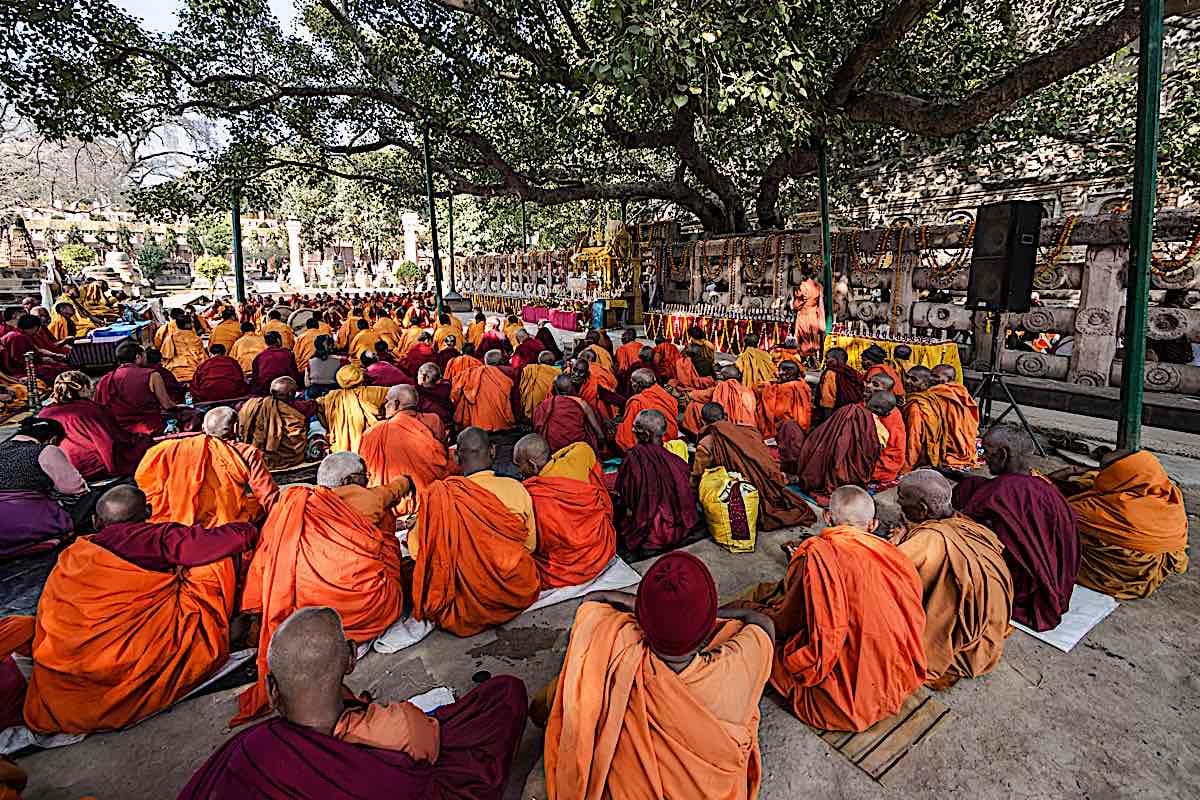
The Bodhi Tree is a central symbol of Bodhi Day. It represents wisdom, enlightenment, and spiritual awakening. The original Bodhi Tree in Bodh Gaya, India, is considered sacred and attracts pilgrims from all over the world.
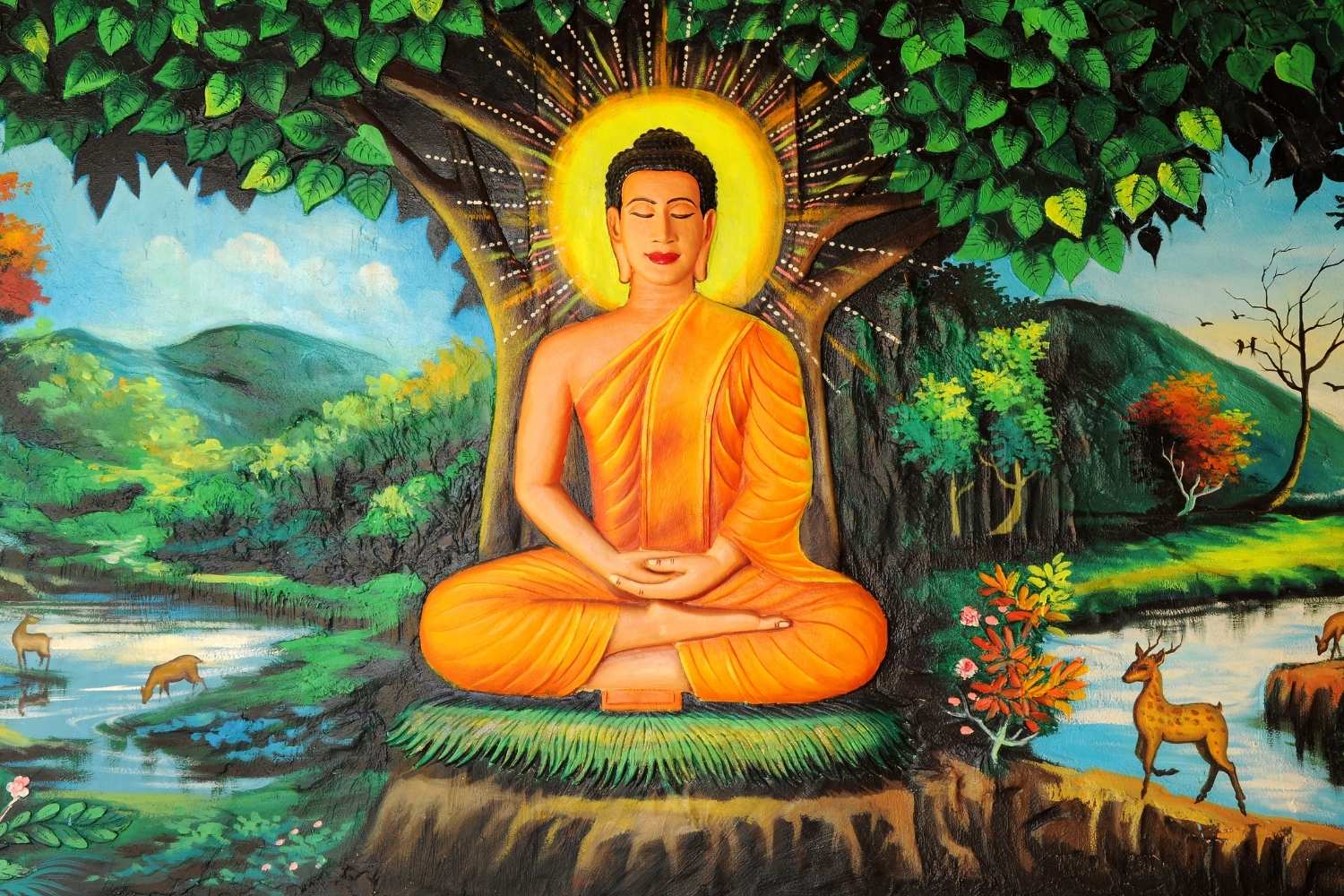
The tree’s symbolism extends beyond Buddhism. It reminds people that enlightenment is possible for everyone and that spiritual growth requires patience, effort, and deep understanding.
Many Buddhists plant small Bodhi trees or decorate them with lights and flowers during Bodhi Day. The act symbolizes nurturing one’s own spiritual awakening and spreading wisdom to others.
Meditation and Reflection on Bodhi Day
Meditation is a core practice on Bodhi Day. Followers are encouraged to:
- Sit quietly and focus on breathing
- Reflect on their actions and thoughts
- Cultivate compassion and forgiveness
- Contemplate the impermanence of life
Meditation is a powerful tool to reduce stress, gain clarity, and deepen understanding. On Bodhi Day, it is especially meaningful because it mirrors the meditation practice of Siddhartha Gautama that led to enlightenment.
Acts of Kindness and Compassion
Bodhi Day is also a time to perform acts of kindness. Buddhists may:
- Donate to charity or help those in need
- Share food with family, friends, and neighbors
- Practice forgiveness and resolve conflicts
- Offer guidance and support to others
These actions reflect Buddha’s teachings on compassion and interconnectedness. By helping others, people honor the spirit of enlightenment and contribute to a more peaceful world.
Lessons from the Life of Buddha
Bodhi Day reminds people of the valuable lessons from the life of Buddha. Some of these lessons include:
- The Middle Way: Avoid extremes in life, whether in pleasure or hardship.
- Impermanence: Everything in life changes, and understanding this helps reduce attachment and suffering.
- Mindfulness: Being fully present in each moment improves understanding and well-being.
- Compassion: Helping others and being kind creates harmony and spiritual growth.
- Self-Discovery: True wisdom comes from introspection, learning, and personal experience.
These teachings are universal and can guide anyone, regardless of religious belief, to lead a more balanced and meaningful life.
Bodhi Day in Art and Culture
Bodhi Day has inspired countless works of art, literature, and music. Temples, statues, and paintings depict Buddha under the Bodhi Tree. Stories of Buddha’s enlightenment are told in books, plays, and festivals.
In modern times, artists and spiritual writers continue to explore the theme of awakening and self-discovery inspired by Bodhi Day. Cultural celebrations often include:
- Buddhist music and chanting
- Storytelling about Siddhartha’s journey
- Art exhibitions depicting enlightenment and compassion
These artistic expressions help people connect emotionally and spiritually to the essence of Bodhi Day.
Modern Relevance of Bodhi Day

In today’s fast-paced world, Bodhi Day offers an opportunity to pause and reflect. It encourages mindfulness, ethical living, and spiritual awareness. People can use this day to:
- Reflect on personal growth and goals
- Reduce stress through meditation
- Foster kindness in daily life
- Learn from Buddhist teachings on suffering and happiness
Even those who are not Buddhist can benefit from the principles of Bodhi Day, as they promote peace, understanding, and self-awareness.
Bodhi Day Rituals and Practices
Common rituals on Bodhi Day include:
- Meditation: Sitting quietly under or near a tree, focusing on breath and mindfulness.
- Candle Lighting: Symbolizing the light of wisdom that dispels ignorance.
- Offerings: Flowers, incense, and food offerings at temples or home altars.
- Chanting Sutras: Reciting Buddhist scriptures to cultivate spiritual energy.
- Reflection: Journaling or contemplating personal actions, thoughts, and goals.
These practices help people connect with the teachings of Buddha and create a sense of peace and purpose.
Stories Associated with Bodhi Day
Several stories are told to commemorate Bodhi Day:
- The Temptations of Mara: While meditating, Siddhartha faced the demon Mara, who tried to distract him with fear, desire, and doubt. Siddhartha remained steadfast, showing that determination and focus can overcome obstacles.
- The Touch of the Earth: After achieving enlightenment, Siddhartha touched the earth as a witness to his attainment, symbolizing the power of truth and spiritual awakening.
These stories inspire followers to remain resilient and mindful in the face of challenges.
Bodhi Day for Children and Families
Bodhi Day is also a family-oriented celebration. Parents and teachers use the day to teach children about:
- The life of Buddha
- Importance of kindness and honesty
- Mindfulness and meditation
- Respect for all living beings
Activities can include storytelling, drawing Bodhi trees, practicing meditation, and simple acts of charity. Teaching children about Bodhi Day helps pass on values of compassion and wisdom to future generations.
Challenges in Observing Bodhi Day
While Bodhi Day is meaningful, some challenges exist in modern life:
- Busy Schedules: People often find it hard to dedicate time for meditation or reflection.
- Lack of Awareness: Not everyone knows the significance of Bodhi Day.
- Cultural Differences: Practices may vary, and some traditions are less known globally.
Despite these challenges, even small acts like quiet reflection or reading about Buddha can honor the essence of Bodhi Day.
FAQs About Bodhi Day
Q1: When is Bodhi Day celebrated?
A1: Bodhi Day is usually celebrated on December 8th, though dates may vary depending on tradition and country.
Q2: What does Bodhi mean?
A2: Bodhi means “awakening” or “enlightenment” in Sanskrit.
Q3: Why is the Bodhi Tree important?
A3: The Bodhi Tree is where Siddhartha Gautama attained enlightenment. It symbolizes wisdom, patience, and spiritual growth.
Q4: How do people celebrate Bodhi Day?
A4: Common celebrations include meditation, chanting, candle lighting, acts of kindness, and studying Buddhist teachings.
Q5: Can non-Buddhists celebrate Bodhi Day?
A5: Yes, anyone can reflect on mindfulness, compassion, and self-improvement inspired by Bodhi Day.
Q6: What is the significance of meditation on Bodhi Day?
A6: Meditation helps cultivate awareness, inner peace, and understanding, reflecting Buddha’s path to enlightenment.
Conclusion
Bodhi Day is a profound celebration of enlightenment, wisdom, and compassion. It honors the moment when Siddhartha Gautama became the Buddha and serves as a reminder that spiritual awakening is possible for anyone. Through meditation, reflection, ethical living, and acts of kindness, people around the world connect with the teachings of Buddha and seek to bring peace and understanding into their lives.
Bodhi Day encourages mindfulness, gratitude, and self-discovery, helping individuals grow spiritually while contributing to a more compassionate and harmonious world. It is a celebration that transcends boundaries, inspiring everyone to seek wisdom, practice kindness, and live mindfully.