




Biological Diversity Act 2002: Protecting India’s Biodiversity

Biological Diversity Act 2002 is one of India’s most important environmental laws. It helps protect the country’s rich biodiversity and ensures that biological resources are used wisely. India is home to many plants, animals, birds, insects, and microorganisms. These natural resources are valuable not only for nature but also for agriculture, medicine, and daily life. Because of increasing pollution, deforestation, and overuse of resources, biodiversity is under threat. To solve this problem, India introduced the Biological Diversity Act in 2002.
Thank you for reading this post, don't forget to subscribe!This law was created to fulfill the goals of the United Nations Convention on Biological Diversity (CBD), 1992. The convention recognizes that every country has rights over its biological resources and should protect them for future generations.
What is Biodiversity?
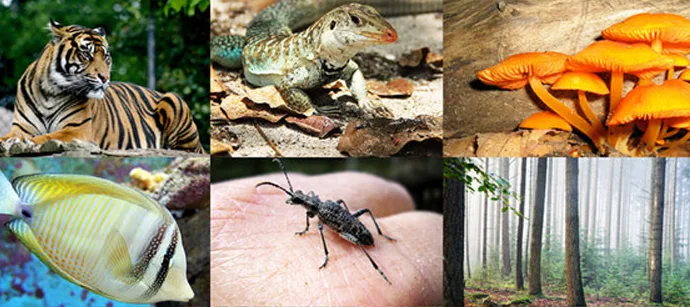
Biodiversity means the variety of living organisms found on Earth. It includes:
- Different kinds of plants
- Different species of animals
- Birds, insects, fish, and microorganisms
- Different ecosystems such as forests, rivers, wetlands, and mountains
Biodiversity also includes differences within the same species. For example, there are many types of rice, mangoes, and medicinal plants in India. This diversity helps nature remain balanced and healthy.
What are Biological Resources?
Biological resources include:
- Plants and plant products
- Animals and animal products
- Microorganisms
- Genetic materials
- Natural by-products with useful value
These resources may be used in medicine, farming, scientific research, and industries. However, human genetic material is not included under this law.
Why Was the Biological Diversity Act 2002 Needed?
India has rich biodiversity, but many species are becoming rare due to:
- Deforestation
- Climate change
- Pollution
- Illegal trade of plants and animals
- Excessive commercial use of natural resources
Many companies and foreign organizations also use Indian biological resources for research and business. Sometimes they earn huge profits without sharing benefits with local communities who have protected and used these resources for generations.
The Biological Diversity Act 2002 ensures that benefits are shared fairly with local people and biodiversity is protected.
Main Objectives of Biological Diversity Act 2002
The law has three major goals:
1. Conservation of Biodiversity
The act protects plants, animals, forests, and ecosystems from destruction.
2. Sustainable Use
Resources should be used carefully so future generations can also benefit.
3. Fair Benefit Sharing
If companies or researchers earn money using biological resources, local communities should receive a fair share.
Major Features of the Biological Diversity Act 2002
The act prevents misuse of India’s biological resources.
Without permission from the National Biodiversity Authority (NBA), the following are restricted:
- Collecting biological resources from India for research or business
- Transferring research results related to biological resources
- Applying for patents or intellectual property rights based on Indian biological resources
This prevents illegal exploitation and biopiracy.
The act created a three-tier system for management:
- National Biodiversity Authority (NBA)
- State Biodiversity Boards (SBBs)
- Biodiversity Management Committees (BMCs)
These bodies work together to protect biodiversity at national, state, and local levels.
The law also allows the Central Government to:
- Identify threatened species
- Protect endangered plants and animals
- Regulate collection of rare species
- Create repositories for biological resources
Serious violations under this act are considered legal offences and can lead to punishment.
Any dispute related to benefit sharing or authority decisions can be taken to the National Green Tribunal (NGT).
Laws Related to Environmental Protection
The NGT also deals with other important environmental laws, including:
- Water Act, 1974
- Forest Conservation Act, 1980
- Air Act, 1981
- Environment Protection Act, 1986
- Public Liability Insurance Act, 1991
These laws together help protect India’s environment.

Exemptions Under the Act
Not all biological resources are controlled under this law.
The act gives exemptions in certain cases:
Commodities
Biological resources normally traded as market commodities are exempt if used only as commodities.
Example:
- Fruits
- Vegetables
- Grains
Traditional Uses
Traditional knowledge and normal community use are not restricted.
Farmers and Traditional Healers
The act protects the rights of:
- Farmers
- Livestock keepers
- Beekeepers
- Traditional healers like vaids and hakims
This ensures local communities can continue their traditional practices.
National Biodiversity Authority (NBA)
The National Biodiversity Authority (NBA) was established in 2003 by the Government of India to implement the Biological Diversity Act.
Its headquarters is in Chennai, Tamil Nadu.
NBA works as a statutory body and performs:
- Regulatory functions
- Advisory functions
- Conservation-related work
It supports the government in biodiversity-related decisions.
Structure of NBA
The NBA consists of:
- One Chairperson
- Three ex-officio members from central ministries
- Seven members from departments such as agriculture, biotechnology, science, and research
- Five expert members or scientists
These experts help in policy-making and biodiversity management.
Functions of NBA
The main functions of NBA include:
Promote Biodiversity Conservation
NBA encourages protection of biodiversity and sustainable use.
Regulation
It regulates access to biological resources.
Benefit Sharing
It ensures local communities receive benefits.
Prevent Illegal Patents
NBA opposes foreign patents based on illegally obtained Indian resources.
Heritage Site Recommendations
It advises states on biodiversity-rich areas that should be protected.
State Biodiversity Boards (SBBs)
Each state government creates a State Biodiversity Board (SBB) under Section 22 of the act.
These boards handle biodiversity management at the state level.
Structure of SBB
A State Biodiversity Board includes:
- One Chairperson
- Up to five government members
- Up to five biodiversity experts
All members are appointed by the state government.
Functions of SBBs
The main duties of SBBs are:
- Advise state governments
- Promote conservation
- Regulate commercial use of biological resources
- Approve bio-surveys and utilization requests
Union Territories do not have separate SBBs. In such areas, NBA performs these duties.
Biodiversity Management Committees (BMCs)
At the local level, every local body must form a Biodiversity Management Committee (BMC).
These committees work directly with local communities.
Their purpose includes:
- Protecting habitats
- Conserving local plant varieties
- Protecting traditional animal breeds
- Documenting local biodiversity knowledge
Structure of BMC
Each BMC includes:
- One Chairperson
- Up to six nominated members
Important inclusion rules:
- At least one-third members must be women
- At least 18% members must belong to SC/ST communities
This ensures community participation.
Functions of BMC
The biggest responsibility of BMC is preparing the People’s Biodiversity Register (PBR).
This register records:
- Local biological resources
- Traditional medicinal uses
- Agricultural knowledge
- Community practices related to biodiversity
This information helps preserve traditional knowledge.
People’s Biodiversity Register (PBR)
PBR is an important document.
It contains details about:
- Plants
- Animals
- Medicinal herbs
- Local traditional knowledge
PBR protects the rights of local communities over biological resources.
It also helps prevent outsiders from claiming ownership over traditional knowledge.
Biodiversity Heritage Sites (BHS)
Under Section 37 of the Biological Diversity Act 2002, state governments can declare special biodiversity-rich areas as Biodiversity Heritage Sites (BHS).
These areas are important because they contain:
- Rare species
- Endangered species
- High biodiversity
- Ecologically fragile ecosystems
- Cultural and traditional value
BHS can include:
- Forests
- Lakes
- Wetlands
- Coastal areas
- Mountain ecosystems
These sites are protected for future generations.
Important Biodiversity Heritage Sites in India
Some important Biodiversity Heritage Sites include:

| Site | State |
|---|---|
| Nallur Tamarind Grove | Karnataka |
| Glory of Allapalli | Maharashtra |
| Mandasaru | Odisha |
| Dialong Village | Manipur |
| Ameenpur Lake | Telangana |
| Majuli | Assam |
| Asramam | Kerala |
Importance of Biological Diversity Act 2002
The Biological Diversity Act is important because it:
- Protects nature and ecosystems
- Prevents overuse of resources
- Supports local communities
- Stops illegal exploitation
- Preserves traditional knowledge
- Promotes sustainable development
India’s biodiversity is one of its greatest strengths. Protecting it is necessary for food security, medicine, clean air, and ecological balance.
The Biological Diversity Act 2002 plays a major role in ensuring that India’s natural wealth remains safe and useful for future generations.
FAQs on Biological Diversity Act 2002
1. What is the Biological Diversity Act 2002?
The Biological Diversity Act 2002 is an Indian law created to protect biological resources, promote sustainable use, and ensure fair sharing of benefits from these resources.
2. Why was the Biological Diversity Act 2002 introduced?
It was introduced to conserve India’s biodiversity, prevent illegal exploitation of biological resources, and protect traditional knowledge of local communities.
3. What are the main objectives of the Biological Diversity Act 2002?
The three main objectives are:
- Conservation of biodiversity
- Sustainable use of biological resources
- Fair and equitable sharing of benefits
4. What is biodiversity?
Biodiversity means the variety of living organisms such as plants, animals, birds, insects, and microorganisms found in different ecosystems.
5. What is the National Biodiversity Authority (NBA)?
The National Biodiversity Authority is a statutory body established in 2003 to implement the Biological Diversity Act and regulate the use of biological resources in India.
6. Where is the headquarters of NBA located?
The headquarters of the NBA is in Chennai, Tamil Nadu.
7. What are Biodiversity Management Committees (BMCs)?
BMCs are local-level committees formed to conserve biodiversity and prepare People’s Biodiversity Registers.
8. What is a Biodiversity Heritage Site?
A Biodiversity Heritage Site is a special area with rich biodiversity, rare species, and ecological importance that is protected under the Biological Diversity Act.