



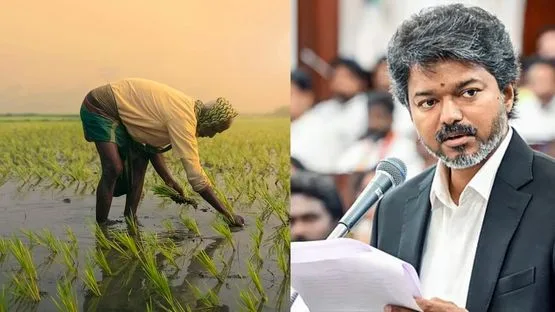
Tamil Nadu Crop Loan Waiver ₹75K

Tamil Nadu Crop Loan Waiver has become a major development in Tamil Nadu as the state government announced an expanded scheme to support farmers. The revised plan increases the loan waiver limit, offering financial relief to those who depend on agriculture for their livelihood.
Thank you for reading this post, don't forget to subscribe!The scheme applies to farmers who borrowed crop loans from cooperative banks during a specific period. With rising farming costs and changing weather patterns, such measures are seen as important support for the agricultural sector.
Revised Loan Waiver Structure
Under the Tamil Nadu Crop Loan Waiver scheme, farmers who have taken loans up to ₹75,000 will receive a full waiver. For those who borrowed more than ₹75,000, a fixed amount of ₹35,000 will be waived.
This updated structure replaces an earlier plan that had a lower limit. By increasing the waiver amount, the government has extended benefits to a wider group of farmers.
The decision reflects ongoing efforts to reduce financial pressure on farmers, especially during times when crop yields can be uncertain due to climate-related challenges.
Who Benefits from the Scheme
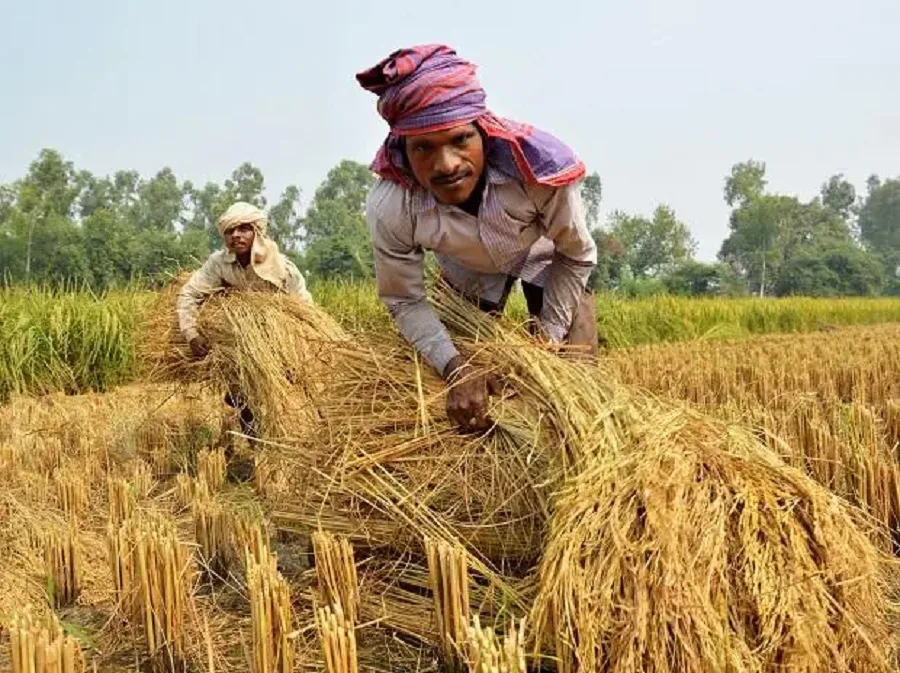
The Tamil Nadu Crop Loan Waiver is expected to benefit over 14 lakh farmers across the state. This includes marginal, small, and large farmers who have taken loans through cooperative institutions.
Marginal farmers, who usually have very small land holdings, form a large part of the beneficiaries. Small farmers also gain significant support, while even larger farmers receive partial relief.
This wide coverage ensures that the scheme reaches different sections of the farming community, helping improve overall rural stability.
Role of Cooperative Banks
The Tamil Nadu Crop Loan Waiver is linked to the cooperative banking system, which plays an important role in rural credit. These banks provide short-term loans to farmers for seasonal needs such as seeds, fertilisers, labour, and irrigation.
Cooperative banks operate under the Banking Regulation Act, 1949 and are monitored by financial authorities along with state departments.
They are often more accessible to farmers in rural areas compared to commercial banks. This makes them a key part of agricultural financing in India.
Importance of Crop Loans in Agriculture
Crop loans are essential for farmers as they help cover the cost of cultivation. These loans are usually short-term and are expected to be repaid after harvest.
Many farmers rely on systems like the Kisan Credit Card to access timely credit. This system allows them to borrow funds easily for farming activities.
The Tamil Nadu Crop Loan Waiver reduces the burden of repayment, especially in situations where farmers face losses due to unpredictable weather or market conditions.
Financial Impact on the State
The Tamil Nadu Crop Loan Waiver involves a significant financial commitment from the state government. The total estimated cost of the scheme runs into thousands of crores.
A large portion of the funds will go towards supporting marginal farmers, followed by small and large farmers. This reflects the state’s focus on helping those who are most vulnerable.
Such schemes are often part of broader economic strategies aimed at supporting rural development and boosting agricultural productivity.
Current Challenges in Farming
The Tamil Nadu Crop Loan Waiver comes at a time when farmers are facing multiple challenges. Climate change has affected rainfall patterns, making farming less predictable.
Rising costs of inputs like fertilisers and fuel have also added to the financial burden. In addition, market price fluctuations can impact farmers’ income.
These factors make it difficult for farmers to repay loans on time, increasing the need for support measures like loan waivers.
Policy Approach and Rural Support
The Tamil Nadu Crop Loan Waiver reflects a policy approach focused on providing direct relief to farmers. It is one of the ways governments try to stabilise rural economies.
Loan waivers are often used as short-term solutions to ease financial stress. They also help improve access to credit, as farmers are more likely to take loans again when previous debts are cleared.
The scheme is part of ongoing efforts to strengthen the agricultural sector and ensure food security.
Broader Impact on Economy
The Tamil Nadu Crop Loan Waiver not only helps farmers but also has wider economic effects. When farmers have less debt, they can invest more in their fields and improve productivity.
This can lead to better crop output and support related industries such as food processing and transportation.
Improved rural income also boosts local markets, creating a positive cycle of economic activity.
Changing Trends in Agricultural Support
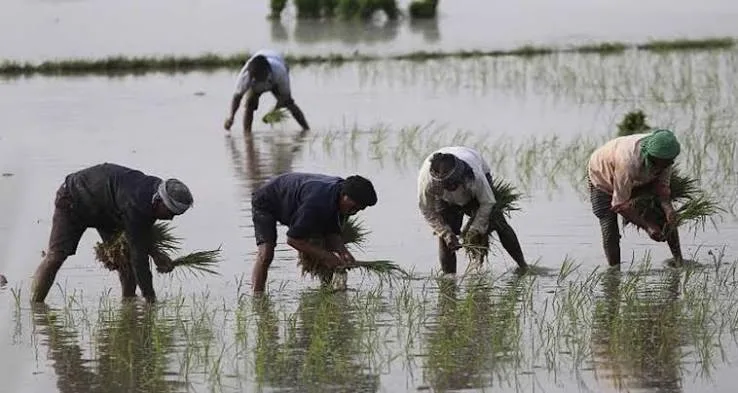
In recent years, there has been growing attention on supporting farmers through various policies and schemes. Governments are exploring new ways to combine financial aid with technology and better infrastructure.
The Tamil Nadu Crop Loan Waiver is one example of how states are responding to current agricultural challenges.
There is also increasing focus on sustainable farming practices, digital tools, and improved supply chains to support farmers in the long run.