



Eco-Sensitive Zones: Importance, Challenges, and Role in Biodiversity Conservation

Eco-Sensitive Zones (ESZs) are areas located around national parks, wildlife sanctuaries, and other protected regions that help protect nature and wildlife from harmful human activities. These zones act as a protective buffer between highly protected ecosystems and areas where human activities take place. The main purpose of Eco-Sensitive Zones is to maintain ecological balance, conserve biodiversity, and ensure sustainable development.
In recent years, Eco-Sensitive Zones have become an important topic of discussion in India due to increasing environmental concerns and developmental pressures. The Supreme Court of India has also highlighted the importance of these zones by directing that protected forests, national parks, and wildlife sanctuaries should have a mandatory Eco-Sensitive Zone of at least one kilometer from their boundaries.

What are Eco-Sensitive Zones?
Eco-Sensitive Zones are areas surrounding national parks and wildlife sanctuaries where certain human activities are regulated or restricted to protect the environment and wildlife.
The concept of Eco-Sensitive Zones was introduced under the Environmental (Protection) Act, 1986. According to the National Wildlife Action Plan, state governments were encouraged to declare land within 10 kilometers of protected areas as Eco-Sensitive Zones.
Although 10 kilometers is considered a general guideline, the size of an ESZ can vary depending on the ecological importance of the area. In some cases, regions beyond 10 kilometers may also be declared Eco-Sensitive Zones if they serve as important wildlife corridors or contain fragile ecosystems.
The primary objective of these zones is to reduce the negative impact of human activities on protected ecosystems and ensure the survival of plants and animals.
Why are Eco-Sensitive Zones Needed?
India is home to a rich variety of wildlife and ecosystems. However, increasing population, urbanization, industrialization, and infrastructure development have placed tremendous pressure on natural habitats.
Many national parks and wildlife sanctuaries are surrounded by villages, towns, roads, industries, and agricultural fields. Without a protective buffer, developmental activities can directly affect wildlife and ecological systems.
Eco-Sensitive Zones help create a balance between conservation and development by regulating activities around protected areas.
Activities in Eco-Sensitive Zones
Different activities in Eco-Sensitive Zones are classified into three categories: prohibited, regulated, and permitted.
Prohibited Activities
Certain activities are completely banned because they can seriously damage the environment. These include:
- Commercial mining
- Polluting industries
- Saw mills
- Large hydroelectric projects
- Commercial use of wood
- Disposal of hazardous waste
- Discharge of untreated industrial waste
- Activities causing severe air, water, or noise pollution
These activities are prohibited because they can destroy habitats, pollute ecosystems, and threaten wildlife populations.
Regulated Activities
Some activities are allowed but are closely monitored and regulated. These include:
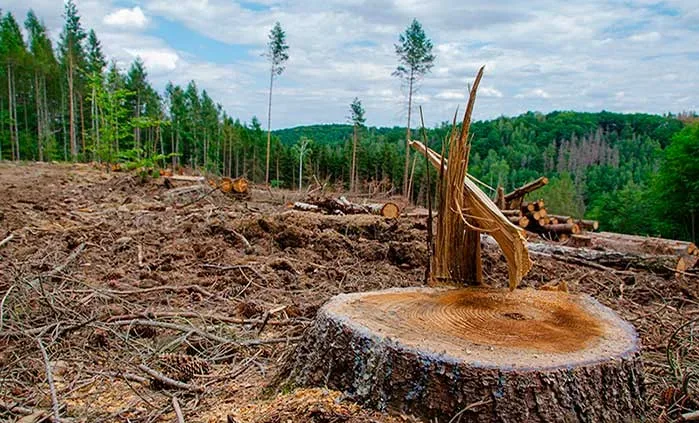
- Cutting of trees
- Construction of hotels and resorts
- Commercial use of water resources
- Installation of electric cables
- Expansion of roads
- Changes in farming methods involving heavy machinery and chemical pesticides
Government authorities examine these activities carefully before granting permission.
Permitted Activities
Environment-friendly activities are encouraged within Eco-Sensitive Zones. These include:
- Traditional agriculture
- Horticulture
- Organic farming
- Rainwater harvesting
- Renewable energy projects
- Green technology initiatives
- Sustainable livelihood activities
Such activities support local communities while protecting the environment.
Importance of Eco-Sensitive Zones
Protection of Biodiversity
One of the biggest benefits of Eco-Sensitive Zones is the protection of biodiversity. These zones help preserve plants, animals, birds, insects, and microorganisms that are essential for maintaining ecological balance.
Many endangered species survive because their habitats receive additional protection through ESZs.
Conservation of Wildlife Habitats
Wild animals often move beyond the boundaries of national parks and sanctuaries in search of food, water, and breeding grounds.
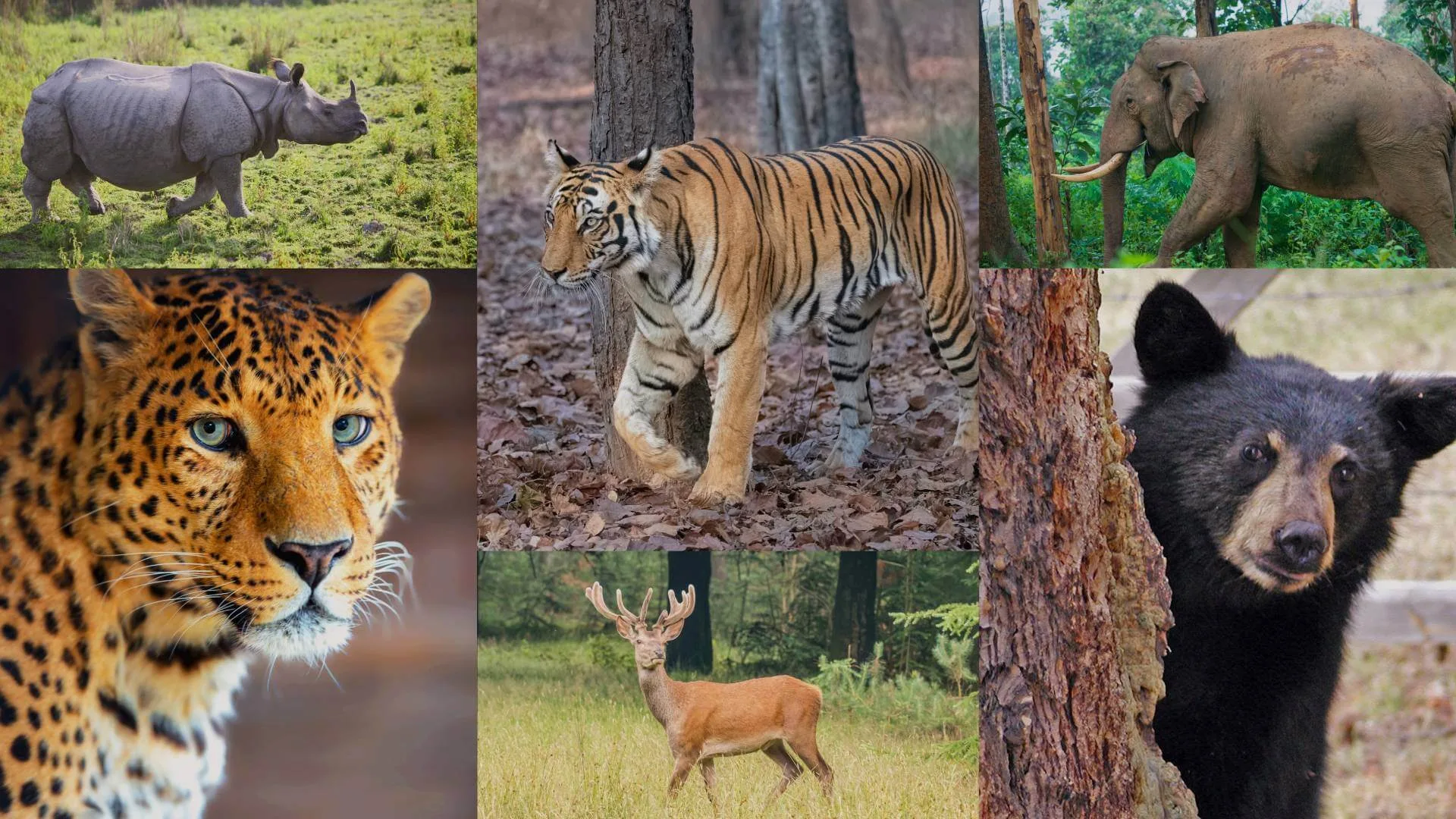
Eco-Sensitive Zones provide additional habitat and movement corridors that help wildlife survive safely outside core protected areas.
Reduction of Human-Wildlife Conflict
Human-wildlife conflict has increased in many parts of India due to habitat destruction.
When forests shrink, animals enter villages and agricultural fields, leading to damage to crops, livestock, and sometimes human lives.
Eco-Sensitive Zones help reduce these conflicts by maintaining natural habitats and limiting harmful developmental activities near protected regions.
Support for In-Situ Conservation
In-situ conservation means protecting species within their natural habitat.
Eco-Sensitive Zones support this form of conservation by ensuring that ecosystems remain healthy and undisturbed.
For example, the conservation efforts around the famous Kaziranga National Park have helped protect the endangered one-horned rhinoceros in its natural environment.
Environmental Stability
Healthy ecosystems provide many benefits such as clean air, clean water, fertile soil, and climate regulation.
Eco-Sensitive Zones contribute to environmental stability by preventing excessive environmental degradation around protected areas.
Buffer Against Developmental Pressure
These zones act as shock absorbers between wildlife habitats and human settlements.
They reduce the impact of urban expansion, industrial growth, and infrastructure development on fragile ecosystems.
Major Challenges Facing Eco-Sensitive Zones
Despite their importance, Eco-Sensitive Zones face several challenges.
Development Projects
Rapid economic growth often requires new roads, railways, dams, industries, and urban infrastructure.
Many such projects are proposed near protected areas, creating pressure on Eco-Sensitive Zones.
Construction activities can lead to:
- Deforestation
- Soil erosion
- Habitat fragmentation
- Noise pollution
- Disturbance to wildlife
For example, road construction through forest areas may divide animal habitats and disrupt migration routes.
Growing Tourism Pressure
Tourism provides economic benefits but can also create environmental problems.
Popular wildlife destinations attract large numbers of visitors every year.
Uncontrolled tourism can lead to:
- Littering
- Plastic pollution
- Noise disturbance
- Increased traffic
- Habitat degradation
In some areas, forests are cleared to build hotels, resorts, and tourism facilities, which further threatens ecosystems.
Climate Change
Climate change has become a major threat to biodiversity worldwide.
Rising temperatures, irregular rainfall, droughts, floods, and forest fires affect ecosystems within Eco-Sensitive Zones.
Many species struggle to adapt to these rapid environmental changes.
For instance, severe floods in Assam have repeatedly affected wildlife habitats in Kaziranga, causing displacement and loss of animal life.
Introduction of Exotic Species
Non-native plant species such as eucalyptus and acacia are often planted for commercial purposes.
These species compete with native vegetation for water and nutrients and may alter natural ecosystems.
As a result, local biodiversity can decline over time.
Population Growth
The increasing population in areas surrounding forests creates additional pressure on natural resources.
Communities often depend on forests for:
- Firewood
- Grazing land
- Timber
- Food resources
Excessive use of these resources can weaken the ecological health of protected areas.
Governance Issues
Environmental laws are designed to protect ecosystems, but effective implementation remains a challenge.
Weak monitoring, insufficient enforcement, and conflicts between conservation and development objectives can reduce the effectiveness of Eco-Sensitive Zones.
In some cases, proposals to reduce ESZ boundaries have raised concerns among environmentalists and conservation experts.
Impact of Eco-Sensitive Zones on Local Communities
Local communities living near forests are directly connected to the environment.
Eco-Sensitive Zones can provide several benefits to these communities:
- Improved environmental quality
- Better water availability
- Sustainable livelihood opportunities
- Promotion of eco-tourism
- Protection from environmental disasters
However, restrictions on certain activities may also affect livelihoods. Therefore, it is important to involve local communities in conservation planning and decision-making.
Community participation can make conservation efforts more successful and sustainable.
Supreme Court’s Role in Protecting Eco-Sensitive Zones
The Supreme Court of India has played an important role in strengthening environmental protection.
In 2022, the Court directed that every national park and wildlife sanctuary should have a mandatory Eco-Sensitive Zone of at least one kilometer from its boundary.
The objective was to ensure uniform protection of protected areas across the country.
The decision highlighted the need to safeguard ecosystems from increasing developmental pressures and maintain ecological balance for future generations.
Steps Needed for Better Protection of Eco-Sensitive Zones
Promote Afforestation
Planting trees and restoring degraded forests can improve biodiversity and strengthen ecosystems.
Afforestation helps increase forest cover and provides habitats for wildlife.
Encourage Sustainable Development
Development projects should be planned carefully to minimize environmental damage.
Environmental Impact Assessments should be conducted before approving major projects near protected areas.
Strengthen Environmental Awareness
People should be educated about the importance of biodiversity and ecosystem conservation.
Awareness programs can encourage responsible behavior and community participation.
Support Eco-Friendly Tourism
Tourism should be managed sustainably.
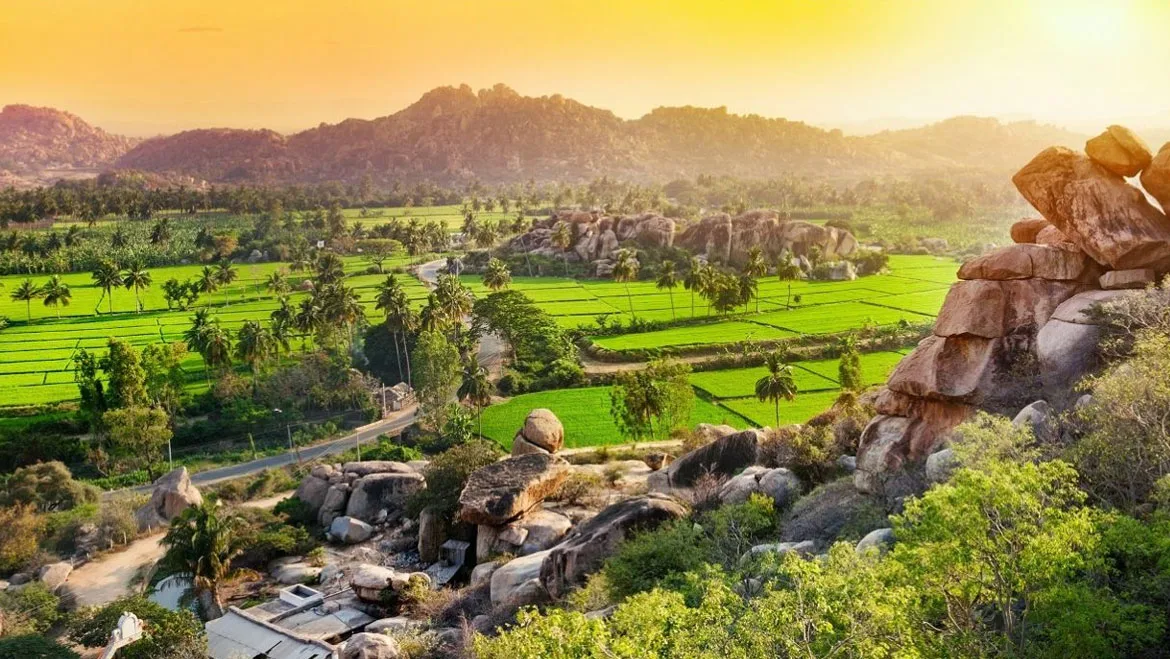
Authorities should promote responsible tourism practices, proper waste management, and environmental education for visitors.
Improve Monitoring and Enforcement
Government agencies should strengthen monitoring systems to ensure compliance with environmental regulations.
Strict action should be taken against activities that violate ESZ guidelines.
Increase Community Participation
Local communities should be treated as partners in conservation efforts.
Their traditional knowledge and experience can help protect ecosystems more effectively.
Conclusion
Eco-Sensitive Zones are an essential tool for protecting India’s rich biodiversity and fragile ecosystems. They act as protective buffers around national parks and wildlife sanctuaries, helping reduce the harmful effects of human activities. These zones support wildlife conservation, reduce human-animal conflict, preserve natural habitats, and promote sustainable development.
However, Eco-Sensitive Zones face growing challenges from urbanization, infrastructure projects, tourism, climate change, and population pressure. To ensure their long-term success, governments, environmental organizations, local communities, and citizens must work together.
Protecting Eco-Sensitive Zones is not only important for wildlife but also for the future well-being of human society. Sustainable development and environmental conservation must go hand in hand to create a healthier and greener future for generations to come.
FAQs
1. What are Eco-Sensitive Zones (ESZs)?
Eco-Sensitive Zones are protected buffer areas around national parks and wildlife sanctuaries where human activities are regulated.
2. Why are Eco-Sensitive Zones important?
They help conserve biodiversity, protect wildlife habitats, reduce human-animal conflict, and support ecological balance.
3. Which law governs Eco-Sensitive Zones in India?
Eco-Sensitive Zones are declared under the Environmental (Protection) Act, 1986.
4. What activities are prohibited in Eco-Sensitive Zones?
Commercial mining, polluting industries, large hydroelectric projects, and hazardous waste disposal are prohibited.
5. How do Eco-Sensitive Zones help wildlife?
They provide buffer areas and movement corridors that allow wildlife to survive safely beyond protected boundaries.
6. What are the major threats to Eco-Sensitive Zones?
Urbanization, tourism, climate change, deforestation, infrastructure projects, and invasive species are major threats.