


Generalised System of Preference (GSP): Meaning, Benefits and Impact on India

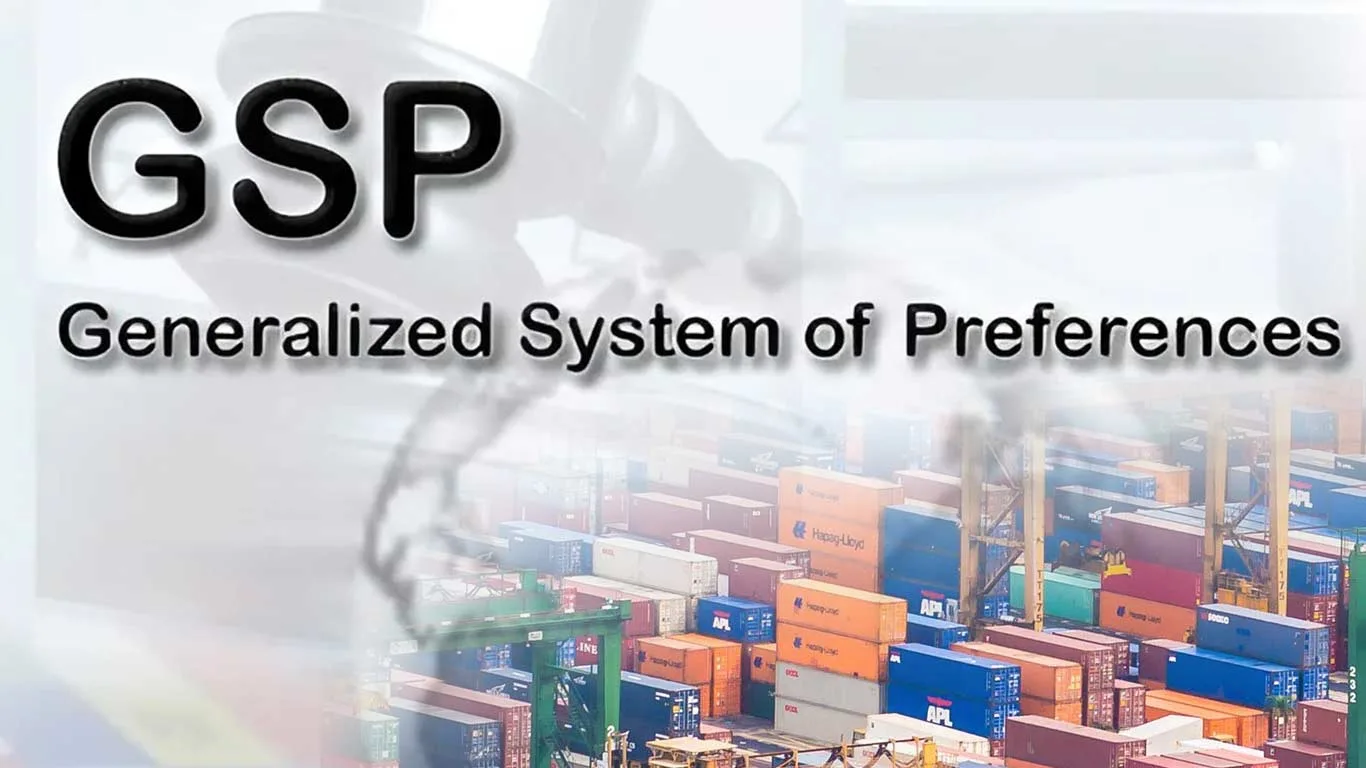
The Generalised System of Preference (GSP) is an important international trade program that helps developing countries increase their exports to developed nations. Through this system, many products exported by developing countries can enter developed-country markets at reduced tariffs or even without any import duty. The main purpose of GSP is to support economic growth, increase trade opportunities, and improve employment in developing nations.
The GSP has played a significant role in India’s trade relationship with the United States and other developed countries. Although the United States withdrew GSP benefits for India in 2019, the program remains an important topic in international trade discussions.

What is the Generalised System of Preference (GSP)?
The Generalised System of Preference (GSP) is the largest and oldest trade preference program in the world. It was designed to encourage economic development in developing countries by providing duty-free or reduced-duty access to developed-country markets.
Under this system, developed countries offer special tariff benefits to selected developing countries. As a result, exporters from beneficiary countries can sell their products at lower prices in foreign markets, making them more competitive.
In simple terms, GSP allows certain products from developing countries to enter developed countries with lower import taxes, helping exporters increase their sales.
History of the GSP
The idea of providing special trade benefits to developing countries was first proposed during the first United Nations Conference on Trade and Development (UNCTAD) in 1964.
Developing countries argued that they needed special support to compete in global trade because developed countries already had strong industries and better economic conditions.
Important milestones in the history of GSP include:
- 1964: The idea was presented at the first UNCTAD conference.
- 1968: The GSP framework was formally adopted during a UNCTAD conference held in New Delhi.
- 1971: The Generalised System of Preference officially came into operation.
- Today, multiple countries continue to offer GSP benefits through their national schemes.
Countries Providing GSP Benefits
Several developed and industrialized countries provide GSP preferences to developing nations. These include:
- Armenia
- Australia
- Belarus
- Canada
- European Union
- Iceland
- Japan
- Kazakhstan
- New Zealand
- Norway
- Russia
- Switzerland
- Turkey
- United Kingdom
- United States of America
These countries grant tariff concessions on selected products imported from eligible developing nations.
What is UNCTAD?
The United Nations Conference on Trade and Development (UNCTAD) is a permanent intergovernmental organization established by the United Nations General Assembly in 1964.
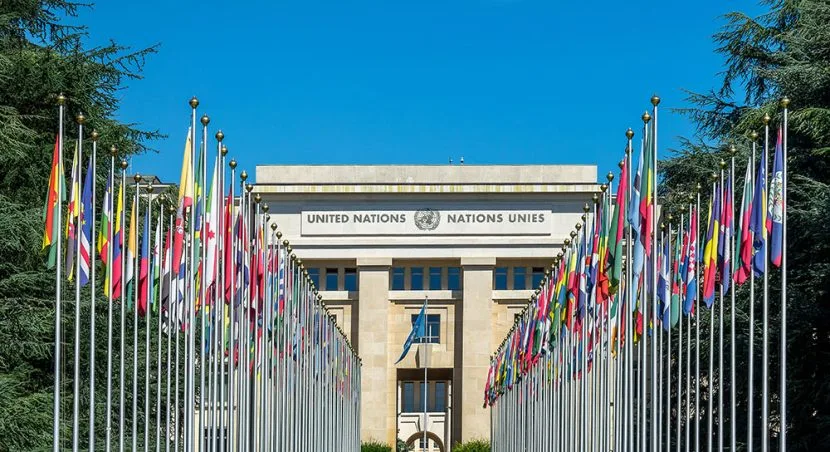
Its primary objective is to help developing countries participate more effectively in the global economy.
Main Functions of UNCTAD
- Promotes international trade and development.
- Supports developing countries in economic growth.
- Provides research and policy recommendations.
- Helps countries integrate into the global market.
- Encourages sustainable development.
Today, UNCTAD has 195 member countries and plays a major role in shaping global trade policies.
What is the Most Favoured Nation (MFN) Principle?
The Most Favoured Nation (MFN) principle is one of the key principles of the World Trade Organization (WTO).
According to this principle, every WTO member country must treat all other member countries equally in trade matters.
Although the term “Most Favoured Nation” sounds like special treatment, it actually means non-discrimination. If a country grants a trade advantage to one WTO member, it must generally extend the same advantage to all other WTO members.
GSP is an exception to the MFN principle because it allows developed countries to provide special trade benefits specifically to developing nations.
Benefits of the Generalised System of Preference (GSP)
The GSP provides several benefits to both developing and developed countries.
1. Promotes Economic Growth
The biggest advantage of GSP is that it supports economic growth in developing countries. Lower tariffs make exports more attractive and increase foreign sales.
2. Expands Trade Opportunities
Developing countries gain better access to large international markets. This helps them diversify their export products and reduce dependence on domestic markets.
3. Creates Employment
Increased exports lead to higher production, which creates jobs in manufacturing, agriculture, textiles, and other sectors.
4. Improves Competitiveness
Companies can offer products at more competitive prices because reduced tariffs lower the final cost of goods.
5. Supports Small Exporters
Small and medium-sized businesses benefit from easier market access and better profit margins.
6. Encourages Industrial Development
As exports increase, industries receive more investment and expand their production capacity.
7. Promotes Global Standards
Many GSP programs encourage beneficiary countries to improve labor rights, intellectual property protection, and governance standards.
Importance of GSP for the United States
The GSP program is not only beneficial for developing countries but also provides advantages to the United States.
Lower-Cost Imports
American businesses can import raw materials and intermediate products at lower costs.
Increased Competitiveness
Lower import costs help US manufacturers produce goods more efficiently and remain competitive in international markets.
Stronger Trade Relationships
The GSP strengthens economic and diplomatic relations between the United States and developing countries.
Consumer Benefits
American consumers can access products at lower prices because reduced tariffs decrease overall import costs.
Importance of GSP for India
India was one of the largest beneficiaries of the US GSP program before its withdrawal in 2019.
The scheme provided major support to Indian exporters and helped increase India’s presence in the US market.
Better Market Access
Indian products received duty-free or reduced-duty access to the US market, making them more competitive.
Increased Exports
The GSP helped Indian businesses export larger quantities of goods to the United States.
Support for New Exporters
New exporters found it easier to enter the American market because lower tariffs reduced trade barriers.
Improved Profit Margins
Reduced import duties allowed exporters to earn better profits and invest further in their businesses.
Integration with Global Value Chains
The GSP enabled Indian industries to become part of international supply chains and global production networks.
Boost to Labor-Intensive Sectors
Industries such as textiles, handloom products, agriculture, engineering goods, and handicrafts gained significant benefits.
Why Did the United States Withdraw GSP Benefits for India?
In 2019, the United States government withdrew GSP benefits for India.
The decision affected approximately 50 product categories, mainly from the handloom and agricultural sectors.
The US government argued that India had not provided sufficient market access to American companies in certain sectors. As a result, India lost its preferential tariff benefits under the US GSP program.
Impact of GSP Withdrawal on India
The withdrawal of GSP benefits had several consequences for Indian exporters.
Reduced Price Competitiveness
Indian products became more expensive in the US market because they were no longer eligible for preferential tariffs.
Impact on Labor-Intensive Industries
Sectors such as:
- Textiles
- Handloom products
- Agriculture
- Leather goods
- Small-scale manufacturing
faced increased challenges in maintaining competitiveness.
Export Challenges
Indian exporters had to pay higher tariffs, increasing the overall cost of their products.
Competition from Other Countries
Countries such as Vietnam and Bangladesh continued to receive preferential access in some markets, making their products more competitive.
Pressure on Small Businesses
Many small and medium exporters experienced reduced profit margins due to higher import duties.
India’s Efforts to Restore GSP Benefits
India has repeatedly raised the issue of restoring GSP benefits during trade discussions with the United States.
During the US-India Trade Policy Forum (TPF) in 2021, India requested the restoration of GSP benefits because the withdrawal affected billions of dollars worth of exports.
Trade experts believe that restoring GSP benefits could strengthen trade relations between the two countries and provide mutual economic benefits.
The Way Forward
The future of GSP remains important for India’s export sector.
Several measures can help improve trade relations:
Strengthening Bilateral Trade Talks
India and the United States can continue discussions to address market-access concerns and resolve trade disputes.
Expanding Export Markets
India should diversify its export destinations and reduce dependence on a single market.
Enhancing Competitiveness
Improving product quality, technology adoption, and manufacturing efficiency can help Indian exporters remain competitive even without tariff preferences.
Supporting Export-Oriented Industries
Government support for labor-intensive sectors can help businesses adjust to changing trade conditions.
Building Stronger Global Trade Partnerships
India can negotiate new trade agreements and strengthen existing partnerships with major economies.
Conclusion
The Generalised System of Preference (GSP) is an important international trade mechanism that helps developing countries expand exports and achieve economic growth. It provides reduced tariffs or duty-free access to developed-country markets, creating employment opportunities and promoting industrial development.
For India, GSP played a crucial role in boosting exports to the United States and supporting sectors such as textiles, agriculture, and handloom products. Although the US withdrew GSP benefits for India in 2019, the program remains significant in discussions about India-US trade relations.
Going forward, strengthening trade cooperation, improving competitiveness, and exploring new export opportunities will be essential for India to maintain its growth in global markets. The restoration of GSP benefits, if achieved in the future, could further enhance trade relations and provide advantages to both India and the United States.
FAQs
Q1. What is the Generalised System of Preference (GSP)?
GSP is a trade program that allows developing countries to export certain products to developed countries with reduced or zero import duties.
Q2. Why was the GSP introduced?
It was introduced to promote economic growth, trade expansion, and industrial development in developing countries.
Q3. When was the GSP adopted?
The GSP was adopted at a UNCTAD conference in New Delhi in 1968 and officially implemented in 1971.
Q4. Why did the United States withdraw GSP benefits from India?
The US withdrew GSP benefits in 2019, citing concerns about market access for American companies in India.
Q5. Which sectors in India were most affected by GSP withdrawal?
Textiles, handloom products, agriculture, leather goods, and other labor-intensive industries were most affected.
Q6. What is the role of UNCTAD in GSP?
UNCTAD proposed and developed the GSP framework to support developing countries in global trade.
Q7. What is the MFN principle?
The Most Favoured Nation principle requires WTO members to treat all trading partners equally without discrimination.
Q8. Can India regain GSP benefits in the future?
Yes, restoration is possible through successful trade negotiations and improved bilateral trade relations with the United States.