

Chanakya Ideologies and Teachings in Modern Life

Chanakya Ideologies still inspire people even after more than 2,000 years. His ideas about leadership, strategy, education, governance, and success remain useful in today’s world. Chanakya taught people to think wisely, act carefully, and stay strong during difficult times. His teachings are practical and based on real-life situations, which is why they continue to guide students, leaders, businesspersons, and policymakers.
Thank you for reading this post, don't forget to subscribe!Who Was Chanakya?
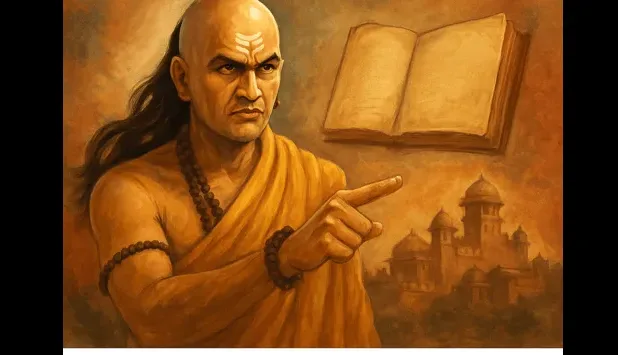
Chanakya, also known as Kautilya and Vishnugupta, lived around 350–275 BCE. He was born into a Brahmin family and studied at Taxila, an ancient center of learning located in present-day Pakistan. Chanakya was a great teacher, economist, philosopher, and political thinker.
He became the chief advisor and prime minister of Chandragupta Maurya, the founder of the Mauryan Empire. Chanakya played a major role in helping Chandragupta build one of the strongest empires in Indian history.
Chanakya is famous for writing two important works:
- Arthashastra
- Chanakya Neeti
These books explain governance, politics, economics, leadership, diplomacy, and life lessons.
What is Arthashastra?
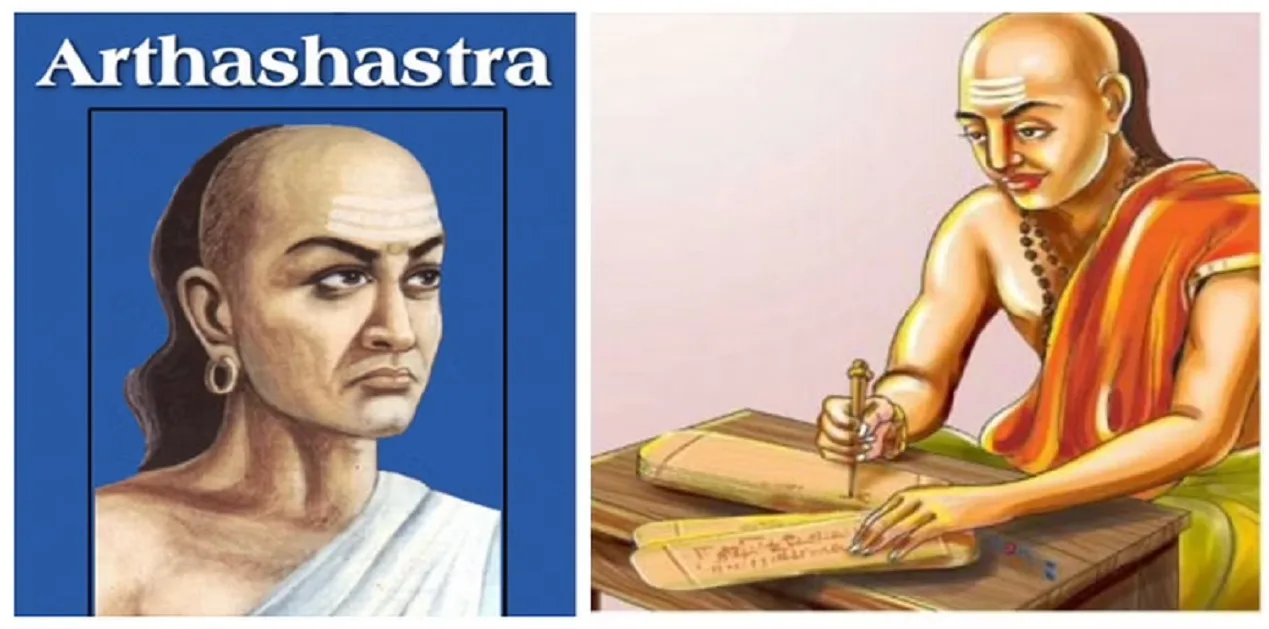
Arthashastra is one of the oldest books on political science, economics, and administration. It served as a guide for rulers on how to manage a kingdom successfully.
The book teaches:
- How to run a government
- How to collect taxes
- How to protect the kingdom
- How to maintain law and order
- How to build strong diplomacy with other states
Chanakya used Arthashastra to train Chandragupta Maurya. Its strategies helped Chandragupta rise from an ordinary person to a powerful king.
Even today, many management experts and political thinkers study Arthashastra because of its practical wisdom.
What is Chanakya Neeti?
Chanakya Neeti is a collection of wise sayings and life lessons given by Chanakya. It focuses on human behavior, success, relationships, leadership, and personal growth.
It teaches important values such as:
- Smart decision-making
- Discipline
- Honesty with wisdom
- Financial management
- Self-control
- Strategic thinking
Chanakya Neeti remains popular because its lessons can be applied in daily life.
Kautilya’s Saptang Theory of State
Chanakya explained the Saptang Theory of State, which means Seven Elements of a Strong State. According to him, a successful kingdom depends on seven important parts.
1. Swami (The Ruler)
The ruler or king is the central figure of the state. A good ruler should be wise, disciplined, and dedicated to public welfare. The ruler must make fair decisions and protect the people.
2. Amatya (The Ministers)
Ministers help the ruler in administration. They should be intelligent, trustworthy, and skilled in governance. Good advisors strengthen a kingdom.
3. Janapada (People and Territory)
This includes the land and the people. A good state should have fertile land, natural resources, rivers, forests, and hardworking citizens. Strong people build a strong nation.
4. Durga (Fortification)
Durga means forts or defensive systems. Security is necessary for protecting the state from enemies and maintaining peace.
5. Kosha (Treasury)
The treasury represents financial strength. Without money, a state cannot build roads, pay soldiers, or support welfare programs.
6. Danda (Army)
A powerful army protects the nation from external threats and keeps internal order. Security is essential for development.
7. Mitra (Allies)
Friendly relations with other kingdoms are important. Alliances help in trade, diplomacy, and defense.
According to Chanakya, all seven elements must work together for a state to remain stable and prosperous.
Major Chanakya Ideologies
Chanakya shared many powerful ideas about life and leadership. Some of his most famous teachings are still relevant today.
Project Strength
Chanakya said:
“Even if a snake is not poisonous, it should pretend to be venomous.”
This means a person should appear confident and strong, even during weakness. Showing confidence can discourage enemies and build respect.
In modern life, confidence helps in interviews, business, leadership, and negotiations.
Greatness Comes from Actions
Chanakya said:
“A man is great by deeds, not by birth.”
He believed that greatness depends on actions, character, and achievements not family background or status.
This teaching encourages equality and hard work. Anyone can become successful through effort and dedication.
Honesty Should Be Balanced with Wisdom
Chanakya said:
“A person should not be too honest.”
This does not promote dishonesty. Instead, Chanakya warns that blind honesty without caution can make a person vulnerable.
He teaches people to be honest but also practical and careful in difficult situations.
Think Before Acting
Chanakya advised asking three questions before starting any work:
- Why am I doing this?
- What will be the result?
- Will I succeed?
These questions improve decision-making. They help people avoid careless mistakes and plan wisely.
Never Fear Failure
Chanakya believed that fear should not stop progress.
Once you begin a task, work sincerely and continue despite difficulties. Success often comes after repeated effort.
This lesson is valuable for students preparing for exams, entrepreneurs starting businesses, and professionals facing challenges.
Face Fear Directly
Chanakya taught:
“As soon as fear approaches, attack and destroy it.”
Fear grows when ignored. Facing problems directly reduces anxiety and builds courage.
This teaching encourages confidence and action.
Learn from Others’ Mistakes
Chanakya said:
“Learn from the mistakes of others.”
A wise person observes others and avoids repeating their failures. Learning from others saves time and prevents unnecessary suffering.
This principle is important in education, business, and personal life.
Relevance of Chanakya’s Teachings Today
Chanakya’s ideas are not limited to ancient kingdoms. They remain highly useful in modern society.
Importance of Education
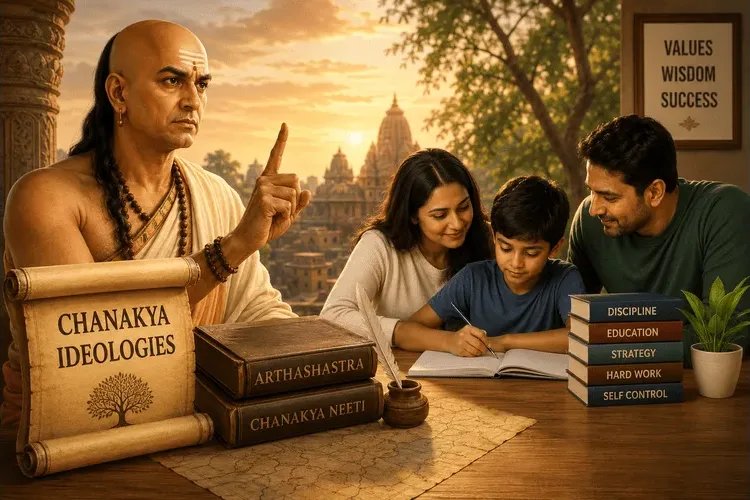
Chanakya strongly supported education. He believed knowledge creates strength and success.
Today, education remains the foundation of career growth and personal development. Learning improves thinking and decision-making.
Leadership and Human Nature
Chanakya understood human behavior deeply. He believed leaders must understand people’s strengths, weaknesses, intentions, and motivations.
Modern leaders, teachers, managers, and politicians also need this skill to communicate effectively.
Strategic Thinking
Chanakya’s teachings on planning and strategy are highly relevant in business and politics.
Successful organizations often win because they think ahead, prepare for risks, and act wisely.
Ethics in Leadership
Chanakya believed leaders must follow moral values to earn trust.
Today, ethical leadership matters in governments, companies, and institutions. People trust leaders who are honest, fair, and responsible.
Financial Stability
Chanakya emphasized strong financial management.
This applies not only to governments but also to families and individuals. Saving money, budgeting, and managing expenses are essential for long-term security.
Good Governance and Public Welfare
Chanakya believed the ruler’s duty was to ensure public welfare.
Modern governments also focus on:
- Economic growth
- Social justice
- Public services
- Security
- Development
A strong nation grows when leaders prioritize citizens’ welfare.
Why Chanakya Still Matters
Chanakya’s teachings survive because they are practical and realistic. He understood that success requires intelligence, discipline, planning, courage, and ethical leadership.
His ideas help people:
- Make better decisions
- Handle challenges
- Become strong leaders
- Manage money wisely
- Improve personal growth
Even after centuries, Chanakya Ideologies continue to guide people in building successful and meaningful lives.
FAQs
1. Who was Chanakya?
Chanakya was an ancient Indian philosopher, economist, and political strategist. He was the advisor of Chandragupta Maurya and author of Arthashastra.
2. What is Chanakya famous for?
Chanakya is famous for his political wisdom, strategic thinking, and books like Arthashastra and Chanakya Neeti.
3. What is Arthashastra?
Arthashastra is an ancient Indian book on governance, economics, taxation, diplomacy, and state administration.
4. What is Chanakya Neeti?
Chanakya Neeti is a collection of practical life lessons and moral teachings about success, leadership, and human behavior.
5. What is the Saptang Theory of State?
The Saptang Theory explains seven important elements of a strong state: ruler, ministers, people, fort, treasury, army, and allies.
6. Why are Chanakya’s teachings relevant today?
His teachings remain relevant because they offer practical guidance on leadership, decision-making, financial management, and personal growth.
7. What did Chanakya say about success?
Chanakya believed success comes from planning, hard work, discipline, courage, and learning from mistakes.
8. What can students learn from Chanakya?
Students can learn discipline, strategic thinking, focus, confidence, and the importance of education from Chanakya.