




India Ship Recycling Leads Globally

India Ship Recycling has reached a major milestone as India emerged as the world’s top ship recycling nation in 2025. The country achieved a global share of 35.4 percent, recycling nearly 2.99 million gross tons of ships. This marks a strong rise from the previous year, showing rapid growth in the sector.
Thank you for reading this post, don't forget to subscribe!The achievement reflects India’s expanding role in the global maritime industry. With increasing demand for recycled materials and sustainable practices, ship recycling has become an important part of the circular economy.
Understanding Ship Recycling Industry
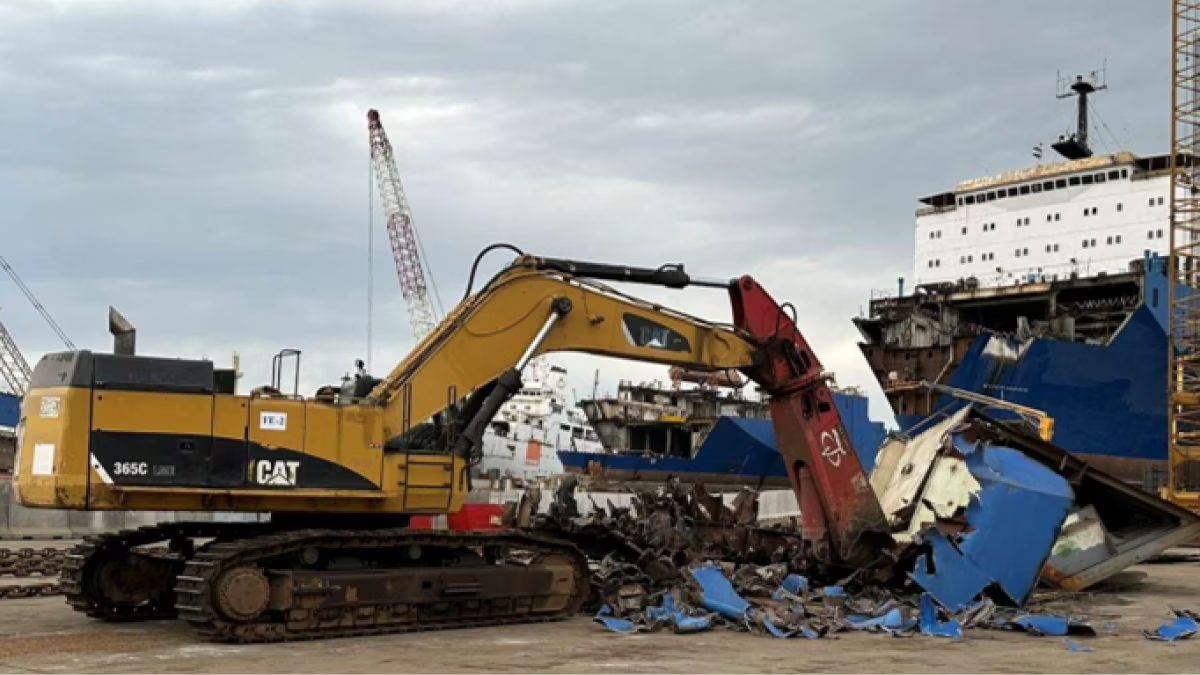
Ship recycling involves breaking down old and unused ships to recover valuable materials like steel, machinery, and equipment. These materials are reused in construction, manufacturing, and other industries.
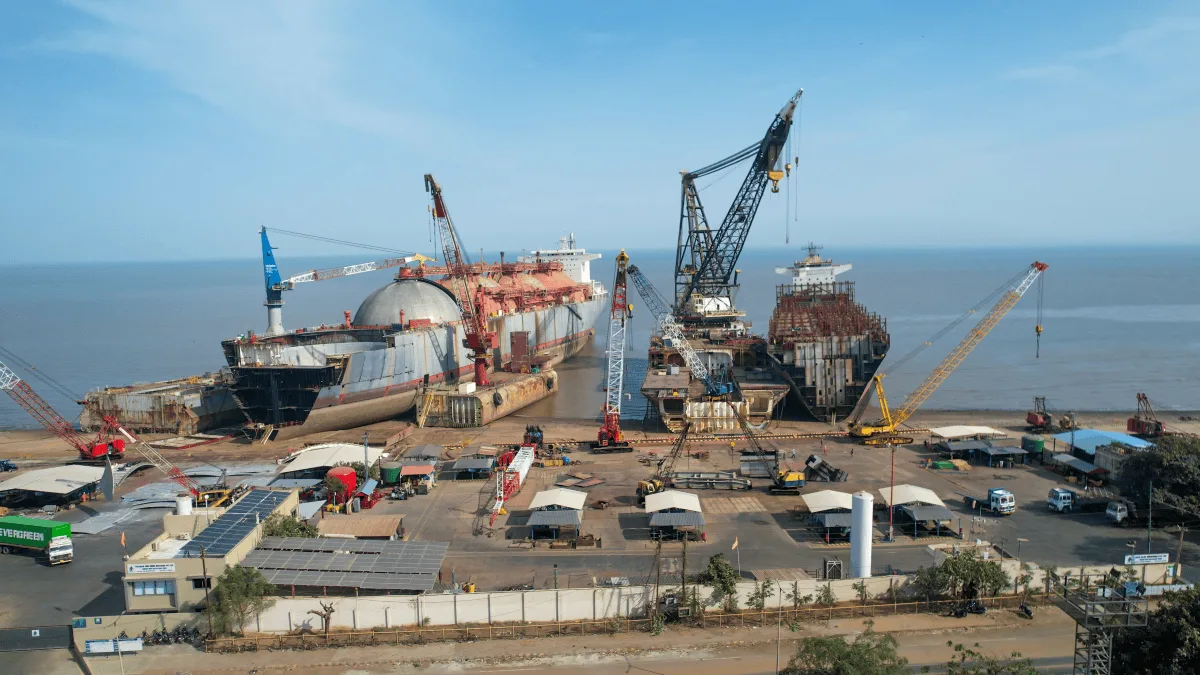
India’s ship recycling industry is mainly located in Alang, one of the largest ship recycling yards in the world. This location has become a central hub for dismantling ships from different countries.
The industry not only supports material recovery but also creates jobs and boosts local economic activity.
Growth Ahead of National Targets
India achieved this global leadership position earlier than expected under its maritime development plans. The growth in recycling volume from 1.86 million gross tons in 2024 to 2.99 million in 2025 highlights the fast pace of expansion.
This progress shows how policy support, infrastructure development, and global demand are working together to strengthen the sector.
The ship recycling industry is now seen as a key contributor to India’s economic growth and sustainability goals.
Legal Framework and Global Standards
The industry operates under the Recycling of Ships Act, 2019, which provides rules for safe and environmentally responsible ship dismantling.
India has also aligned its practices with the Hong Kong International Convention for the Safe and Environmentally Sound Recycling of Ships. This global agreement focuses on worker safety, proper handling of hazardous materials, and eco-friendly recycling methods.
The convention became mandatory in June 2025, making compliance essential for ship recycling facilities worldwide.
Infrastructure and Modernisation Efforts
The Ministry of Ports, Shipping and Waterways has supported the sector with financial assistance for modernisation. Around ₹53.5 crore has been invested to upgrade facilities and improve safety standards.
As a result, more than 100 ship recycling yards have achieved compliance with international norms. These upgrades include better waste management systems, improved worker safety measures, and advanced dismantling techniques.
India also plans to expand its recycling capacity significantly in the coming years, aiming to handle larger volumes of ships.
Expanding Capacity at Alang
The expansion of the Alang Ship Recycling Yard is a key part of India’s strategy. The goal is to increase capacity to around 9 million light displacement tons.
This expansion will allow India to handle more ships while maintaining safety and environmental standards. It will also strengthen the country’s position as a global leader in ship recycling.
The development of infrastructure at Alang is expected to attract more international business.
South Asia’s Role in Global Ship Recycling
South Asia remains a major centre for ship recycling, with countries like Bangladesh and Pakistan also playing important roles.
A large number of ships are sent to this region due to lower costs and established recycling facilities. India’s rise to the top position shows its growing competitiveness within this regional market.
The region continues to handle a significant share of global ship dismantling activities.
Environmental and Safety Concerns
Despite growth, the industry faces challenges related to safety and environmental impact. Reports have highlighted concerns about worker safety and hazardous waste handling in some ship recycling yards.
In 2025, several incidents involving injuries and fatalities were reported in South Asia’s shipbreaking sector. These concerns underline the importance of strict safety standards and continuous monitoring.
Efforts are being made to improve working conditions and ensure that environmental guidelines are followed more effectively.
Economic and Industrial Importance
India Ship Recycling plays a key role in supplying recycled steel and materials to various industries. This reduces the need for raw material extraction and supports sustainable development.
The industry also contributes to employment and supports local economies, especially in coastal regions. With global shipping activity increasing, the demand for recycling old vessels is expected to remain strong.
Additional Perspective on Industry Trends
India Ship Recycling is gaining importance as countries focus on sustainability and resource efficiency. Recycling ships helps reduce waste and supports the reuse of valuable materials.
With global attention on environmental standards and green practices, India’s efforts to align with international norms are becoming more important. The industry is expected to evolve further with better technology, stricter regulations, and increased global demand.