



PFAS in Human Blood: Study Finds Chemicals in 98.8% Samples

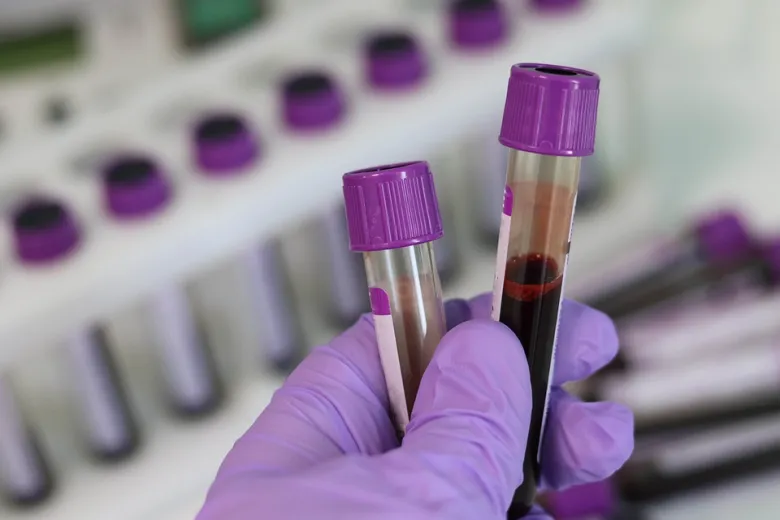
A recent U.S. study has revealed shocking results about PFAS in Human Blood. Researchers found these harmful chemicals in 98.8% of 10,566 blood samples tested. The study was published in the Journal of Occupational and Environmental Hygiene in April 2026. Scientists say the findings show how widely these chemicals have spread in the environment and inside the human body.
Thank you for reading this post, don't forget to subscribe!What Are PFAS Chemicals?
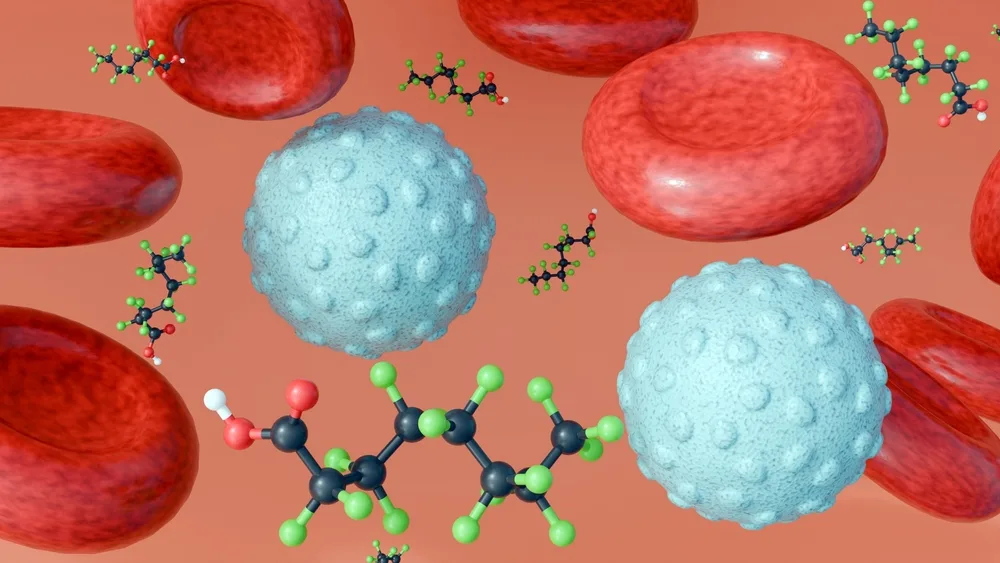
PFAS stands for per- and polyfluoroalkyl substances. These are man-made chemicals used in many industrial and household products. PFAS are popular because they resist heat, water, oil, and stains. They are commonly found in food packaging, textiles, furniture, adhesives, and non-stick cookware.
These chemicals are often called “forever chemicals” because they break down very slowly in nature and can remain in the body for many years.
Study Finds PFAS in Nearly All Blood Samples
The research analysed serum and plasma samples collected from 10,566 people. Scientists detected multiple PFAS chemicals in 98.5% of the samples. Only 0.18% of the samples contained a single PFAS chemical.
The study also identified more than 70 different PFAS combinations. One chemical, PFHxS (perfluorohexane sulfonic acid), was found in 97.9% of the tested samples. PFHxS is commonly used in textiles, furniture, and industrial products.
How People Are Exposed to PFAS
People can come into contact with PFAS through several sources. Contaminated drinking water is considered one of the biggest risks. PFAS can also enter the body through food packaging, household products, and workplace exposure in certain industries.
Because these chemicals stay in the environment for a long time, they can slowly build up inside the human body over the years.
Health Risks Linked to PFAS Exposure
Scientists and health experts have linked some PFAS chemicals to serious health problems. Studies suggest that long-term exposure may increase the risk of kidney cancer, testicular cancer, liver damage, and immune system disorders.
Research also shows that PFAS may affect reproductive health and child development. Experts are now studying how different PFAS mixtures may work together and increase health risks.
Biomonitoring Helps Scientists Track Exposure
Biomonitoring studies measure chemicals or their by-products in human tissues and body fluids like blood. In this research, scientists used serum and plasma samples to study PFAS exposure levels.
Researchers are also using chemical mixture assessment methods to understand how multiple PFAS chemicals interact inside the body. These effects may be additive, synergistic, or antagonistic, making the health impact more complex.