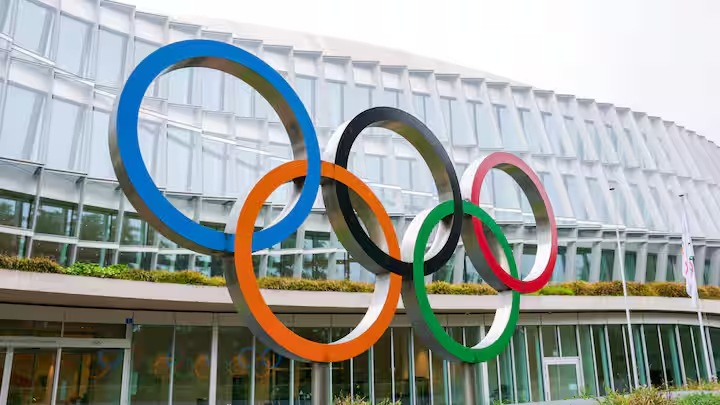
Olympic Host Selection Process for 2036

Olympic Host Selection follows a detailed process led by the International Olympic Committee (IOC) to identify a city, region or country that can successfully organise the Games. The process now focuses more on dialogue, feasibility, sustainability and long-term benefits instead of the traditional bidding competition. The selection process for the 2036 Summer Olympics is expected to move through several stages before the final host is chosen.
Thank you for reading this post, don't forget to subscribe!IOC and the New Host Selection System
The International Olympic Committee was founded on June 23, 1894, in Paris and serves as the main governing body of the Olympic Movement. The first modern Olympic Games were held in Athens in 1896. The Summer Olympics are normally held every four years.
In 2019, the IOC introduced major changes to the way future Olympic hosts are selected. The reforms moved away from the traditional bidding system, where cities competed directly against each other. Instead, the IOC now uses a dialogue-based approach to understand whether a proposed Games project is realistic, sustainable and useful for the host region.
Cities, regions and countries can develop Olympic projects with the support of their National Olympic Committees. More than one city or region can also work together on a single proposal.
Continuous Dialogue
The first stage is called Continuous Dialogue. At this stage, interested cities, regions or countries can speak with the IOC about their Olympic plans without formally committing to host a particular edition of the Games.
The potential host can develop its project according to local needs and long-term development plans. The IOC provides technical support and examines whether the proposal is feasible.
There is no requirement at this stage to submit a complete candidature file or provide final financial guarantees. The approach allows potential hosts to understand the requirements before moving into a more detailed process.
Strategic Dialogue
After a feasibility assessment, the IOC Executive Board may invite selected interested parties to enter Strategic Dialogue. At this stage, the process becomes more detailed and formal.
Potential hosts initially respond to the Future Host Questionnaire and provide important legal and financial guarantees. The IOC offers additional technical support, while the Future Host Commission may visit the proposed host region.
For the 2036 Olympic Games, Strategic Dialogue is scheduled to begin in March 2027 and is expected to continue until the end of 2028. This stage allows the IOC to examine the practical details of the proposed Games.
Targeted Dialogue and Preferred Hosts
The next stage is Targeted Dialogue. The IOC Executive Board selects a limited number of Preferred Hosts for detailed final evaluation.
The selected proposals must provide a complete set of legal and financial guarantees. The Future Host Commission then prepares a detailed assessment report for IOC members.
For the 2036 Games, Targeted Dialogue is expected to begin in December 2028. This stage is important because it allows the IOC to closely examine the remaining proposals before the final election.
Final Host Election
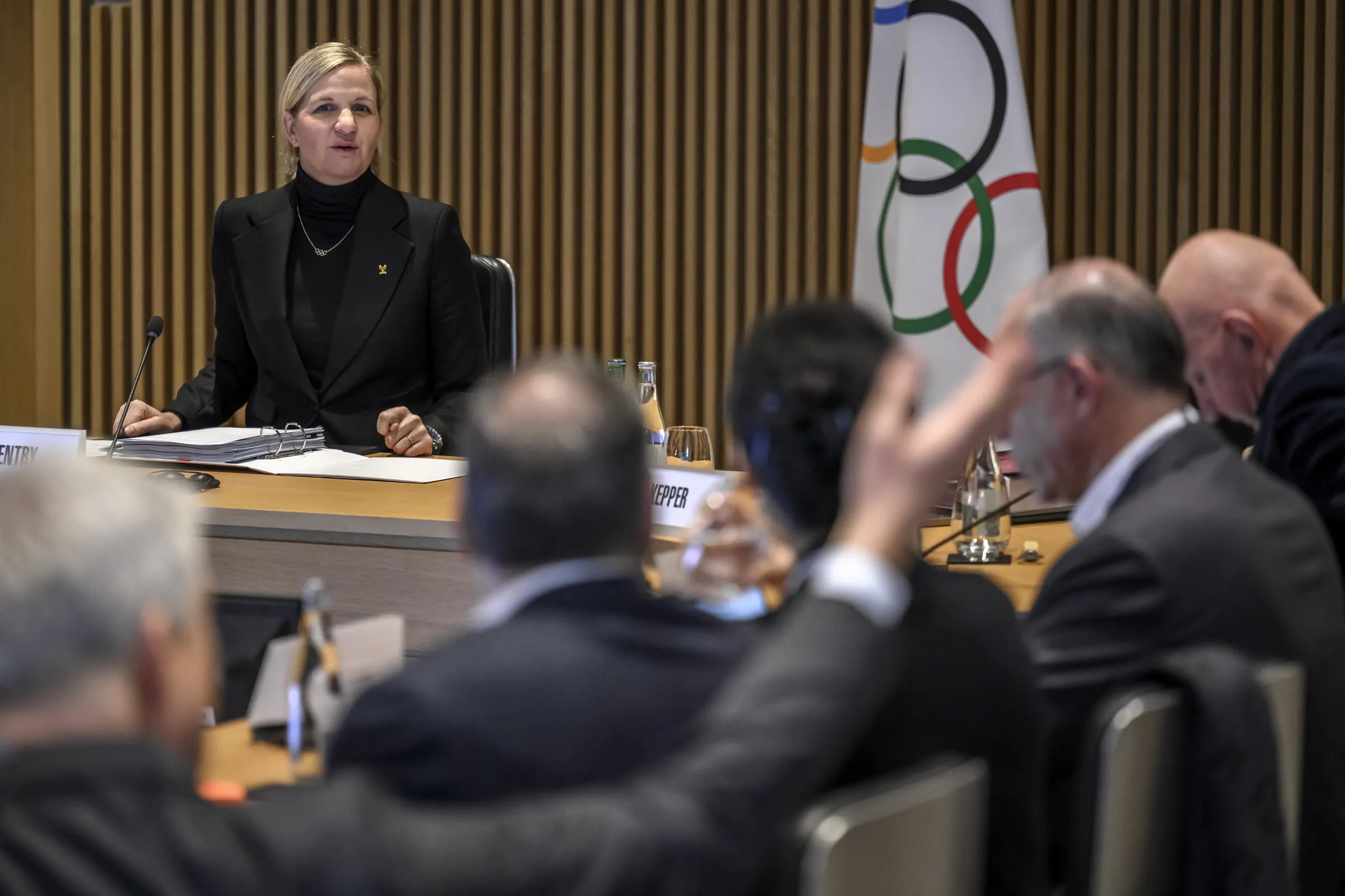
After the detailed evaluation, Preferred Hosts present their projects to IOC members. They also make a final presentation to the IOC Session.
IOC members then elect the host through a secret ballot. Once a host is selected, it signs the Olympic Host Contract with the IOC.
For the 2036 Summer Olympics, the host is planned to be selected in mid-2029. The timeline gives the IOC several years to study the proposals before the final decision.
What the IOC Looks For
The Olympic Host Selection process considers much more than stadiums and sports facilities. The IOC examines whether a proposed host has the ability to organise the Games while managing financial, environmental and social responsibilities.
The venue masterplan is an important part of the assessment. The IOC looks at the suitability of sports venues, facilities and arrangements for athletes.
Financial planning is another major factor. A potential host must demonstrate that it has a credible strategy to finance the organisation and staging of the Games. Legal and financial guarantees are also part of the later stages.
Public and political support is considered as well. Support from local, regional and national authorities, along with public backing, can help demonstrate that the project has a strong foundation.
The IOC also examines the host’s experience in organising major international events. Managing transport, security, accommodation, venues and other services requires extensive planning and coordination.
Sustainability and Long-Term Legacy
Sustainability has become a major part of Olympic planning. Host proposals are assessed for their environmental impact as well as their wider social and economic effects.
The IOC also looks at the long-term legacy of the Games. This includes whether new infrastructure can continue to benefit residents after the Olympics, how projects fit into existing development plans and whether investments can provide lasting value.
The overall vision for the Games is another part of the assessment. Potential hosts are expected to explain how their plans fit with the wider goals of the Olympic Movement.
India and the 2036 Olympics
India is among the countries that have expressed interest in hosting the 2036 Summer Olympics. The Indian proposal is centred on Ahmedabad in Gujarat.
Other countries reported to be in discussions with the IOC include Qatar, South Africa, South Korea, Germany, Hungary and Turkey. The final selection will depend on the IOC’s assessment process and the subsequent dialogue stages.
Ahmedabad is being developed as the main focus of India’s Olympic proposal. The city is also set to host the 2030 Commonwealth Games, which could provide experience in preparing for major international sporting events.
The Narendra Modi Stadium in Ahmedabad has a reported seating capacity of 132,000 and is one of the major sporting venues associated with the city’s proposed Olympic plans.
2036 Selection Timeline
The process for the 2036 Games is expected to follow a clear timeline. National Olympic bodies interested in entering the process have until October 31, 2026 to do so.
The Strategic Dialogue stage is scheduled to begin in March 2027, followed by Targeted Dialogue expected from December 2028. The final Olympic host election is planned for mid-2029.
This dialogue-based system gives the IOC time to examine feasibility, funding, public support, sustainability, infrastructure and long-term benefits before selecting the host of the 2036 Summer Olympics.