


Industrial Overcapacity Action

Industrial Overcapacity has become the focus of a new international trade initiative after India joined the United States and 13 other economies in calling for coordinated action against excess industrial production. The joint statement was signed in Washington on October 7, 2026, during discussions held alongside the Organisation for Economic Co-operation and Development (OECD) Trade Committee. The participating economies want countries to address production capacity that remains above market demand and policies they say can distort competition.
Thank you for reading this post, don't forget to subscribe!Countries Call for Coordinated Action
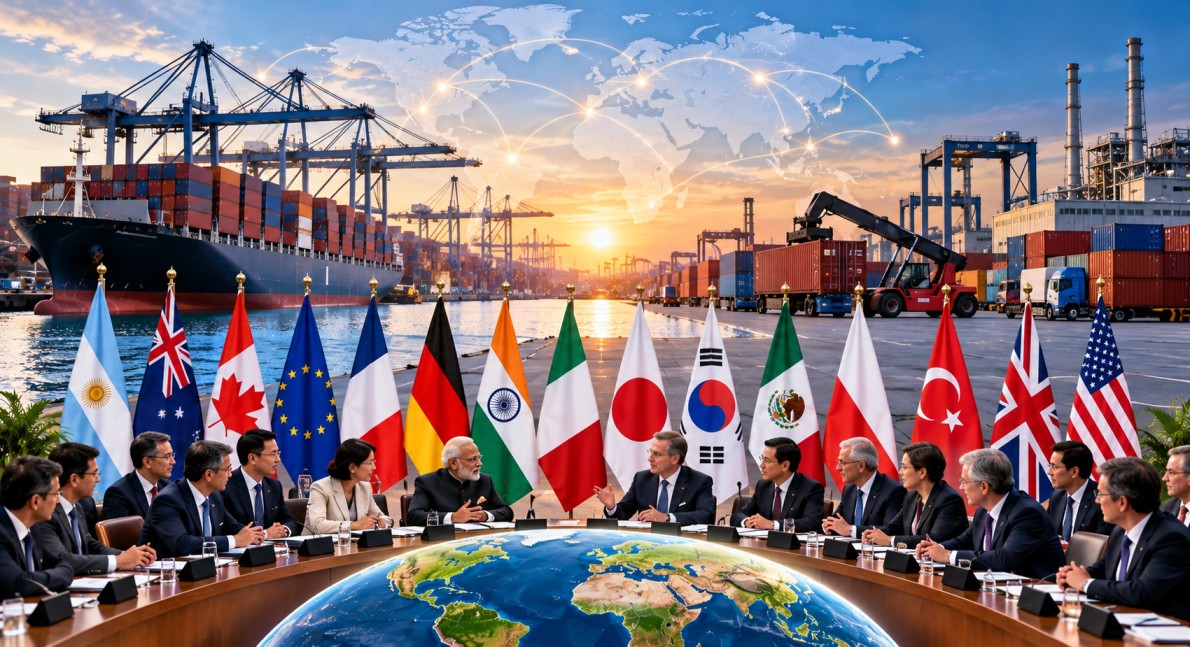
The statement brings together trade ministers from Argentina, Australia, Canada, the European Union, France, Germany, India, Italy, Japan, South Korea, Mexico, Poland, Türkiye, the United Kingdom and the United States.
The countries agreed to work through new sector-specific platforms to study structural excess capacity and production in key manufacturing industries. The platforms are expected to examine the causes of excess production and consider possible actions.
The statement also calls on countries to reduce the use of non-market policies and practices that can influence production and trade conditions. The participating governments say coordinated work is needed because excess production in one market can affect manufacturers and workers in other countries.
What Is Industrial Overcapacity?
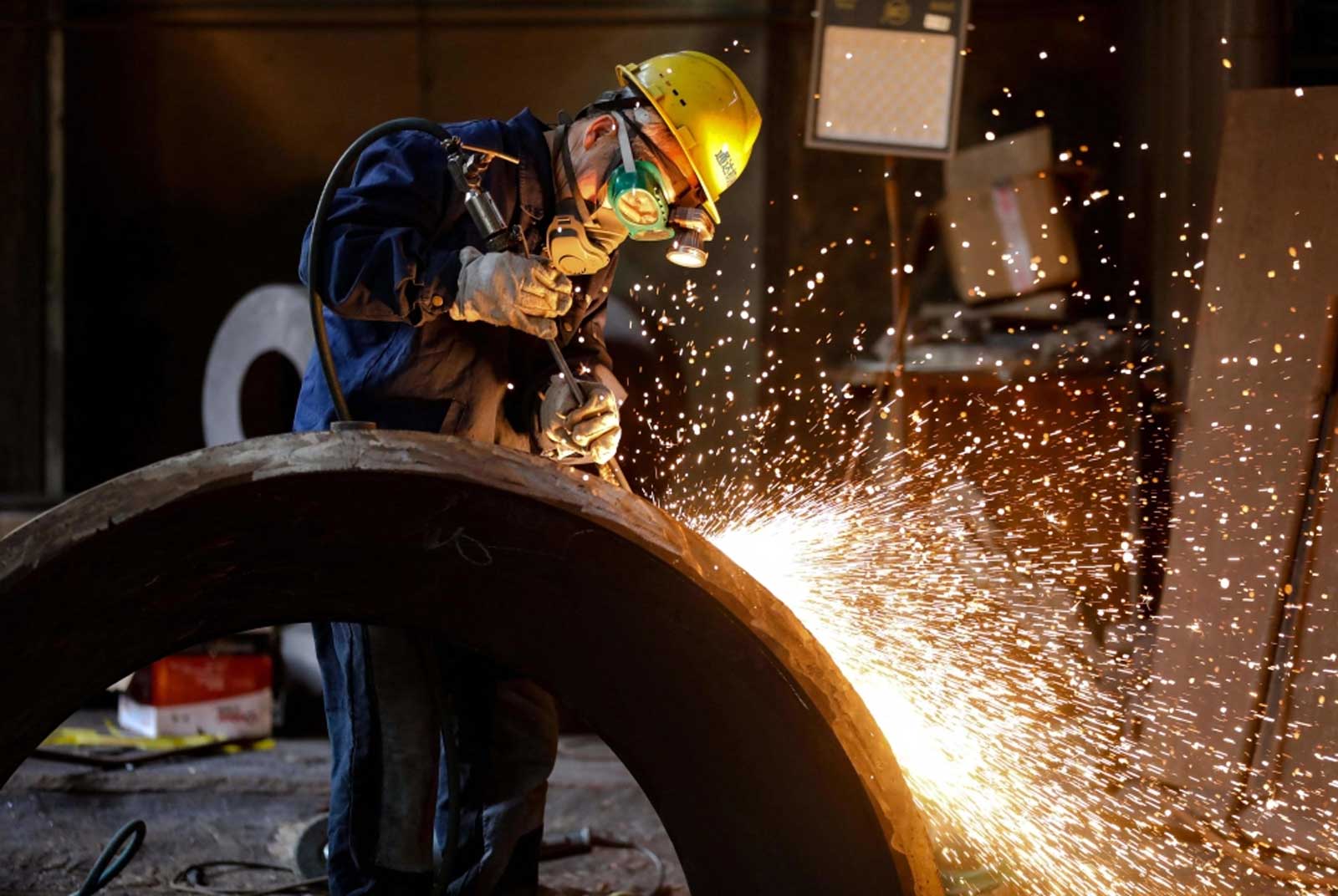
Industrial Overcapacity occurs when industries have the ability to produce more goods than markets can absorb at sustainable levels. This can result in factories operating below their full capacity, falling prices, trade imbalances and pressure on producers in other countries.
The issue has become more important as major economies compete in sectors such as steel, automobiles, batteries, solar products and other manufactured goods. Governments are increasingly examining how subsidies, state support and other policies affect global production and trade.
The United States Trade Representative has separately been investigating structural excess capacity and production in several manufacturing sectors under Section 301 of US trade law. The investigation includes a number of major trading partners, including India, China, Japan, South Korea and the European Union.
India Joins the Washington Initiative
India’s participation gives the country a place in the new sector-based discussions on global manufacturing capacity. The move comes as New Delhi continues to expand its manufacturing base while also seeking greater access to international markets.
India has been increasing domestic production in areas including electronics, automobiles, renewable-energy equipment and other industrial sectors. At the same time, the country has raised concerns in different trade forums about market access, supply chains and competition.
The new statement does not create an immediate tariff or trade restriction. Instead, it establishes cooperation among the participating economies to examine structural excess production and develop possible responses.
G20 Differences Remain
The initiative also highlights differences within the G20. China, Brazil, Indonesia, Russia, Saudi Arabia and South Africa did not sign the joint statement.
The issue had already been discussed during the G20 Trade Ministerial in Milwaukee. However, the wider G20 group did not reach agreement on excess industrial capacity and some other trade issues. The Washington statement therefore brings together a smaller group of economies that agreed to continue working on the issue outside the full G20 format.
The differences are significant because the G20 includes many of the world’s largest manufacturing and trading economies. A separate group working on excess capacity could lead to further discussions over how governments support industries and how global markets should respond.
Focus on Key Manufacturing Sectors
The new initiative will focus on selected manufacturing sectors where production capacity can have a major effect on international trade. The exact sectors for the dedicated platforms are expected to be examined through further discussions.
The United States has argued that persistent excess production can put pressure on domestic manufacturers, while participating economies have agreed that the issue needs closer international attention. The joint statement specifically links structural excess capacity with policies and practices that can distort markets.
The discussions also come at a time when countries are reassessing supply chains after disruptions in recent years. Governments are looking more closely at where products are made, how much capacity exists and how industrial policies affect global competition.
A New Phase in Global Trade Talks
The Industrial Overcapacity initiative adds another issue to the changing global trade environment in 2026. Trade disputes over tariffs, subsidies, critical minerals, technology and supply-chain security have already become major topics among large economies.
The new joint statement does not immediately introduce new trade barriers. Instead, it creates a framework for participating economies to share information, study sector-specific problems and consider actions related to excess production.
For India, participation also comes as it seeks to strengthen its position in global manufacturing and supply chains. The coming sectoral discussions will determine how the participating economies turn the Washington agreement into specific measures and how other major trading partners respond.