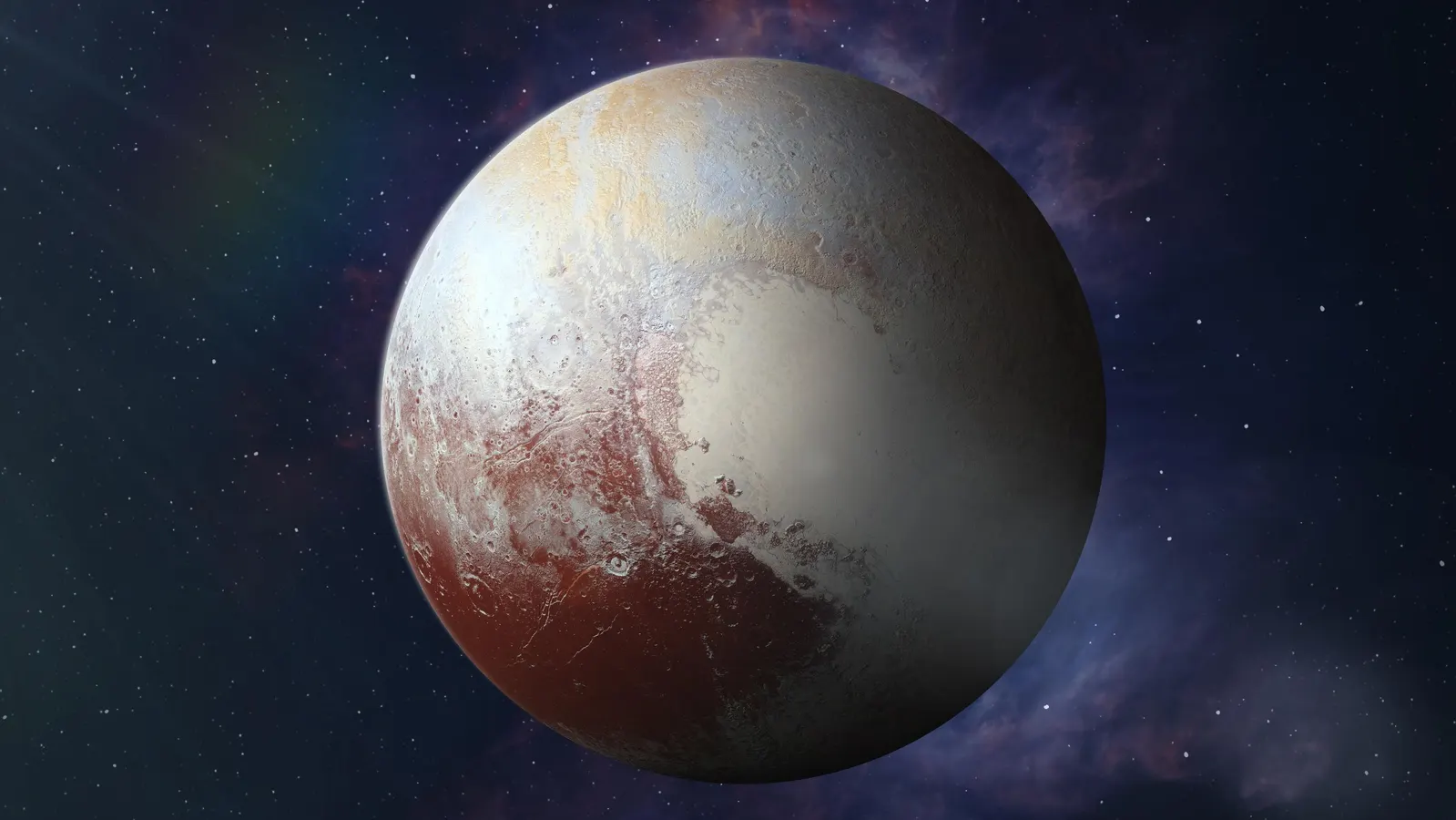
Pluto Debate: Planet Status Back in Focus

Pluto Debate has come back into the spotlight after a young student’s letter received a response from NASA leadership. The discussion about whether Pluto should be called a planet again has once again caught global attention. People across the world are now talking about space science, planetary rules, and how scientific ideas can change over time.
Thank you for reading this post, don't forget to subscribe!Pluto was once known as the ninth planet of the solar system. For many years, students learned about it alongside Mercury, Venus, Earth, and the other planets. However, that changed in 2006, when International Astronomical Union introduced new rules for defining a planet. This decision led to Pluto being reclassified as a dwarf planet, which surprised many people and even disappointed space enthusiasts.
How Pluto Lost Its Planet Status
Pluto was discovered in 1930 by Clyde Tombaugh, and it quickly became an important part of the solar system story. For decades, it held its place as the ninth planet. But as scientists learned more about space, especially regions beyond Neptune, new objects were found that were similar in size to Pluto.
To bring clarity, the International Astronomical Union created a clear definition of what makes a planet. According to these rules, a celestial body must meet three conditions. It must orbit the Sun, be round in shape due to its gravity, and clear its orbital path of other objects.
Pluto meets the first two conditions. It orbits the Sun and has a nearly round shape. However, it does not clear its orbital path. It shares its space with many other icy objects in a distant region called the Kuiper Belt. Because of this, Pluto was placed in a new category known as dwarf planets.
A Child’s Question Sparks Global Talk
The Pluto Debate gained fresh attention after a 10-year-old student wrote a letter to NASA asking why Pluto cannot be a planet again. The letter included interesting points about Pluto’s size, location, and its moons. It also showed how younger generations are curious about space and eager to understand it.
In response, NASA Administrator Jared Isaacman replied and said that the topic is being “looked into.” While this does not mean any immediate change, it was enough to bring Pluto back into public discussion.
Social media platforms quickly picked up the story. Many users began sharing their opinions, with some supporting Pluto’s return as a planet and others defending the current scientific definition. The topic even trended online, showing how space science can still excite people in the digital age.
What Makes Pluto Special
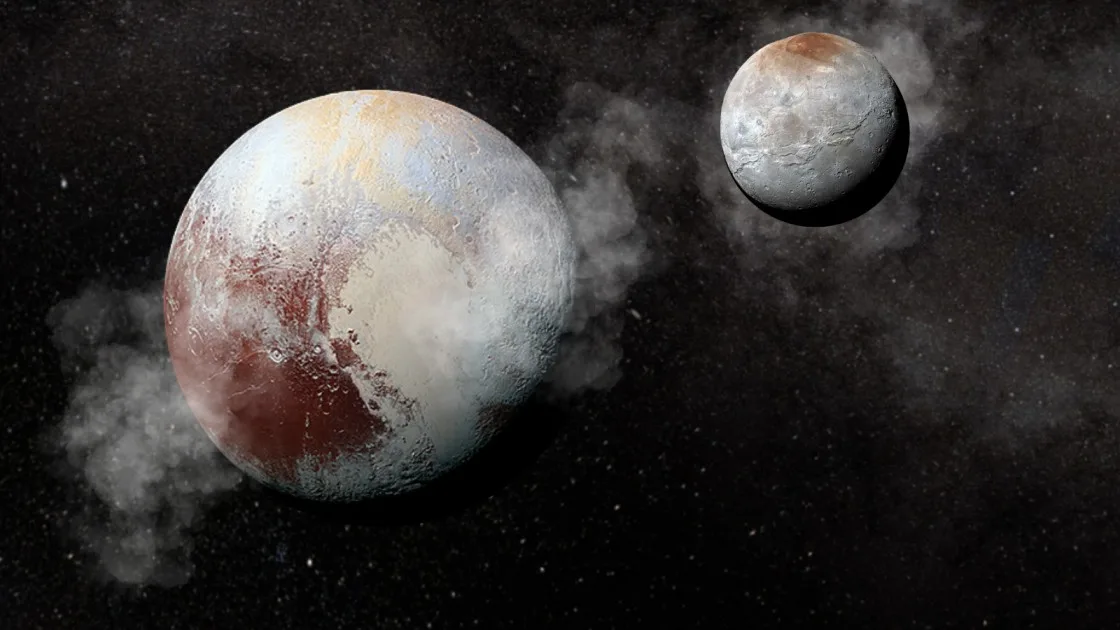
Even though Pluto is now called a dwarf planet, it remains one of the most interesting objects in the solar system. It has five known moons, with Charon being the largest. Charon is so big compared to Pluto that the two are sometimes considered a double system.
Pluto also has mountains made of ice, a thin atmosphere, and changing seasons. These features were revealed in detail during NASA’s New Horizons mission, which flew past Pluto in 2015. The mission gave scientists a closer look at this distant world and showed that it is more complex than once thought.
Because of these discoveries, some scientists believe Pluto deserves more recognition. They argue that being a “dwarf planet” does not fully capture its unique features.
Science Is Always Changing
The Pluto Debate highlights an important idea: science is not fixed. As new discoveries are made, definitions and classifications can change. What people learn in school today might be updated in the future based on new evidence.
In recent years, space research has advanced quickly. Missions to Mars, studies of exoplanets, and new telescope images have expanded our understanding of the universe. With better technology, scientists are discovering more objects in space, which makes classification more complex.
The discussion about Pluto also shows how public interest can influence scientific conversations. While decisions are based on research and global agreement among experts, curiosity from people including young students can bring attention to important topics.
Modern Space Curiosity and Public Engagement
Today, space science is more accessible than ever. Through live rocket launches, online space events, and educational content, people can follow discoveries in real time. Organizations like NASA regularly share updates on missions, planets, and new findings.
The Pluto Debate fits into this larger trend of growing interest in space. From private space companies to international collaborations, the world is focusing more on exploring beyond Earth. Questions like whether Pluto should be a planet again show how even small topics can spark big discussions.
Many educators also see this as a positive moment. It encourages students to ask questions, explore science, and think critically. Whether Pluto’s status changes or not, the conversation itself helps people learn more about the solar system.
For now, Pluto remains classified as a dwarf planet. But with ongoing discussions and new discoveries, the story of Pluto continues to evolve, keeping the curiosity about space alive.