Rare Lizard Discoveries in the Western Ghats

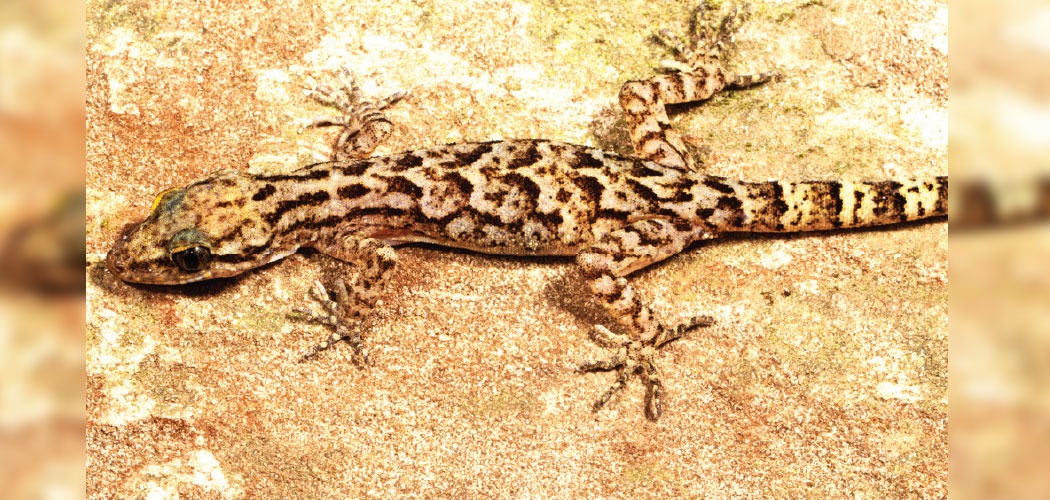
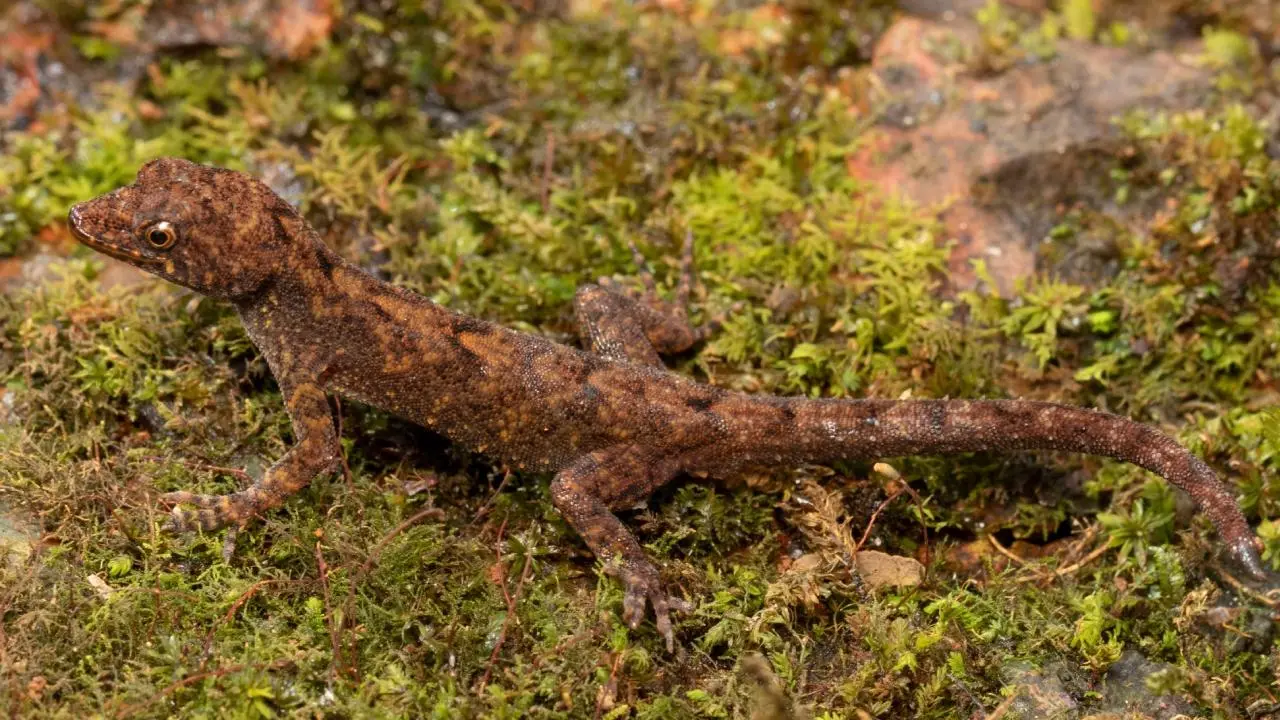
Western Ghats Lizard Discoveries have once again highlighted the immense biodiversity of this UNESCO World Heritage region. Recent surveys conducted across the northern parts of Kerala have revealed fascinating findings about rare and endemic lizard species. For the first time, Beddome’s cat skink (Ristella beddomii) has been recorded in both the Aralam and Kottiyoor Wildlife Sanctuaries. Additionally, researchers have reconfirmed the presence of the critically endangered Kottiyoor Day Gecko (Cnemaspis kottiyoorensis) a species rediscovered after decades.
Thank you for reading this post, don't forget to subscribe!These remarkable findings underscore the Western Ghats’ status as one of the world’s most important biodiversity hotspots and highlight the urgent need to strengthen ongoing conservation efforts in this fragile ecosystem.
Western Ghats Lizard Discoveries: Survey Overview and Key Findings
The biodiversity survey that led to these discoveries was conducted from 20 to 23 September, jointly organized by the Kerala Forest Department and the Malabar Awareness and Rescue Centre for Wildlife (MARC). The team recorded six previously unreported agamid lizards, four skink species, and five geckos across various habitats.
The most significant finding was the first-ever documentation of Beddome’s cat skink in Aralam and Kottiyoor sanctuaries. Additionally, the survey confirmed that the Kottiyoor Day Gecko continues to inhabit the Suryamudi forest area within Kottiyoor Wildlife Sanctuary, reinforcing its importance as a haven for rare reptilian life.
Experts note that such discoveries not only enrich scientific understanding but also help identify microhabitats that require immediate protection.
Western Ghats Lizard Discoveries: Beddome’s Cat Skink A Rare Endemic Species
Among the newly recorded species, Beddome’s cat skink (Ristella beddomii) stands out due to its rarity and specialized habitat preferences. This small, reddish-brown lizard features retractile claws and bicarinate scales, traits that distinguish it from other skinks.
Named after the 19th-century British naturalist Richard Henry Beddome, the species is endemic to the Western Ghats, typically inhabiting dense forest floors at altitudes ranging from 400 to 1,300 meters.
Despite its discovery over a century ago, very little research has been conducted on its ecology or population distribution. The latest sighting marks a major step in filling this knowledge gap and offers valuable clues about its habitat requirements and survival strategies.
Western Ghats Lizard Discoveries: Kottiyoor Day Gecko Critically Endangered Yet Resilient
Another major highlight of the Western Ghats Lizard Discoveries is the reconfirmation of the Kottiyoor Day Gecko (Cnemaspis kottiyoorensis). This small gecko species is critically endangered and was originally described in 2014 after decades of being absent from scientific records.
Its presence in Kottiyoor Sanctuary is a strong indication that the forest still provides the right ecological conditions temperature, humidity, and vegetation for the species to thrive. However, experts caution that ongoing threats such as deforestation, illegal land use, and climate change could endanger its fragile habitat.
The rediscovery of this gecko reiterates the need for focused habitat protection and continuous monitoring programs to ensure that rare species do not vanish again from scientific records.
Western Ghats Lizard Discoveries: Ecological Significance of the Region
The Western Ghats are globally recognized as one of the eight “hottest biodiversity hotspots” on Earth. Stretching along India’s western coast, this mountain range harbors thousands of endemic plant and animal species found nowhere else in the world.
The discoveries from Aralam and Kottiyoor sanctuaries highlight how even well-studied ecosystems can yield new or rediscovered species with every focused survey. These sanctuaries represent micro-ecosystems that support diverse life forms from amphibians and reptiles to mammals and birds.
Maintaining the ecological integrity of such habitats is essential for ensuring climate stability, water regulation, and genetic diversity. The new findings also reinforce the role of scientific exploration in uncovering hidden facets of India’s natural heritage.
Western Ghats Lizard Discoveries: Conservation and Capacity Building
Beyond documenting new species, the survey placed strong emphasis on capacity building and knowledge sharing. Workshops were held to train forest staff and local volunteers in modern herpetological survey techniques, including identification, sampling, and documentation.
The sessions were led by herpetologist Dr. S.R. Ganesh and MARC secretary Dr. Roshnath Ramesh, both of whom have long contributed to reptile research and conservation in India. Their hands-on training has equipped local forest officials with the skills needed to carry out future biodiversity assessments independently.
The initiative also strengthens the collaboration between government agencies, researchers, and non-profits, a vital model for effective conservation management.
Western Ghats Lizard Discoveries: Future Plans for Biodiversity Research
Following the success of this survey, researchers and forest officials have announced plans to expand biodiversity assessments to include amphibians, particularly focusing on the endangered Kottiyoor tree frog.
Future studies will adopt more advanced techniques such as camera trapping, environmental DNA sampling, and acoustic monitoring to detect elusive species. Long-term monitoring programs will be established to track changes in reptile populations and habitat health.
With the Western Ghats facing increasing pressures from urban expansion, climate variability, and habitat fragmentation, such initiatives are critical for ensuring the long-term survival of its unique species.
A Step Forward for Conservation
The Western Ghats Lizard Discoveries serve as a reminder that many species in India’s forests remain under-documented. Each new discovery not only expands scientific knowledge but also reinforces the call for stronger conservation measures. Protecting fragile habitats like Aralam and Kottiyoor is not merely a regional effort it’s a global responsibility to preserve one of the planet’s richest ecosystems.
These findings inspire renewed hope among researchers, conservationists, and nature enthusiasts that the Western Ghats will continue to reveal its hidden treasures if given the protection it deserves.