



Butis Bargabhimae Fish Discovery in Bengal Waters

Butis Bargabhimae Fish Discovery has brought exciting news from eastern India, as scientists have identified a new species of estuarine fish in West Bengal. The discovery was made in the Rupnarayan River near Tamluk, a place known for its natural beauty and cultural importance. This finding once again shows how India’s rivers and coastal regions still hold many secrets waiting to be explored.
Thank you for reading this post, don't forget to subscribe!At a time when environmental protection and biodiversity conservation are major global topics, this discovery highlights the importance of protecting fragile ecosystems like estuaries. These areas are often overlooked, yet they play a key role in supporting unique forms of life.
Butis Bargabhimae Fish Discovery in the Rupnarayan Estuary
The newly discovered fish was found in the Rupnarayan River, which flows into the Hooghly River in West Bengal. This region forms an estuarine environment, where freshwater from rivers mixes with saltwater from the sea. Such areas create special conditions that support a wide variety of fish and aquatic species.
Estuaries are known for their rich biodiversity because they offer both nutrients and shelter. However, they are also sensitive to pollution, climate change and human activity. The discovery of this new species shows how important it is to study and protect these habitats before they are damaged.
Butis Bargabhimae Fish Discovery and Its Family Traits
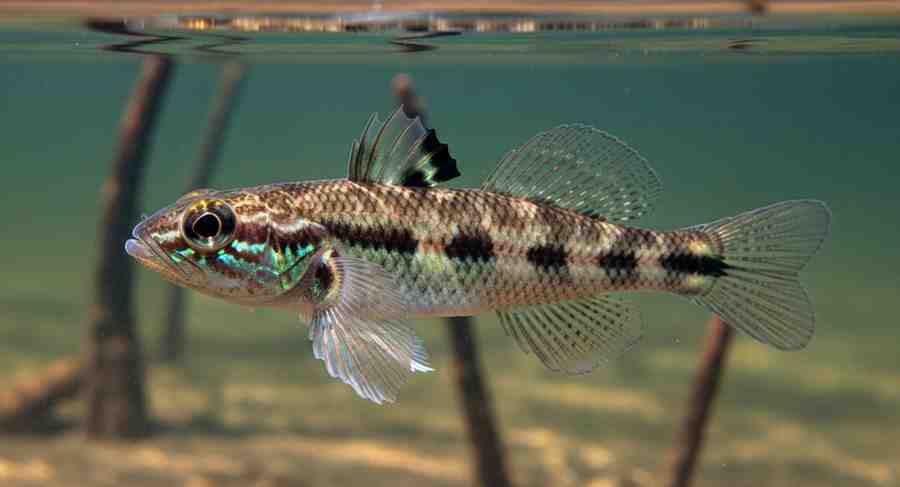
“Butis bargabhimae” belongs to the butid family, commonly known as gudgeon gobies. These fishes are usually found in brackish water environments such as estuaries, mangroves and coastal rivers. One of their key strengths is their ability to survive in water with changing salt levels.
This adaptability makes them important for understanding how species respond to environmental changes. As climate change continues to affect water systems, studying such fishes can provide useful insights into survival strategies in difficult conditions.
Butis Bargabhimae Fish Discovery Reveals Unique Features
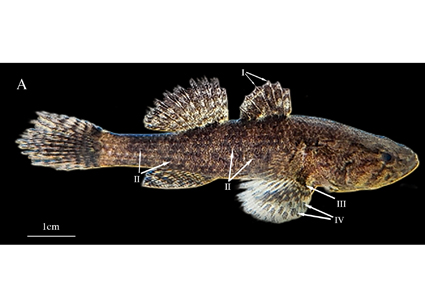
The new species stands out because of several distinct physical features. Unlike many other fishes in its family, Butis bargabhimae has small scales between its eyes, known as interorbital scales. This feature is rare among similar species and helps scientists identify it clearly.
Another special feature is the presence of extra small scales across its body. In addition, the fish shows a pattern of light and dark bands on its pectoral fins. These markings are not commonly seen in related species, making it easier to recognize.
Such differences may seem small, but they are very important in scientific classification. They help researchers understand how species evolve and how they are connected to each other.
Butis Bargabhimae Fish Discovery Highlights Biodiversity Importance
This discovery comes at a time when biodiversity loss is a growing concern around the world. Rivers and coastal ecosystems are under pressure due to pollution, overfishing and construction activities. Finding a new species in such an environment is both exciting and a reminder of what could be lost if these habitats are not protected.
India is known for its rich biodiversity, but many species are still undocumented. Discoveries like this show that even well-known regions can hold new life forms. It also encourages further research and conservation efforts in similar ecosystems.
Butis Bargabhimae Fish Discovery and Cultural Connection
The name “bargabhimae” has a special meaning. It is inspired by Goddess Bargabhima, a respected deity in the Tamluk region. By naming the species after a local cultural figure, scientists have connected modern research with traditional beliefs.
This approach highlights how science and culture can work together. It also brings attention to the local community, which plays a key role in protecting natural resources. When people feel connected to their environment, they are more likely to support conservation efforts.
Butis Bargabhimae Fish Discovery and Future Research
The discovery of this new fish species opens the door for more studies in the region. Scientists may now look deeper into the Rupnarayan estuary to find other unknown species or understand the ecosystem better.
Such research can help create better plans for conservation and sustainable use of resources. It also supports global efforts to document and protect biodiversity at a time when many ecosystems are facing serious threats.