



Navegaon Nagzira Buffer Control Strengthens Wildlife Protection

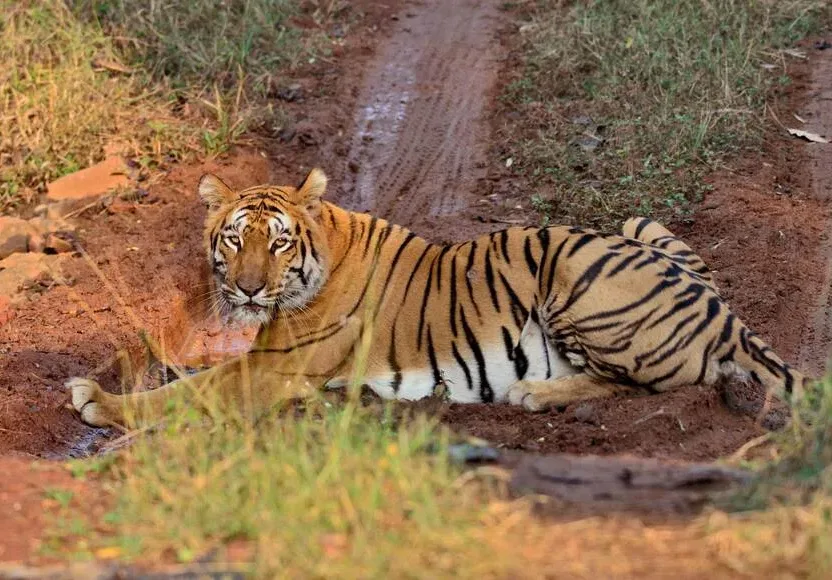
Navegaon Nagzira Buffer Control begins a new phase of conservation as the Navegaon-Nagzira Tiger Reserve in Maharashtra takes charge of its buffer area from April 1. This move aims to improve wildlife safety and better manage human-wildlife interactions in nearby regions.
Location and Landscape Importance
The reserve is located in Gondia district of Maharashtra and is part of the central Indian tiger landscape. This region supports a large share of India’s tiger population. Its location helps connect forests like Kanha, Pench, and Tadoba, allowing animals to move freely and maintain genetic diversity.

Structure and Terrain
The reserve includes several protected zones such as national parks and wildlife sanctuaries. The land is uneven with hills and forests, and the highest point is Zenda Pahad at about 702 meters. This varied terrain creates suitable habitats for many species.
Navegaon Nagzira Buffer Control: Rich Flora and Fauna
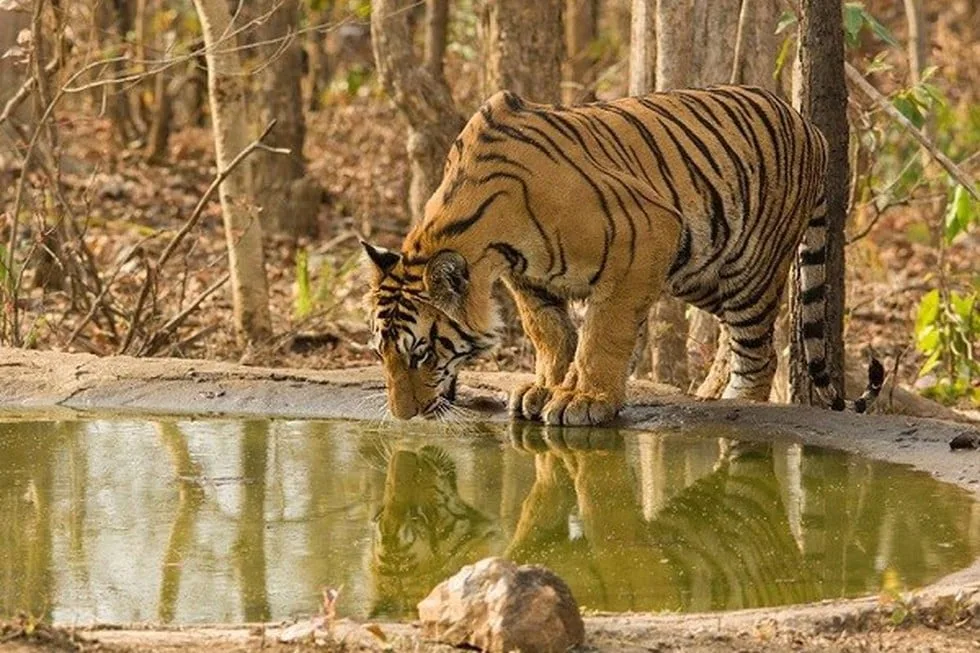
The forest mainly consists of Southern Tropical Dry Deciduous vegetation. Around 364 plant species grow here, including important trees like Terminalia and Pterocarpus. The reserve is home to animals such as tigers, leopards, sloth bears, wild dogs, and gaur. Smaller species like civets, pangolins, and flying squirrels also live in this ecosystem.
Role of Buffer Area Management
Buffer zones act as a protective layer around the core forest. With Navegaon Nagzira Buffer Control, authorities can better plan conservation activities and reduce conflicts between humans and wildlife. These areas also support local communities by promoting sustainable use of resources while protecting nature.