Lake Biwa Ancient Pottery Discovery Unearthed

Lake Biwa Ancient Pottery has become a major highlight in global archaeological news after researchers uncovered one of the world’s oldest and most beautifully preserved ceramic vessels from deep beneath Japan’s largest freshwater lake. The discovery, made at the Tsuzuraozaki underwater ruins, is reshaping our understanding of early Japanese culture and offering a rare glimpse into the craftsmanship of the ancient Jomon people who lived more than 10,000 years ago.
Thank you for reading this post, don't forget to subscribe!Lake Biwa Ancient Pottery: A Timeless Vessel Recovered from the Depths
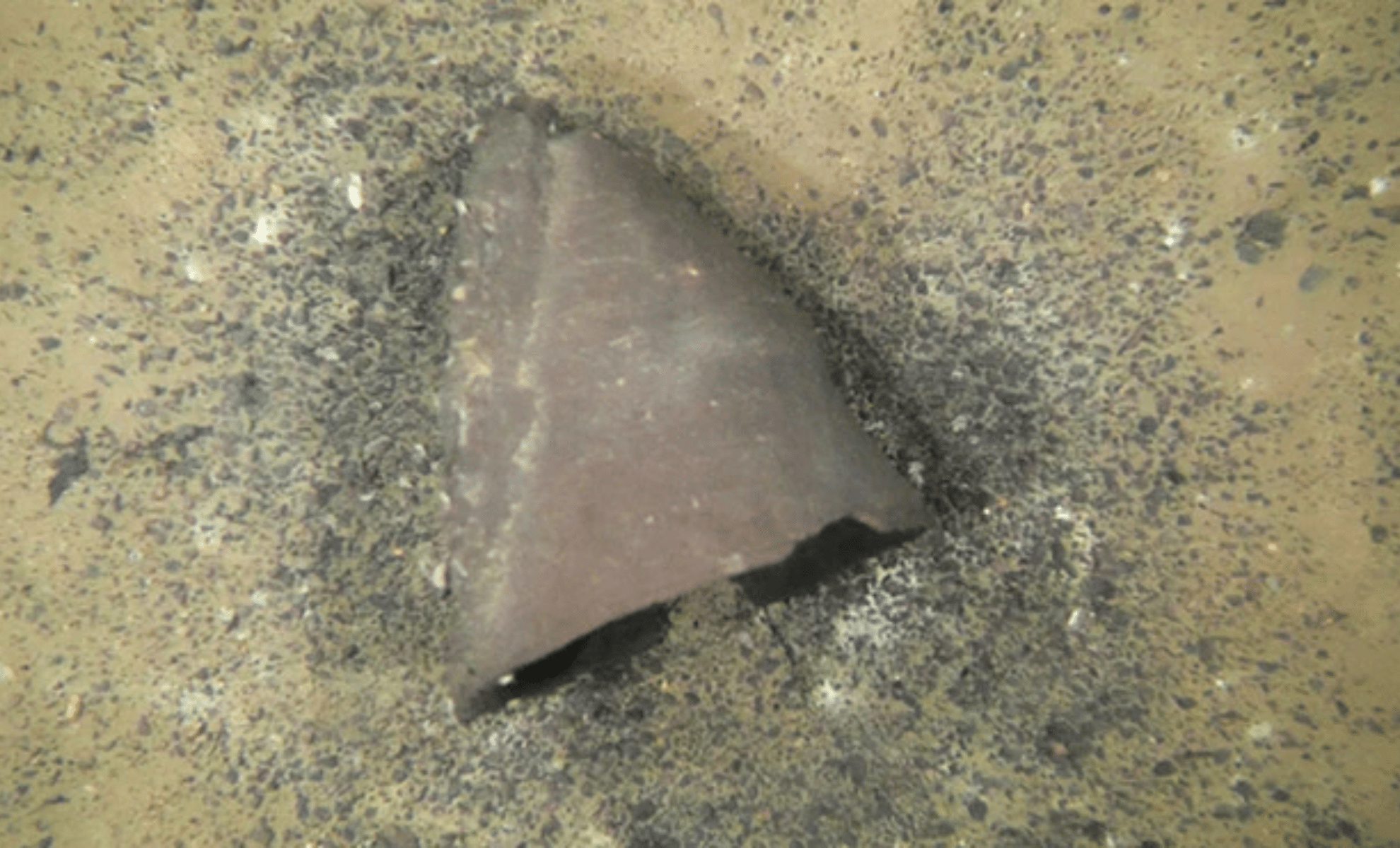
In October, a team of Japanese archaeologists successfully retrieved a remarkably intact pottery vessel from 64 metres below Lake Biwa’s surface. The artefact stands 25 centimetres tall and remains astonishingly well-preserved despite its extraordinary age. Experts believe it dates to the early Jomon period, a time when Japan’s earliest settled communities began developing advanced skills in pottery and daily living.
The lake’s unique underwater environment played a crucial role in maintaining the vessel’s condition. With limited oxygen and stable temperatures, Lake Biwa acted like a natural time capsule, protecting fragile materials for thousands of years. The Tsuzuraozaki site, first noted by researchers in the 1920s, has long been considered a treasure trove of submerged prehistoric activity, but this recent find stands out as one of the most significant discoveries to date.
Lake Biwa Ancient Pottery: A Window into the Jomon World
The newly recovered vessel is part of the ancient Jomon pottery tradition, recognised among the earliest ceramic cultures in human history. Emerging more than 10,000 years ago, this tradition reflects an important shift from nomadic lifestyles to settled communities where people began creating pottery for storage, cooking and ritual use.
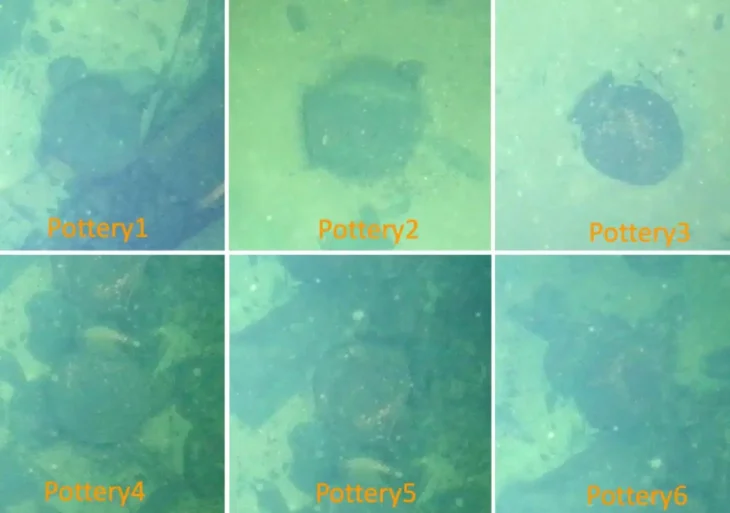
Experts studying the Lake Biwa ancient pottery suggest that the vessel may belong to either the Jinguji-style or Konami Upper-layer tradition. These pottery styles are known for their intricate engravings, symmetrical shapes and delicate textures. These artistic elements reveal not just functional intent but also cultural expression. The early Jomon people used pottery to represent their identity, beliefs and connection to nature, suggesting a society with a rich symbolic life.
The craft techniques visible on the vessel fine lines, smooth curves and deliberate patterns show that even in prehistoric times, people valued aesthetics and creativity alongside everyday utility. For modern researchers, this pottery serves as a direct link to those ancient artistic choices.
Lake Biwa Ancient Pottery: Modern Technology Unlocks an Ancient Secret
The Lake Biwa ancient pottery discovery was made possible thanks to major advances in underwater archaeological technology. Researchers deployed autonomous underwater vehicles (AUVs) equipped with high-resolution imaging systems to map the lakebed. These AUVs, originally built for marine engineering projects, allowed scientists to survey areas far deeper and more dangerous than divers could safely access.
Alongside AUVs, specialists used 3D sonar mapping and artificial intelligence tools to analyse structures and detect buried artefacts with exceptional accuracy. These technologies made it possible to explore previously inaccessible regions beneath Lake Biwa and locate the pottery vessel without disturbing the surrounding environment.
This breakthrough demonstrates how robotics and digital mapping are transforming the field of underwater archaeology. Sites once considered unreachable can now be studied in detail, offering a clearer picture of how ancient communities lived along lakes, rivers and coastlines that later became submerged.
Lake Biwa Ancient Pottery: The Puzzle of Tsuzuraozaki’s Submerged Past
The Tsuzuraozaki underwater site has intrigued archaeologists for nearly a century. Since 1924, more than 200 pottery fragments and artefacts have been retrieved from the area, yet researchers still do not fully understand the original purpose of the site.
Some experts believe that the location was once a thriving lakeside settlement, later submerged due to natural geological shifts or rising water levels. This theory suggests that early Jomon communities lived close to the lake, using its waters for fishing, transport and daily chores.
Another interpretation proposes that the area may have held ceremonial importance. The intact vessel recovered from the lakebed was found standing upright, a detail that has caught the attention of scholars. Such positioning raises the possibility that the pottery was placed intentionally as part of a ritual or symbolic activity, rather than being abandoned accidentally or swept away by water movement.
Ongoing research and future underwater surveys may help solve this mystery. Each new discovery adds pieces to the puzzle, helping researchers build a clearer picture of life during Japan’s earliest known era of settled communities.
Lake Biwa Ancient Pottery: A Discovery That Rewrites Understanding of Ancient Japan
The Lake Biwa ancient pottery find is reshaping knowledge about prehistoric Japan. Pottery of this age, quality and preservation is extremely rare. Most ceramic artefacts from this early period are found on land, broken into fragments and affected by natural wear. Discovering a fully intact vessel underwater provides an entirely new opportunity for researchers to study early craftsmanship without centuries of damage.
This find not only highlights the artistic abilities of the early Jomon people but also opens up possibilities for understanding their social habits, rituals and daily lives. Each curve and pattern on the vessel tells a story of a community experimenting with materials, techniques and innovation long before written history began.
The Lake Biwa ancient pottery discovery serves as a reminder of how much remains hidden beneath lakes, seas and riverbeds. As technology continues to advance, more submerged heritage sites around the world may reveal secrets that deepen our understanding of human history.