Manipur Ice Age Bamboo Study Reveals Ancient Climate Secrets

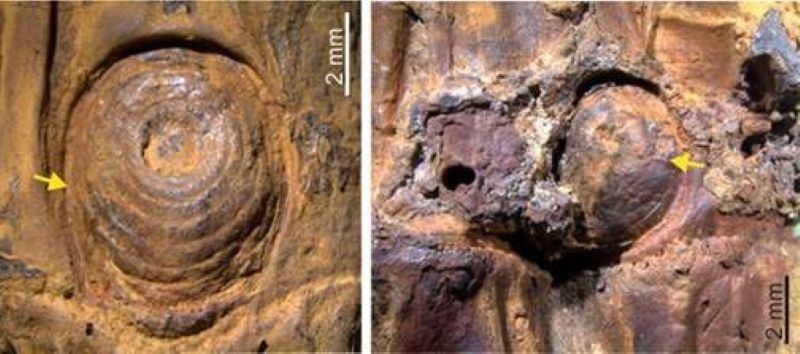
Manipur Ice Age Bamboo Study has gained global scientific attention after researchers uncovered a rare 37,000-year-old bamboo fossil in the Imphal Valley. This discovery is being described as one of the most important botanical findings from South Asia, offering fresh insight into plant evolution, ancient climate patterns and the survival strategies of vegetation during the Late Pleistocene period. The fossil, found in the silt-rich layers of the Chirang River, preserves thorn scars and structural details that are almost never seen in bamboo fossils. Because bamboo decays easily, it is extremely uncommon to find such well-preserved remains. This makes the Manipur discovery a breakthrough for palaeoscientists studying Asia’s environmental history.
Thank you for reading this post, don't forget to subscribe!Breakthrough Discovery in Northeast India – Manipur Ice Age Bamboo Study
The bamboo fossil was discovered by a team from the Birbal Sahni Institute of Palaeosciences during an excavation project in Imphal Valley. While studying sediment beds formed thousands of years ago, researchers came across a fossilised bamboo stem that displayed unusually clear thorn scars. After comparing the structural features such as nodes, buds and spine marks the team identified the fossil as a member of the Chimonobambusa genus, a type of bamboo known today for its thorny stem structure.
Laboratory tests, including radiometric analysis, confirmed that the fossil dates back to around 37,000 years ago, placing it firmly within the Late Pleistocene era. This makes it one of the earliest thorny bamboo fossils ever discovered in Asia. The discovery not only expands our knowledge of ancient vegetation but also creates new possibilities for understanding plant lineages that survived major climatic changes.
Rare and Exceptional Preservation – Manipur Ice Age Bamboo Study

Bamboo is one of the least likely plants to fossilise. Its structure is fibrous, hollow and quick-decaying, which means it usually rots long before fossilisation can occur. That is why the Manipur fossil has stunned scientists. The fossil preserves not just the outer stem but also clearly identifiable thorn scars an extremely rare feature in fossil records.
These preserved thorn scars provide strong evidence that defensive traits like spines developed very early in bamboo evolution. During the Ice Age, large herbivores roamed the region, and thorny structures would have helped protect the plants from being eaten. When scientists compared the fossil with modern thorny bamboo species, they found remarkable similarities. This shows that certain survival strategies remained unchanged for tens of thousands of years, proving how effective these natural defenses were.
This discovery gives science a rare opportunity to trace how bamboo species survived environmental pressures and evolved functional traits long before modern ecosystems took shape.
A Window into the Ice Age Climate – Manipur Ice Age Bamboo Study
The fossil also provides valuable clues about the climate of the region during the Late Pleistocene. While many parts of Eurasia experienced severe cooling and dryness during the Ice Age, northeast India appears to have retained humid and stable microclimates. This allowed certain plants, including bamboo, to survive conditions that wiped out similar species elsewhere.
Scientists believe this region served as a climatic refugium, meaning a safe natural shelter where plants and animals could survive harsh global conditions. The presence of thorny bamboo during such a cold period strengthens previous theories that the Indo-Burma biodiversity zone played a key role in protecting life during extreme climate phases.
The discovery also opens new opportunities for palaeoclimate studies, helping researchers trace rainfall patterns, vegetation distribution and ecological stability in prehistoric India. Understanding these past conditions is important for predicting how today’s biodiversity might respond to future climate challenges.
Why the Discovery Matters Today – Manipur Ice Age Bamboo Study
Beyond its scientific value, the bamboo fossil carries powerful messages for modern conservation. The fossil proves that thorn-bearing bamboo species had already evolved before major climatic fluctuations occurred. Their ability to survive such instability shows that the region’s ecosystems have historically supported strong biodiversity.
This discovery highlights how northeast India has long been a sanctuary for life, protecting vegetation during some of the harshest environmental shifts in Earth’s history. Today, the region continues to host rich forests and rare species, but many of these habitats face pressure from human activity, deforestation and climate change.
The fossil serves as a reminder of the region’s ecological importance. If these ancient landscapes once sheltered life during the Ice Age, they must be carefully preserved today to ensure the survival of species facing modern environmental threats. Conservationists believe that discoveries like this will help strengthen arguments for protecting biodiversity hotspots that have supported ecological resilience for thousands of years.
Expanding Knowledge of Plant Evolution – Manipur Ice Age Bamboo Study
The bamboo fossil contributes greatly to our understanding of plant history. Its anatomical details shed light on how bamboo species diversified and adapted to challenging climates. By finding early evidence of thorn traits, scientists can now trace the roots of plant defense mechanisms more accurately.
This find also shows that the Indo-Burma region played a central role in maintaining plant diversity throughout prehistoric times. Many plants that disappeared in colder regions continued to survive here, making this geographical zone a living archive of ancient species. The fossil brings researchers one step closer to mapping how plants migrated, adapted and recovered after global climate events.
It also provides a reference point for studying how modern bamboo species might react to climate change. If bamboo could survive the Ice Age in this region, it may possess natural resilience that could help researchers plan ecological restoration or species protection strategies.
Manipur Ice Age Bamboo Study
The Manipur Ice Age Bamboo Study is a groundbreaking achievement for Indian palaeoscience. The 37,000-year-old fossil from the Imphal Valley has revealed extraordinary details about plant evolution, natural defense strategies and ancient climate conditions. Its discovery highlights northeast India’s long history as a refuge for biodiversity and offers valuable lessons for modern conservation efforts. As researchers continue to study the fossil, it will deepen global understanding of how plants survived extreme environmental changes and how they may continue to adapt in the future.