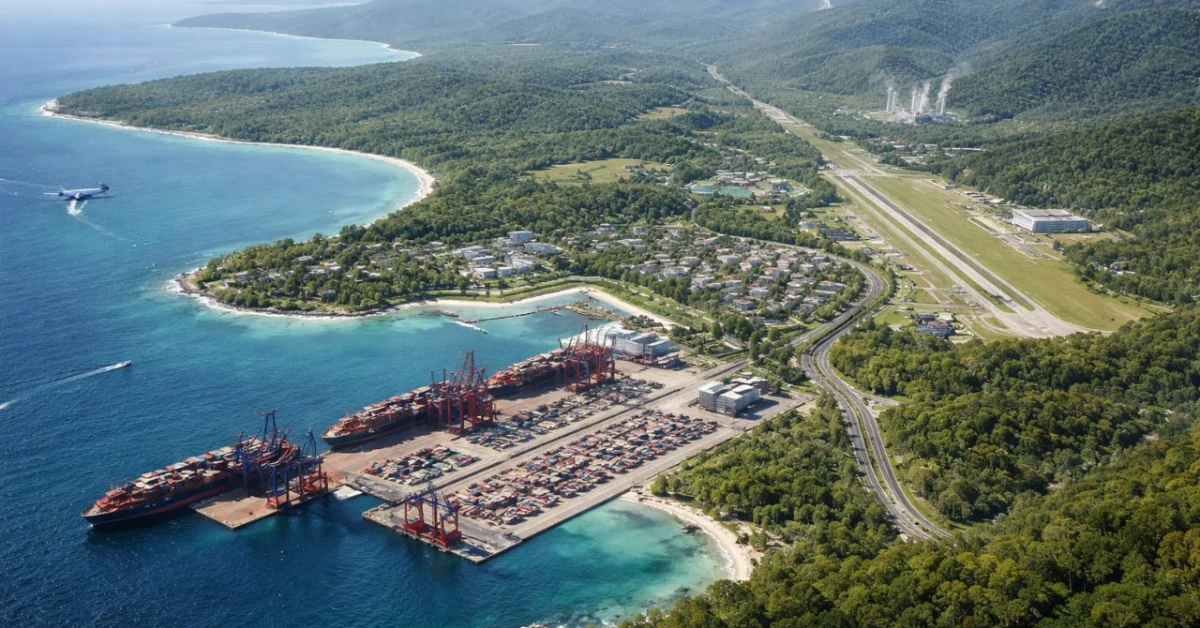
Great Nicobar Project Clearance: NGT Clears Way for Strategic Island Development

The Great Nicobar Project Clearance has received a major legal boost after the National Green Tribunal dismissed fresh petitions challenging the environmental and coastal approvals granted to the ambitious infrastructure project on Great Nicobar Island. With this decision, the project can move forward, provided all environmental safeguards and conditions are strictly followed. The ruling has once again brought national attention to the balance between strategic development and environmental protection in one of India’s most sensitive island ecosystems.
Thank you for reading this post, don't forget to subscribe!Background of the Project and Legal Challenge
The Great Nicobar infrastructure project is one of India’s largest island development plans. It includes an International Container Transshipment Terminal, a new township, and a 450 MVA power plant based on gas and solar energy. The project received environmental clearance in November 2022, but it soon faced legal challenges from environmental groups and concerned citizens.
This was not the first time the project came under judicial scrutiny. Earlier, in April 2023, the tribunal had largely upheld the clearances but set up a High Powered Committee to look into specific environmental concerns. These included the protection of coral reefs, the use of environmental data from only one season, and possible construction activities in ecologically sensitive coastal zones.
In the latest ruling, delivered on February 16, 2026, the tribunal made it clear that there were no new grounds to interfere with the approvals already granted. As a result, the Great Nicobar Project Clearance now stands reaffirmed, subject to continuous monitoring and compliance.
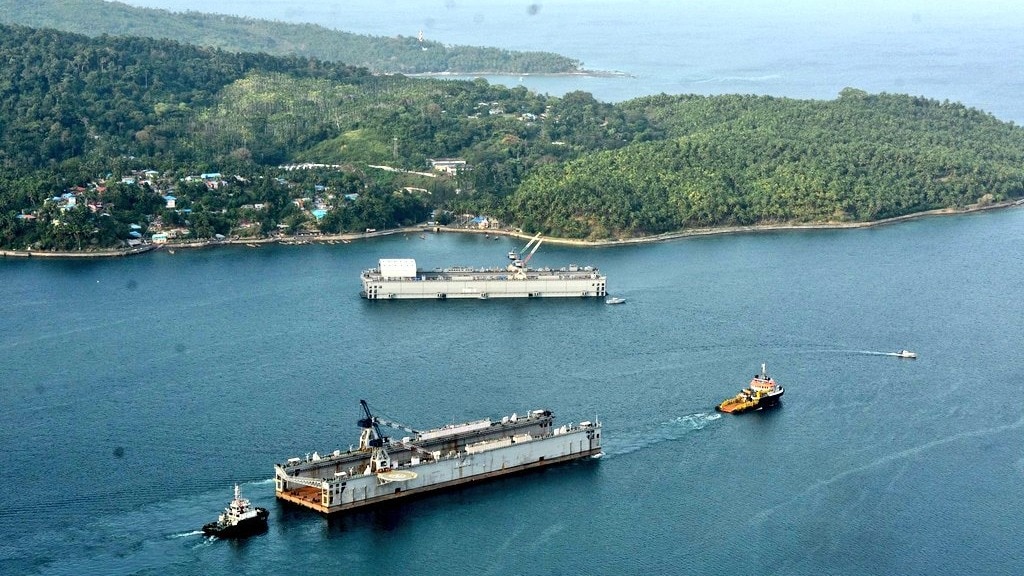
Tribunal View on Environmental Clearance
A six member bench led by Justice Prakash Shrivastava carefully examined the arguments placed before it. The tribunal observed that the project authorities had followed the due process laid down under environmental laws. It also noted that conditions imposed during the grant of clearance were detailed and aimed at minimizing ecological harm.
The tribunal emphasized that environmental protection does not mean stopping all development. Instead, it highlighted the need for regulated development that respects nature while also addressing national priorities. According to the order, if any condition of the clearance is violated in the future, it would remain open to legal challenge.
Strategic Importance of Great Nicobar
One of the strongest points in favor of the Great Nicobar Project Clearance was the island’s strategic location. The tribunal underlined the importance of Great Nicobar Island due to its proximity to the Malacca Strait, one of the busiest maritime trade routes in the world.
The bench observed that the project plays a key role in strengthening India’s presence in the Indian Ocean region. It referred to the country’s broader geopolitical goals and the need to safeguard national interests, especially in light of increasing foreign activity in nearby waters. The project was also linked to India’s Act East policy, which focuses on deeper engagement with Southeast Asia.
Coral Reefs and Coastal Regulation
Environmental concerns, especially those related to coral reefs, were central to the petitions against the project. The tribunal relied on reports submitted by the Zoological Survey of India and the High Powered Committee.
These reports stated that no major coral reef lies directly within the main project area at Galathea Bay. However, they did identify thousands of coral colonies in nearby waters. To address this, the clearance conditions include a detailed plan for coral translocation. Around 16,000 coral colonies found in shallow waters are to be carefully relocated, while deeper colonies will be studied further before any decision is taken.
The tribunal also examined compliance with the Island Coastal Regulation Zone rules. It acknowledged that ICRZ IA areas are highly sensitive and usually restrict construction. At the same time, it accepted the finding that, at this stage, the project does not violate these rules, provided all safeguards are followed as approved.
Development and Environment Side by Side
The ruling reflects a clear attempt to strike a balance. On one hand, the tribunal recognized the fragile ecology of Great Nicobar Island, which is home to rich marine biodiversity and unique forest ecosystems. On the other hand, it accepted that carefully planned infrastructure can support national security, trade, and regional connectivity.
The tribunal stressed that approvals do not give a free hand to the project authorities. Continuous monitoring, periodic reporting, and adherence to mitigation measures are mandatory. Any lapse could invite penalties or fresh legal action.

What Lies Ahead
With the Great Nicobar Project Clearance reaffirmed, attention now shifts to implementation. Environmental experts, local communities, and government agencies will closely watch how the project progresses on the ground. The tribunal’s order sends a strong message that while strategic projects are important, environmental accountability cannot be diluted.
The decision is likely to shape future debates on large scale development in ecologically sensitive areas. It highlights the role of judicial oversight in ensuring that growth and conservation move together, rather than in conflict.