US Space Nuclear Reactors 2030: America’s Plan for Moon and Orbit Power

The US Space Nuclear Reactors 2030 plan highlights the United States’ bold move to deploy nuclear reactors in space orbit by 2028 and on the Moon by 2030. This step follows the success of the Artemis-2 mission and shows the country’s strong aim to lead in space exploration, business, and defence. The plan is part of a new policy called National Initiative for American Space Nuclear Power, released on April 14, 2026.
Thank you for reading this post, don't forget to subscribe!US Space Nuclear Reactors 2030 Plan
The new policy says the US wants to become a global leader in space nuclear power systems. These systems will support long missions in Earth orbit, on the Moon, and later for human travel to Mars. The plan also promotes teamwork between government bodies like NASA and private companies to speed up development and lower costs.
NASA Lunar Reactor Programme
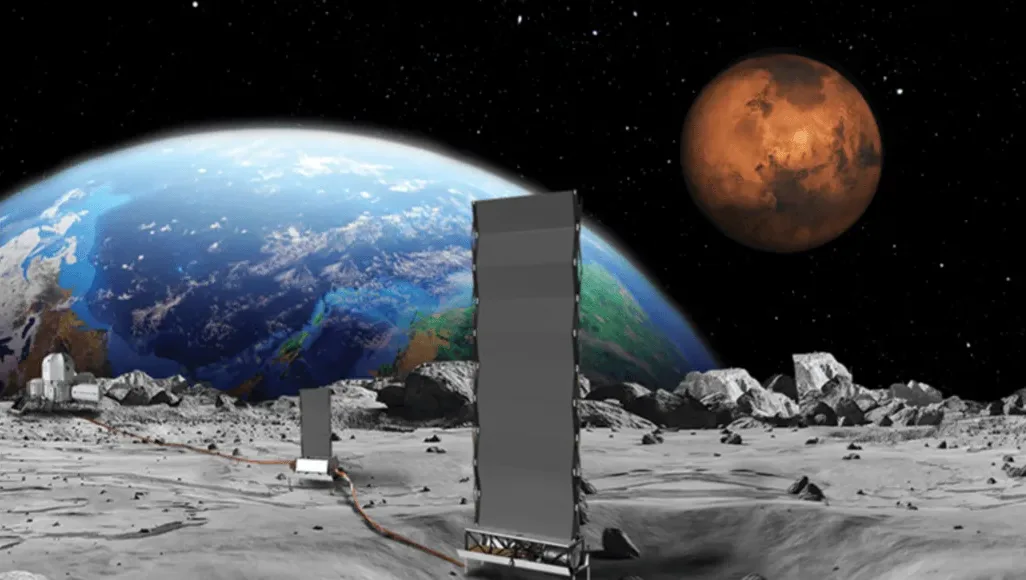
NASA has been asked to start a programme within 30 days to build a mid-power space reactor. This includes a lunar fission surface power system that should be ready by 2030. NASA will work with private vendors to create these systems. These reactors will give steady power to lunar bases, especially in areas where solar energy is not enough.
Power Capacity and Mars Goals
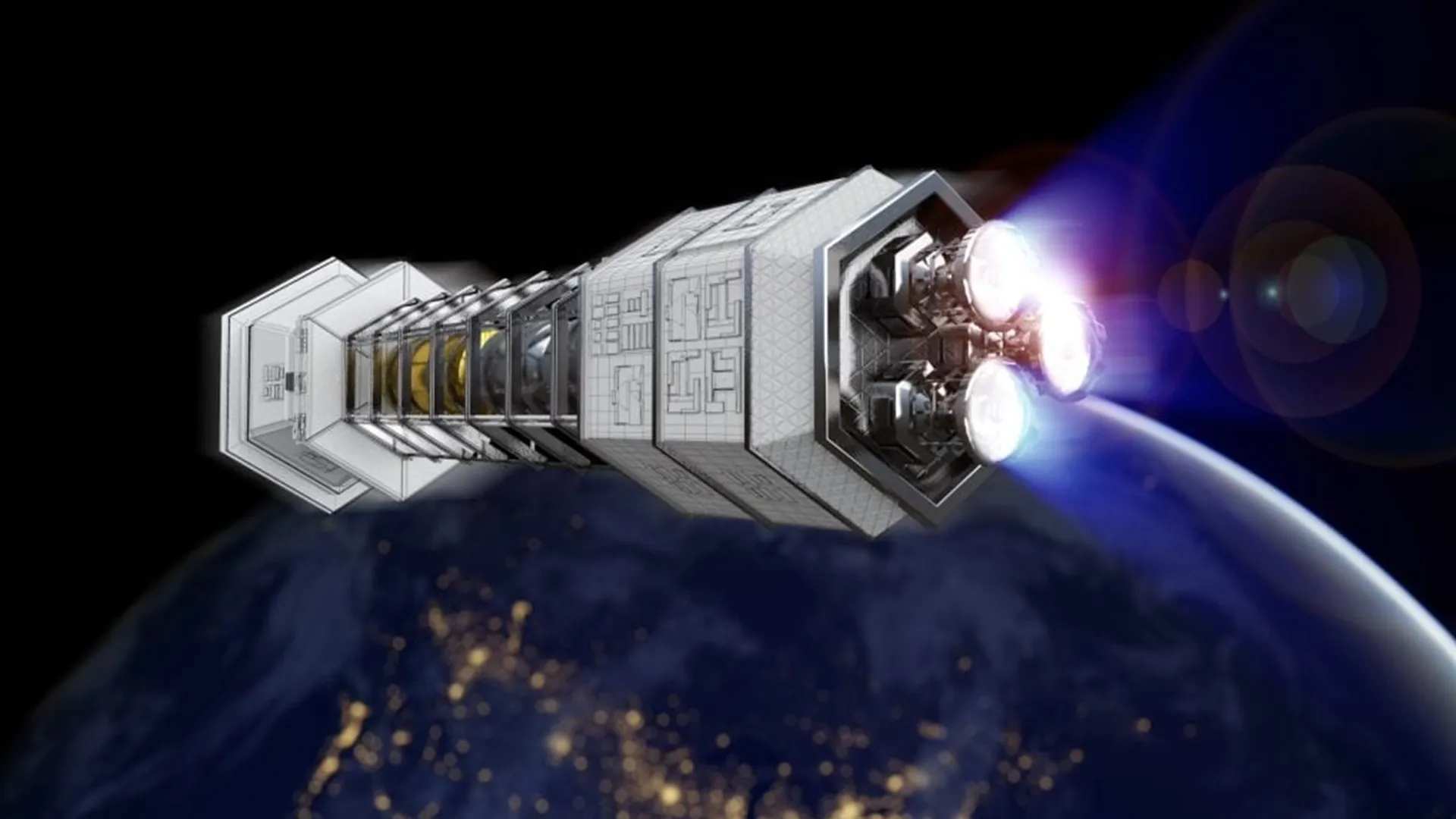
The new reactors are planned to produce about 20 kilowatts of electricity. They can work for at least three years in orbit and five years on the Moon. This power is important for future human settlements on the Moon. The plan also highlights nuclear electric propulsion and fission surface power as key technologies. These may later support nuclear thermal propulsion for human missions to Mars in the 2030s.
Space Race and Global Competition
This initiative is also linked to rising space competition, especially between the United States and China. The policy suggests parallel design competitions between NASA and the Department of Defence to build reactors quickly. It also prepares for high-power reactors in the future. Strong coordination between agencies will help reduce risks and speed up the use of advanced nuclear systems in space.