Dinosaur Footprints in Italy Reveal Life From 210 Million Years Ago

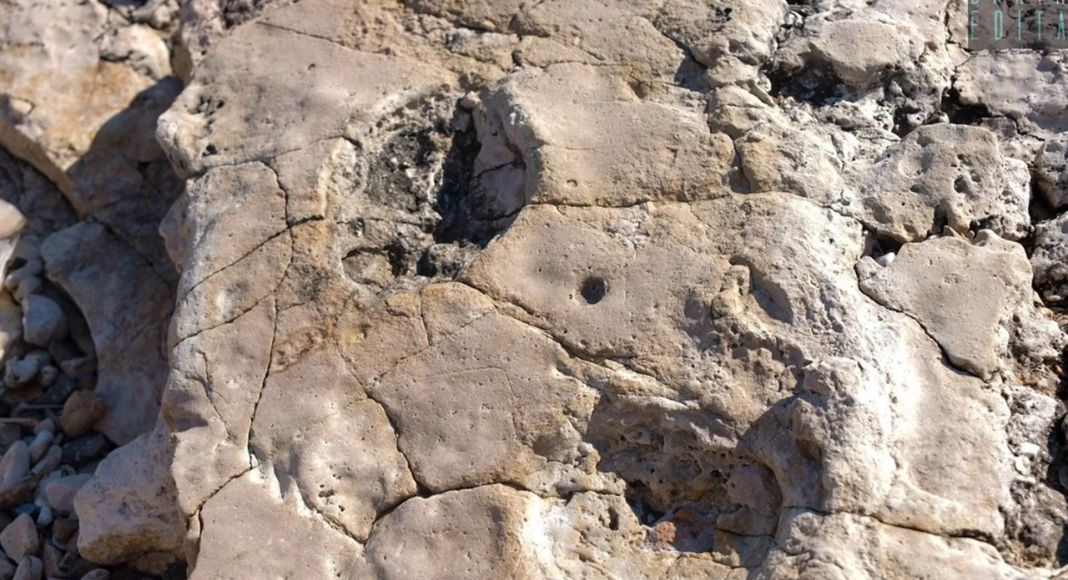
Dinosaur Footprints in Italy have amazed scientists after thousands of ancient tracks were uncovered in a quiet mountain area of northern Italy. These footprints are believed to be around 210 million years old, taking us back to a time when dinosaurs were just beginning to spread across the Earth. The discovery is being called one of the most important dinosaur track finds in Europe in recent years and is helping researchers better understand how these early animals lived and moved together.
Thank you for reading this post, don't forget to subscribe!A Surprise Find in the Italian Alps
The footprints were found in the Fraele Valley, a remote and rocky area near the town of Bormio in Lombardy. This region is known today for its cold climate and alpine scenery, but millions of years ago it looked very different. The tracks were spotted by wildlife photographer Elio Della Ferrera while he was exploring the area in September. He noticed strange shapes in the rock surface and shared images with experts, who later confirmed they were dinosaur footprints.
Reaching the site is not easy. The area has steep slopes, loose rocks, and no regular paths, which is why the footprints remained hidden for so long. Their isolation also helped protect them from damage, allowing the marks to stay clear and well-preserved over millions of years.
Traces of Dinosaurs Moving Together
What makes the Dinosaur Footprints in Italy especially exciting is their large number and pattern. Scientists believe the tracks were left by early dinosaurs known as prosauropods. These were plant-eating dinosaurs with long necks and tails, and they are considered ancestors of the giant sauropods that appeared later.
Many footprints are grouped closely together, and some form circular or clustered shapes. This suggests the dinosaurs were not walking alone but moving in groups. Researchers think this may show early herd behaviour, where animals stayed together for safety. Some patterns even hint that adults may have surrounded younger dinosaurs to protect them from danger. Such clear signs of social behaviour are rare and valuable for understanding dinosaur life.
Dinosaur Footprints in Italy: Why These Footprints Matter
Bones and skeletons tell scientists what dinosaurs looked like, but footprints reveal how they behaved. By studying track size, spacing, and direction, experts can estimate how fast dinosaurs walked, how heavy they were, and how they interacted with each other. The Fraele Valley site contains thousands of footprints of different sizes, suggesting dinosaurs of various ages shared the same space.
The discovery also changes how scientists view this region’s past. Today, the area is cold and mountainous, but during the time these footprints were made, the climate was warmer and supported rich plant life. This shows how dramatically Earth’s environment has changed over time.
Protecting the Site and Studying It Safely
Because the terrain is dangerous, researchers are planning to study the Dinosaur Footprints in Italy using modern tools. Drones and remote scanning technology will help create detailed maps of the footprints without putting people at risk. These methods also ensure the site remains undisturbed for future study.
Italy’s Ministry of Culture has highlighted the importance of the discovery, especially as nearby areas prepare for events linked to the 2026 Milan–Cortina Winter Olympics. The find serves as a reminder that beneath famous tourist regions lie stories far older than human history.
A Window Into a Distant World
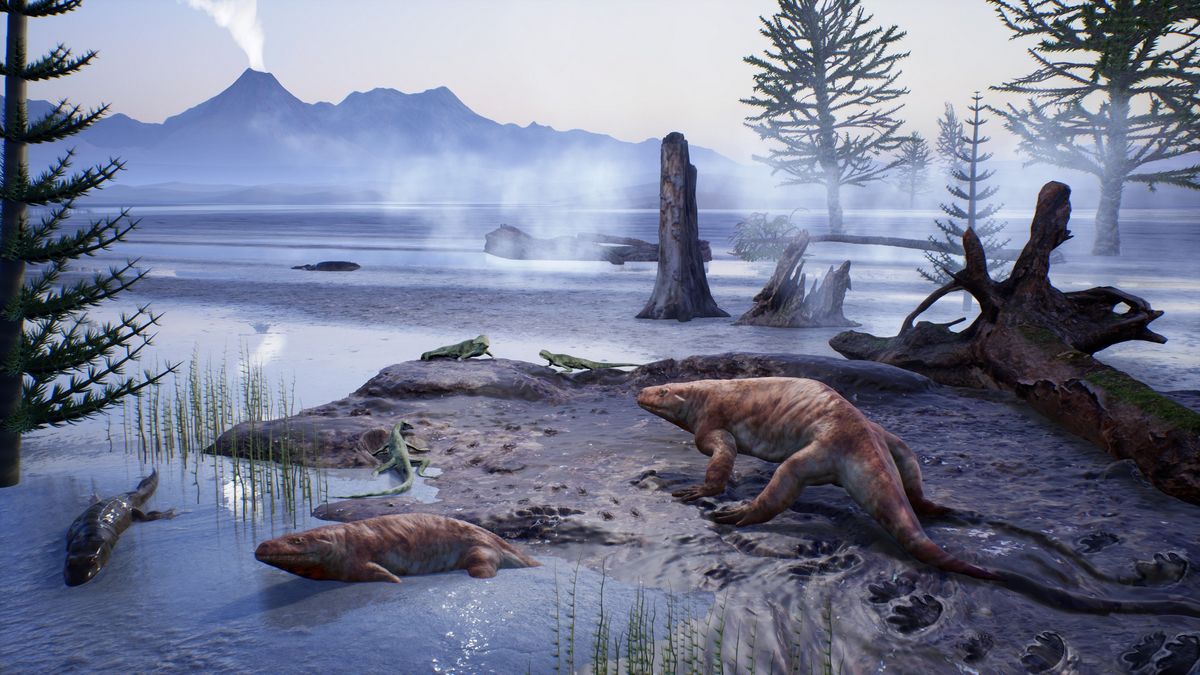
The Dinosaur Footprints in Italy offer a rare and powerful glimpse into a world that existed long before humans. They show dinosaurs not just as skeletons in museums, but as living creatures that walked together, protected their young, and left lasting marks on the land. As research continues, this quiet alpine valley may reveal even more secrets from a time when dinosaurs ruled the Earth.