India-Oman CEPA Opens a New Chapter in Trade and Services

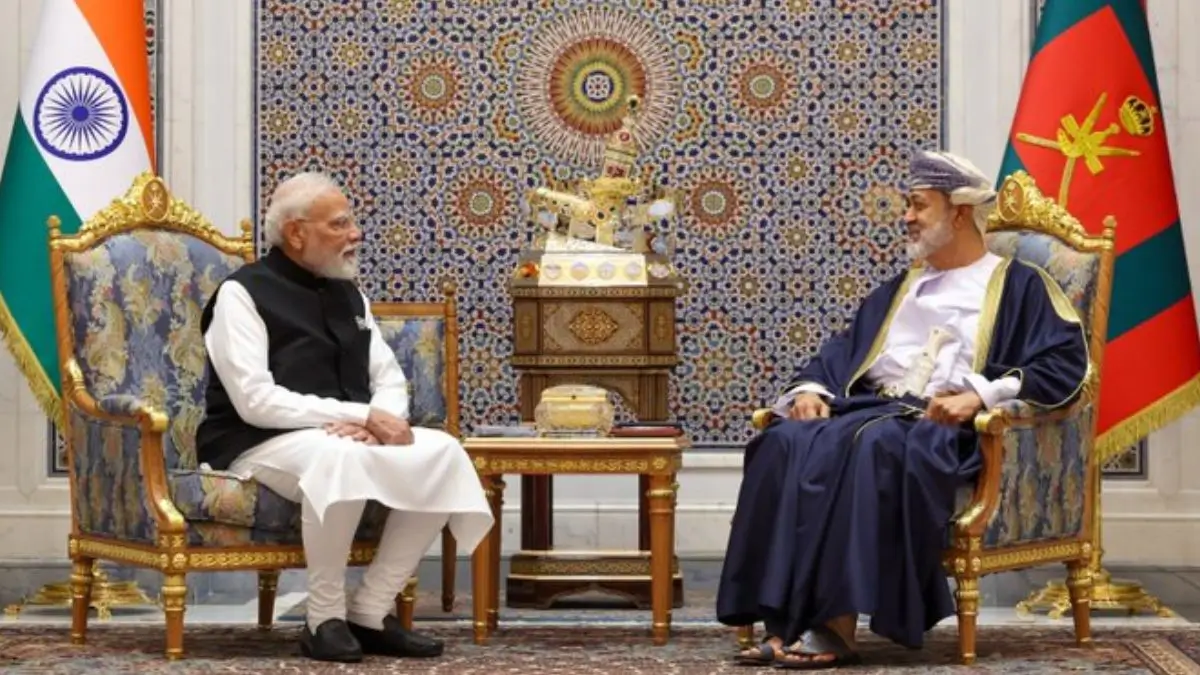
India-Oman CEPA marks a major step forward in the economic relationship between the two countries. India and Oman have signed a Comprehensive Economic Partnership Agreement that aims to make trade easier, open new markets, and create better opportunities for businesses and professionals. The agreement was signed in Muscat in the presence of Prime Minister Narendra Modi and leaders from Oman, highlighting its importance for both sides.
Thank you for reading this post, don't forget to subscribe!This trade deal places Oman as a strong economic partner for India in the Gulf region. It also reflects India’s growing focus on building deeper ties with West Asian countries through balanced and long-term trade agreements.
Big Relief for Indian Goods Entering Oman
One of the most important parts of the India-Oman CEPA is the large reduction in import duties on Indian products. Oman has agreed to provide zero-duty access on more than 98 percent of its tariff lines. This means that almost all Indian goods sent to Oman will no longer face import taxes.
By value, this covers more than 99 percent of India’s exports to Oman. For many products, the duty removal will happen immediately. Earlier, Indian exporters were paying import duties of around five percent on many items. With these duties removed, Indian goods will become more affordable and competitive in the Omani market.
Sectors that are expected to benefit the most include textiles, gems and jewellery, leather products, footwear, engineering goods, medicines, medical equipment, and automobiles. These industries employ large numbers of people in India, so the agreement is likely to support jobs and small businesses as well.
India Offers Market Access to Omani Products
India has also opened its market under the India-Oman CEPA, though with a balanced approach. India will reduce or remove tariffs on about 77 percent of its tariff lines. This covers nearly 95 percent of imports coming from Oman in terms of value.
Products that Oman is keen to export, such as dates, marble, and petrochemical goods, will get easier access to the Indian market. Many of these concessions will be managed through fixed quantity limits to ensure fair trade.
At the same time, India has protected certain sensitive sectors. Items like dairy products, tea, coffee, rubber, tobacco, gold and silver bullion, jewellery, footwear, sports goods, and some metal scraps are kept outside the tariff cuts. This helps safeguard local industries while still promoting trade growth.
Services and Investment Get a Strong Push
Beyond goods, the India-Oman CEPA gives major attention to services and investment. Oman has opened several key service sectors to Indian companies. These include computer services, professional and business services, education, healthcare, research, and audio-visual fields.
Indian firms will be allowed to invest fully in many of these service areas through a physical presence in Oman. This creates new space for Indian companies to expand operations, set up offices, and serve the regional market from Oman.
Better Mobility for Indian Professionals
Another highlight of the India-Oman CEPA is improved movement for skilled professionals. The agreement makes it easier for Indian professionals to work in Oman for longer periods.
The quota for employees transferred within companies has been increased significantly. In addition, service professionals can now stay in Oman for up to two years instead of just a few months, with options for extension. This move is expected to benefit engineers, IT experts, consultants, and other skilled workers.
Trade Growth and Regional Importance
Trade between India and Oman has already been growing steadily and reached around $10.5 billion in 2024–25. Oman is now one of India’s top export destinations in the Gulf region. The India-Oman CEPA is India’s second major trade agreement with a Gulf country, after a similar deal with the UAE.
For Oman, this is its first major bilateral trade agreement in many years. For India, it supports the goal of expanding trade partnerships, reducing risks from global tariff changes, and strengthening long-term ties with the Gulf.
Overall, the India-Oman CEPA is expected to boost trade, encourage investment, create jobs, and deepen economic cooperation between the two nations in the years ahead.