India, EFTA Sign TEPA: India Literacy Milestone 2025 in Global Economic Diplomacy

India, EFTA Sign TEPA marks a historic step in India’s evolving trade diplomacy and economic modernization strategy. The Trade and Economic Partnership Agreement (TEPA) signed in 2025 between India and the European Free Trade Association (EFTA) which includes Switzerland, Norway, Iceland, and Liechtenstein is being hailed as a transformative accord that will shape India’s trade future. This comprehensive trade agreement stands out as India’s first major trade pact with a group of developed European economies, reinforcing the nation’s global economic ambitions.
Thank you for reading this post, don't forget to subscribe!As the India Literacy Milestone 2025 initiative continues to strengthen human capital through education and skill development, TEPA complements this vision by creating new economic pathways that will demand skilled labor, knowledge exchange, and global collaboration.
A New Era of Economic Cooperation
TEPA represents a powerful symbol of India’s entry into a new era of international trade relations. The agreement focuses on mutual growth, investment opportunities, and sustainable development. It promises investments worth $100 billion over 15 years in India and the creation of up to one million direct jobs. These investments will primarily target sectors like manufacturing, renewable energy, pharmaceuticals, IT, and precision engineering.
This partnership not only provides a substantial boost to India’s economy but also strengthens ties with European nations that have advanced technology and financial resources. By integrating with the EFTA markets, India will gain access to modern industrial processes, green finance, and cutting-edge research, fostering a culture of innovation and competitiveness.
Expanding Market Access and Trade Liberalization
A key highlight of the India, EFTA Sign TEPA agreement is the extensive market access it grants to both sides. The pact covers tariff elimination or reduction on 92.2% of tariff lines, accounting for 99.6% of India’s export value to EFTA nations. Non-agricultural products, including organic chemicals, textiles, gems, jewellery, and industrial goods, will receive duty-free treatment.
This unprecedented level of trade liberalization is expected to give Indian exporters a significant edge in European markets. With reduced barriers, Indian goods will become more competitive, while EFTA consumers will enjoy high-quality Indian products at affordable prices. This dynamic will promote bilateral trade and contribute to the diversification of India’s export portfolio.
Strengthening the Services Sector
India’s service sector one of the strongest pillars of its economy receives a major boost under TEPA. The agreement includes commitments in 128 sub-sectors from Switzerland, 114 from Norway, 110 from Iceland, and 107 from Liechtenstein. These encompass IT services, financial consulting, business management, and skilled workforce exchanges.

This arrangement not only benefits Indian professionals seeking opportunities abroad but also enhances India’s reputation as a global services hub. As businesses from both regions collaborate more closely, consumers will benefit from competitive pricing, improved efficiency, and innovative service delivery models.
TEPA’s service-sector provisions perfectly align with India Literacy Milestone 2025, which emphasizes the importance of education, training, and digital literacy in preparing citizens for global careers.
Strategic and Technological Collaboration
Beyond trade, the India, EFTA Sign TEPA agreement opens a broad avenue for strategic and technological partnerships. It promotes cooperation in precision engineering, pharmaceuticals, renewable energy, and frontier technologies such as artificial intelligence, biotechnology, and sustainable materials.
EFTA nations possess technological expertise and innovation-driven industries that complement India’s needs. India’s skilled workforce and entrepreneurial ecosystem can leverage this expertise to adapt and innovate for both domestic and global markets. This synergy has the potential to accelerate India’s industrial modernization and advance its technological sovereignty.
Advancing Renewable Energy and Climate Goals
As India moves toward its target of installing 500 GW of renewable energy capacity by 2030 and achieving Net Zero emissions by 2070, TEPA plays a pivotal role in enabling access to European green finance and clean technology.
By mid-2025, India’s renewable energy capacity had already reached 243 GW, encompassing solar, wind, and hydroelectric power. TEPA is expected to bring more investments and collaborations in green hydrogen, energy storage, and smart grid technologies. This will not only reduce India’s carbon footprint but also foster sustainable industries that generate employment and technological advancement.
The agreement is thus a major support to India’s climate commitments and aligns with global sustainability goals. In this context, India Literacy Milestone 2025 also gains new relevance, as environmental literacy and green skill training become critical components of education policy.
Thorium and Nuclear Energy Cooperation
One of the most innovative areas of cooperation under TEPA is in nuclear and thorium energy research. India possesses nearly 25% of the world’s thorium reserves, which could become the cornerstone of its future clean energy strategy. Thorium offers a safe, abundant, and low-waste nuclear fuel option, making it ideal for sustainable power generation.
Through TEPA, India can access European expertise and funds for thorium-based research and development projects. Norway’s experience in thorium fuel testing could significantly accelerate India’s nuclear energy program, potentially leading to a new era of energy independence and export opportunities in nuclear technology.
Economic Diplomacy and Strategic Impact
The India, EFTA Sign TEPA agreement is a masterstroke in India’s economic diplomacy. It exemplifies how India is leveraging trade as a tool for growth, development, and international influence. This pact underscores India’s dual strategy balancing immediate economic benefits with long-term gains in technology, sustainability, and human development.
The agreement also enhances supply chain resilience, a crucial factor in the post-pandemic global economy. It encourages responsible investments, sustainable growth, and inclusive job creation. TEPA’s success could serve as a blueprint for future trade agreements that combine economic progress with environmental and social responsibility.
India, EFTA Sign TEPA: India’s Global Vision
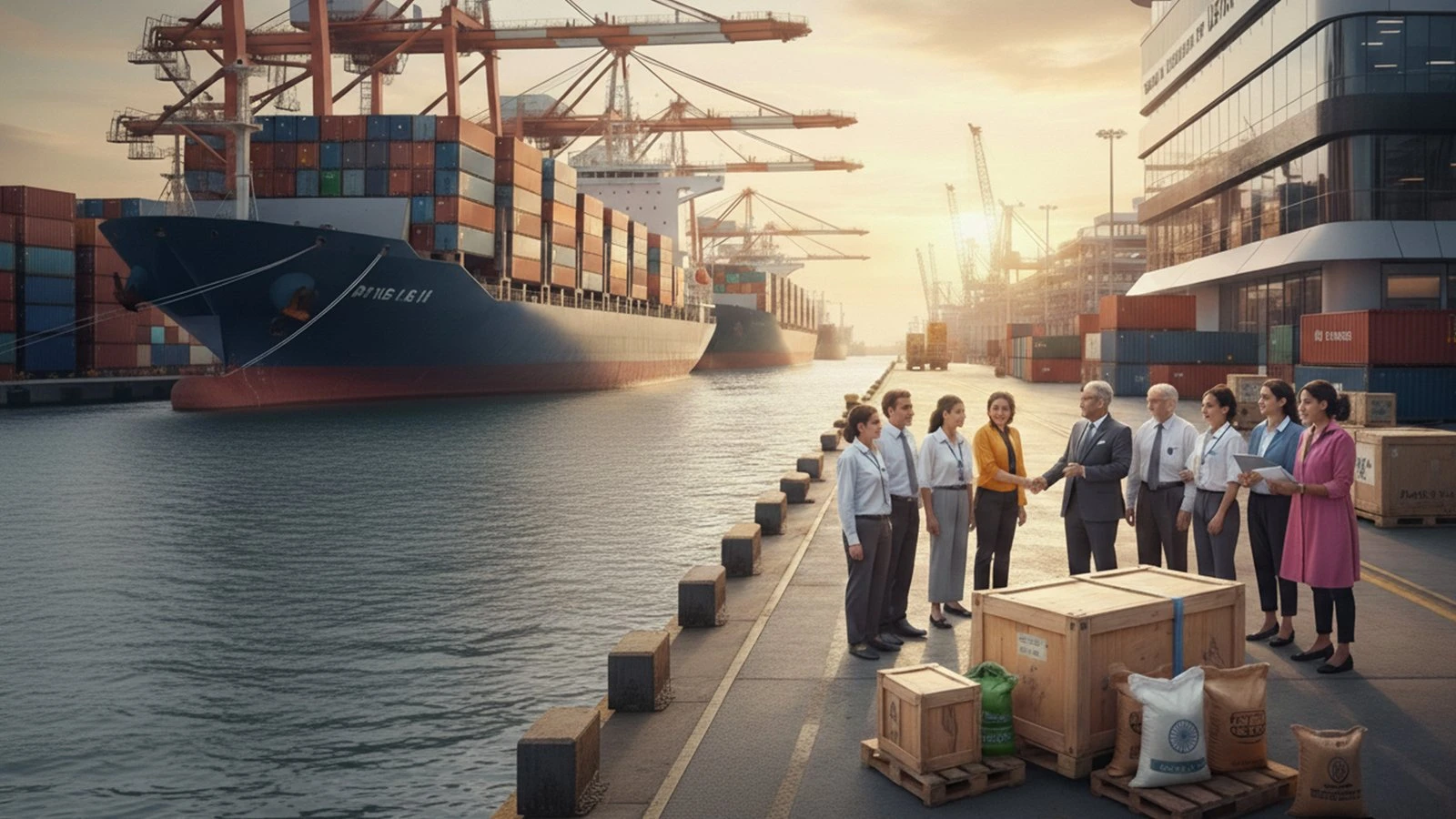
The signing of TEPA is not an isolated achievement it is part of India’s broader vision to emerge as a global economic powerhouse. By engaging with advanced economies through trade and cooperation, India is expanding its role in shaping the international economic order.
At the same time, initiatives like India Literacy Milestone 2025 ensure that the country’s human resources are ready to take full advantage of these opportunities. Together, these twin pillars education and trade form the foundation of India’s transformation into a knowledge-driven, innovation-led global leader.