Rising Border Crisis: Pakistan War After Kabul Strike Escalates Tensions

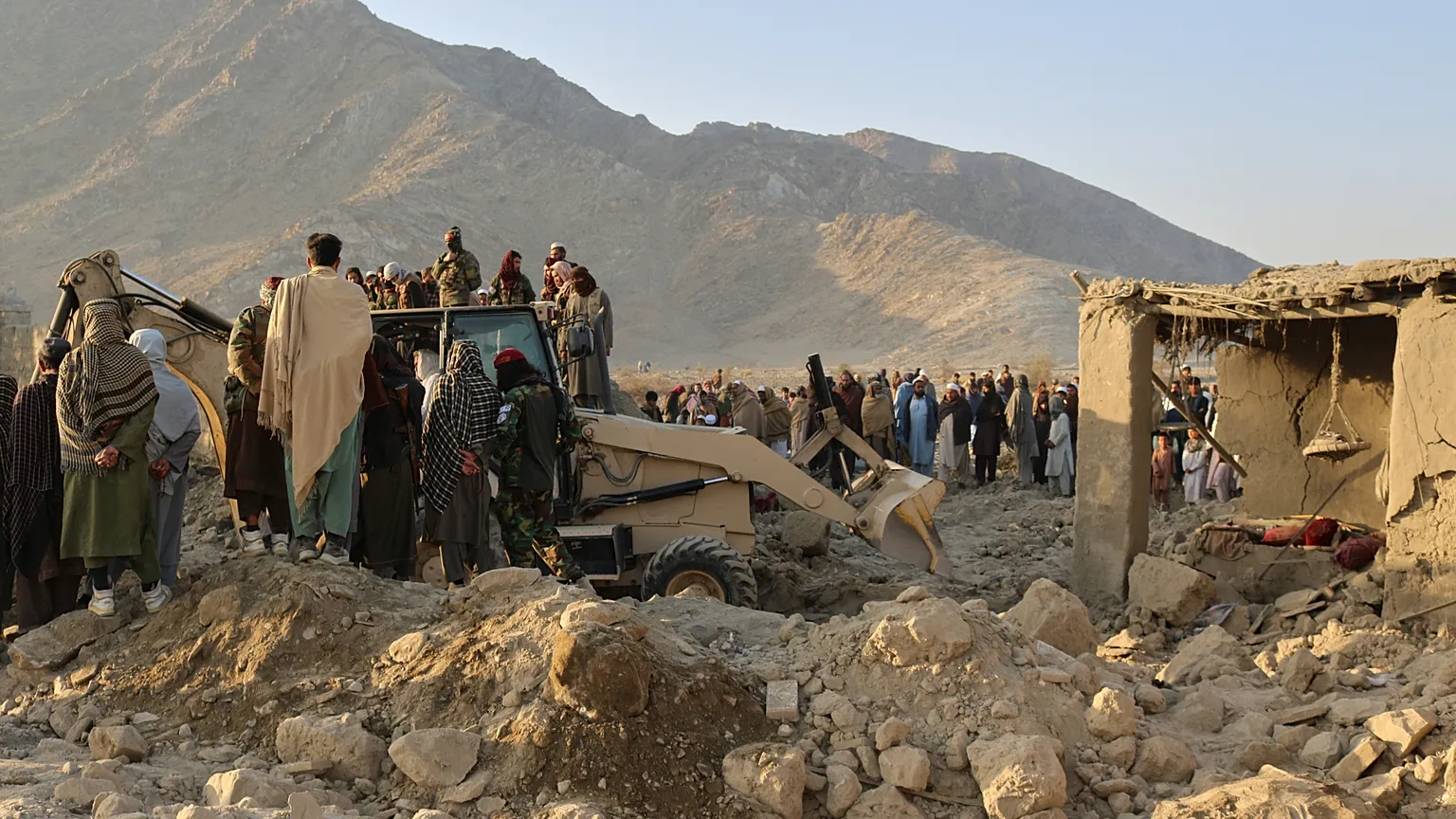
Tensions between Pakistan and Afghanistan have sharply increased following what many are calling the Pakistan War After Kabul Strike. The crisis began after Islamabad announced “open war” against the Afghan Taliban government. This declaration came after heavy cross-border clashes and a series of airstrikes that targeted key Afghan cities, including the capital.
Thank you for reading this post, don't forget to subscribe!The situation has raised serious concerns about regional peace and civilian safety along the already fragile border shared by the two countries.
Airstrikes on Kabul and Kandahar
Explosions were reported in Kabul, shocking residents early in the day. Afghan authorities confirmed that airstrikes also hit Kandahar and Paktia Province. Pakistan stated that its military operation, named Operation Ghazab lil-Haq, was aimed at Afghan military facilities. According to Islamabad, the strikes targeted brigade headquarters, corps command centers, and supply bases.
Pakistan described the action as a response to what it called unprovoked firing from Afghan forces across the border. Afghan officials strongly condemned the attacks. They called them violations of their sovereignty and said such actions break international law.
Residents in Kabul reported loud blasts and smoke rising from certain areas. Fear spread quickly, with many people staying indoors as security forces moved across the city.
Cross-Border Offensive and Casualty Claims
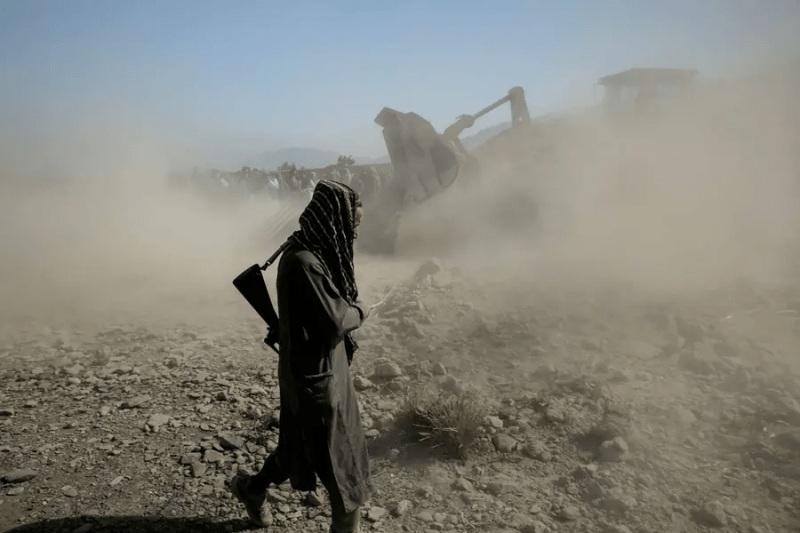
After the airstrikes, Afghan forces claimed they launched a retaliatory ground operation. Afghan officials said they captured several Pakistani border posts and killed 55 Pakistani soldiers. They also reported that eight Afghan soldiers were killed and 11 were injured during the clashes.
Pakistan rejected these claims. Islamabad said only two of its soldiers were killed and three injured. In response, Pakistan claimed that at least 133 Afghan fighters were killed and more than 200 were wounded during its military operation. It also reported destroying several Afghan military installations.
Heavy gunfire was exchanged near the strategic Torkham border crossing, an important route for trade and travel between the two countries. The area has long been a flashpoint during times of tension.
Civilian Impact and Border Disruptions
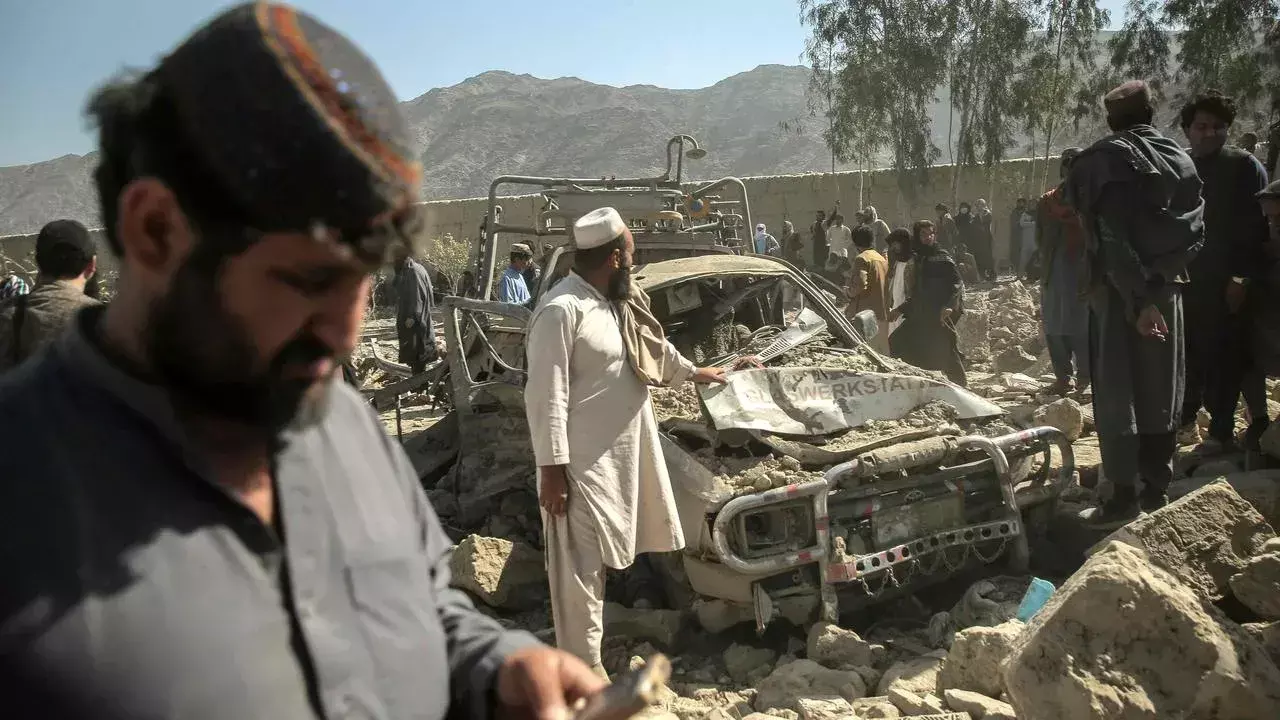
The Pakistan War After Kabul Strike has deeply affected civilians on both sides of the border. Afghan officials reported that a mortar shell struck a refugee camp near Torkham. Several returnees, including women, were injured in the blast. Authorities quickly began evacuating families to safer locations due to fears of more shelling.
On the Pakistani side, residents in border villages were also moved to secure areas. Schools were temporarily closed in some regions, and daily life was disrupted. Trade through Torkham, which plays a vital role in economic activity between the two countries, has slowed significantly due to security concerns.
Thousands of families living near the border are now facing uncertainty, worried about further escalation.
Background and Regional Concerns in Pakistan War After Kabul Strike
The border between Pakistan and Afghanistan is known as the Durand Line. It has long been disputed, with Kabul historically questioning its legitimacy. The recent clashes have added more strain to this sensitive issue.
Pakistan has often accused Afghanistan of providing safe haven to the Tehrik-i-Taliban Pakistan (TTP), a group responsible for attacks inside Pakistan. Afghanistan has denied these allegations, saying it does not support militant activities against any country.
The United Nations has urged both sides to show restraint and protect civilians. Diplomatic efforts, including past mediation attempts by Qatar, have tried to reduce tensions in previous conflicts. However, the current situation appears more serious and dangerous.
With both nations exchanging strong military responses and public statements, the risk of a prolonged conflict remains high. Observers fear that continued fighting could destabilize the wider South Asian region if peaceful dialogue does not resume soon.