Sea Eagle Nests Rise in North Kerala

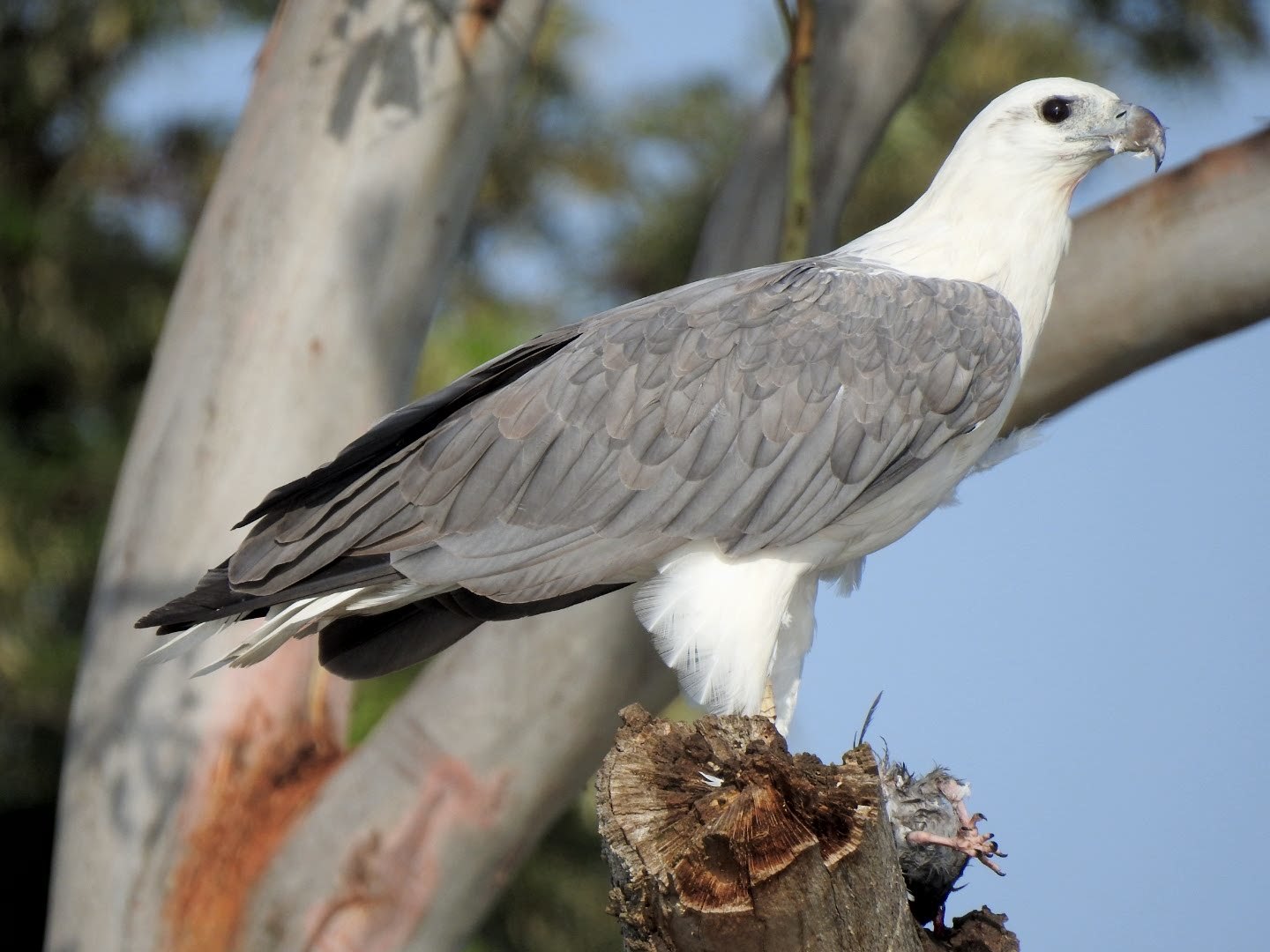
Sea Eagle Nests Kerala have shown a positive rise this year, bringing encouraging news for wildlife lovers and environmental groups in North Kerala. The latest annual nest monitoring survey has recorded 17 active nesting sites of the White-bellied Sea Eagle across the districts of Kannur and Kasaragod. This is an increase from 13 active nests recorded in 2024.
Thank you for reading this post, don't forget to subscribe!The survey was jointly conducted by the Malabar Awareness and Rescue Centre for Wildlife (MARC) and the Social Forestry Divisions of Kannur and Kasaragod. The findings show a small but meaningful improvement in the nesting numbers of this powerful coastal bird.
Survey Team and Field Work
The survey was led by Dr. Roshnath Ramesh from MARC. He worked closely with Rajeevan M., Assistant Conservator of Forests from the Kannur Social Forestry Division, and Jose Mathew, Assistant Conservator of Forests from the Kasaragod Social Forestry Division.
The team visited known nesting areas and searched for new sites. They carefully observed trees, checked whether nests were active, and spoke to local residents for information. Their work required patience and careful monitoring, especially during the breeding season.
Such yearly surveys help understand whether the bird population is growing, stable, or declining. They also help officials plan better protection methods.
Sea Eagle Nests Kerala: District-wise Distribution
Out of the 17 active nests found this season, 10 were located in Kasaragod district and seven in Kannur district.
All 10 nests in Kasaragod were old nesting sites that have been used for several years. In Kannur, four nests were newly recorded this year, while three were old nests reused by the birds.
Nearly 70% of the nests in Kasaragod were found inside temple compounds. Temples often protect old and tall trees, making them safe nesting spots. These peaceful surroundings reduce disturbance and help the birds raise their young.
In Kannur, nests were found in different places including public lands, private properties, and coastal areas. For the first time, a nest was also recorded on a telephone tower at Kattampally. This shows that the birds are adapting to modern changes in their surroundings as natural habitats shrink.
Nesting Trees and Habitat Choice
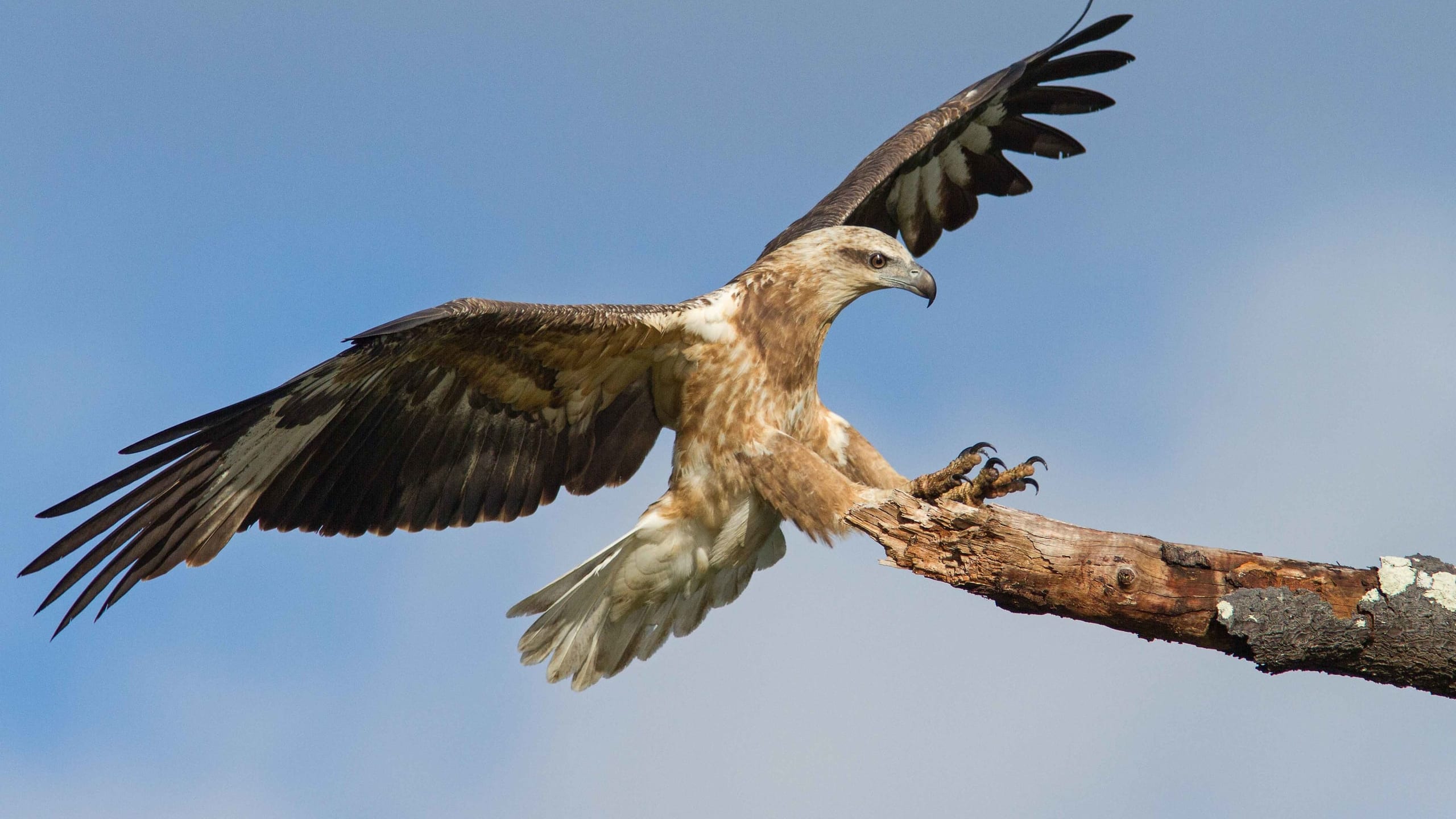
The White-bellied Sea Eagle prefers large, mature trees that can support its heavy nest. The survey found nesting on the following trees:
- Ficus religiosa – four nests
- Mangifera indica – six nests
- Alstonia scholaris – two nests
- Casuarina species – three nests
These trees are tall and strong, with wide branches suitable for building large nests. The birds usually choose trees near water bodies such as rivers, backwaters, and coastal areas because fish is their main food.
Officials stressed that protecting tall trees in populated and coastal areas is very important. If these trees are cut down, the birds may lose their nesting places.
Sea Eagle Nests Kerala During the Breeding Season
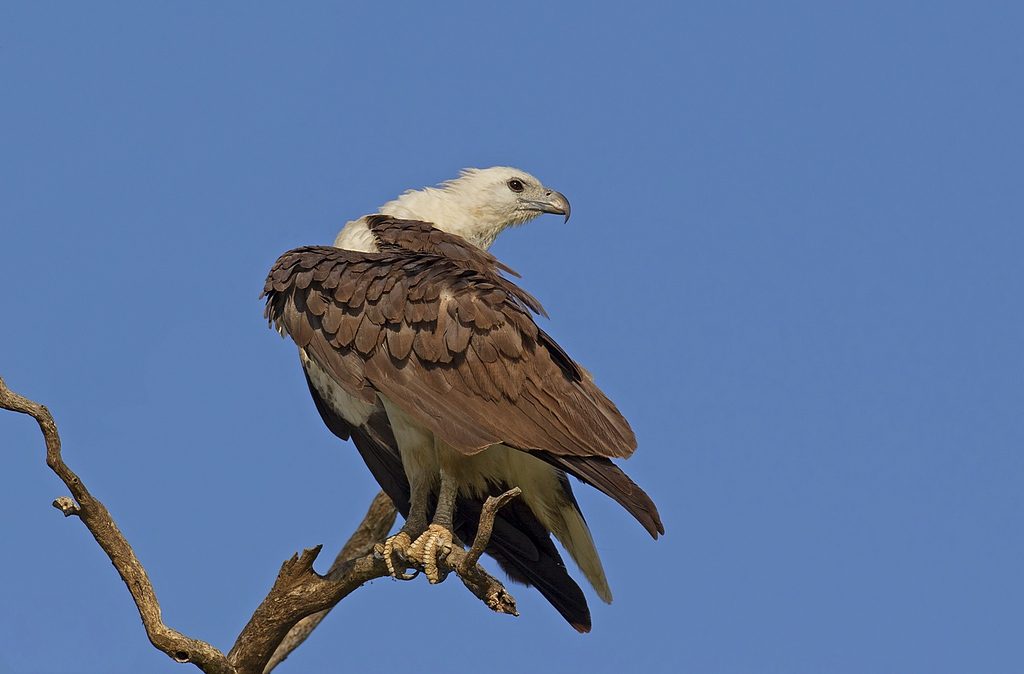
The White-bellied Sea Eagle breeds between January and March. During this period, the birds lay eggs and carefully protect their nests. Both male and female birds share responsibilities in feeding and guarding the chicks.
One special feature of this species is that it reuses the same nest every year. Before the breeding season begins, the birds repair and strengthen the old nest by adding fresh sticks and branches. Over time, the nest becomes very large and strong.
Because the birds depend on the same nesting trees year after year, cutting these trees can seriously affect their survival.
Past Records and Current Situation
Although the number of nests has increased from 13 to 17 this year, the population has not fully recovered when compared to earlier records. In 1996, about 25 active nesting sites were documented in the region.
This shows that the current numbers are still lower than historical levels. Rapid urban growth, road construction, and tree cutting over the years have reduced safe nesting areas.
However, the slight increase this year gives hope that conservation efforts are slowly making a difference.
Sea Eagle Nests Kerala and Coastal Ecosystem Health
The White-bellied Sea Eagle is an apex predator in coastal ecosystems. It mainly feeds on fish and small animals, helping maintain balance in the food chain. When such birds are present in healthy numbers, it often means that the marine and coastal environment is in good condition.
North Kerala’s coastal areas are currently facing environmental challenges. Climate change is causing rising sea levels and changing weather patterns. Plastic pollution in water bodies affects fish and marine life. Coastal erosion is also becoming a serious issue.
Protecting birds like the Sea Eagle also means protecting the entire coastal ecosystem.
Human Coexistence and Public Support
The survey showed that many nests are located in temple compounds and populated areas. This proves that the birds can live close to humans if their nesting trees are not disturbed.
Dr. Ramesh pointed out that cutting large trees is one of the biggest threats to the species. Once a nesting tree is removed, it is difficult for the birds to find another suitable tree nearby.
The survey team has appealed to the public to inform the Forest Department or MARC if they notice new nesting sites. Community involvement can greatly strengthen conservation efforts.
Local residents, temple authorities, and property owners can help by protecting old trees and avoiding disturbance during the breeding season.
A Sign of Hope for North Kerala
The increase to 17 active nests in Kannur and Kasaragod is a positive step for wildlife conservation in North Kerala. The discovery of new nests, including one on a telephone tower, shows the adaptability of the species.
At the same time, the lower numbers compared to the past remind us that continued efforts are needed. Protecting tall trees, reducing habitat destruction, and raising awareness among the public are important steps.
The sight of the White-bellied Sea Eagle flying over Kerala’s coastline remains a symbol of strength and natural beauty. With continued support from officials and the community, the future of Sea Eagle nests in Kerala can remain secure and hopeful.